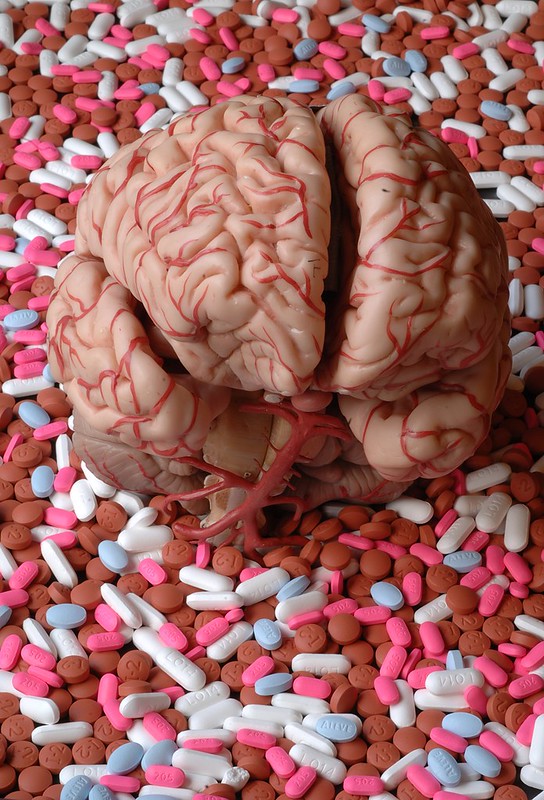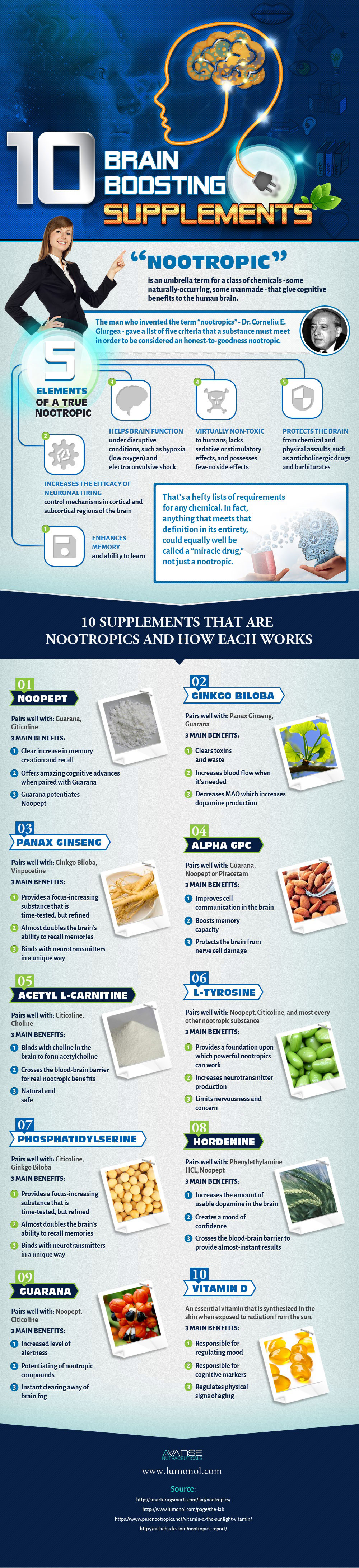
In a time where students and working adults alike are turning to prescription drugs to get a boost in productivity and focus, the potential side effects and drawbacks of abusing these drugs are certainly becoming an issue after the fact. Luckily, there are supplements known as “nootropics” that either exist naturally or are man-made to provide mind-sharpening benefits without the sometimes extreme side effects. In the accompanying infographic, we’ve outlined the particular requirements necessary to classify a substance as a nootropic and listed some of the more commonly used supplements available to consumers looking for a more beneficial brain boost minus the drawbacks associated with some prescription drugs.
Recent Posts

Why Certain Smells Bring Back Memories You Thought You Forgot
One familiar scent can bring back a moment you haven't thought about in decades. Discover how smell and memory are connected—and why the right cue can make an old experience …
Why You Forget Instructions Seconds After Hearing Them
You understood every word. But a moment later, the instructions are gone. Discover why following verbal directions can strain working memory—and what can make them easier to remember.
Why Embarrassing Memories Stick but Important Details Fade
You can remember an awkward moment from decades ago, yet forget an important detail from yesterday. Discover why emotional memories can feel so vivid—and what that reveals about everyday recall.
Why You Recognize Someone but Can’t Remember Where You Know Them From
Ever recognize someone's face but can't remember where you met them? Discover why familiarity and contextual memory work differently, and learn three simple ways to make remembering people easier.
Learning by Teaching: Why Explaining Something Helps You Remember It
Learning by teaching can help you understand and remember information more effectively. Discover the science behind this powerful learning technique and try a simple two-minute teach-back method to improve comprehension, …
Why Drawing a Simple Sketch Can Help You Remember More
A simple sketch could be more useful than repeatedly writing something down. Learn how the drawing effect works, what research found in older adults, and how to try it yourself.
Why You Remember the First and Last Things—but Forget the Middle
Ever remember the beginning and end of a list but lose the middle? The serial-position effect may help explain why.
Why Doing Nothing After Learning May Help You Remember More
What you do immediately after learning may matter. Research suggests that a few minutes of quiet wakeful rest can sometimes help newly learned information stick.
Why New Information Sticks Better When You Connect It to What You Already Know
New information does not enter an empty brain. Connecting an unfamiliar idea to something you already understand can give your memory more ways to find it later.
Why Your Brain Can Feel Slower With Age—Even When Your Thinking Is Still Sharp
Taking a little longer to find a word, process information, or switch between tasks doesn't necessarily mean you're becoming less capable. Processing speed changes differently from knowledge, judgment, and experience.