From Function to Cognitive Enhancement: Facts and Trivia About the Human Brain

Cognitive EnhancementThe human brain didn’t not launch the multibillion industry of cognitive enhancement for nothing. It’s a cool and commanding organ that serves as the command center for the human nervous system, receiving signals from sensory organs as well as relays information to the muscles.

Here are some facts and trivia about this amazing organ of the body — pretty much all related to why brain enhancement is an increasingly popular endeavor not just for the benefit of the elderly but also people across age groups wanting to “supercharge” their brain and become limitless. 

Weight of the Human Brain

Have you ever wondered how much a human brain weighs? On average, it’s about 3 pounds or 1.4 kilograms heavy, making up just 2% of total body weight in humans. That’s about as heavy as a half-gallon of milk. 

Male brains tend to be around 10% bigger than female brains, with a volume of almost 78 cubic inches compared to the female’s 69 cubic inches. 

Of its total weight, the brain’s cerebrum, its main component found in the front of the skull, makes up about 85%. 

Dissecting the Human Brain

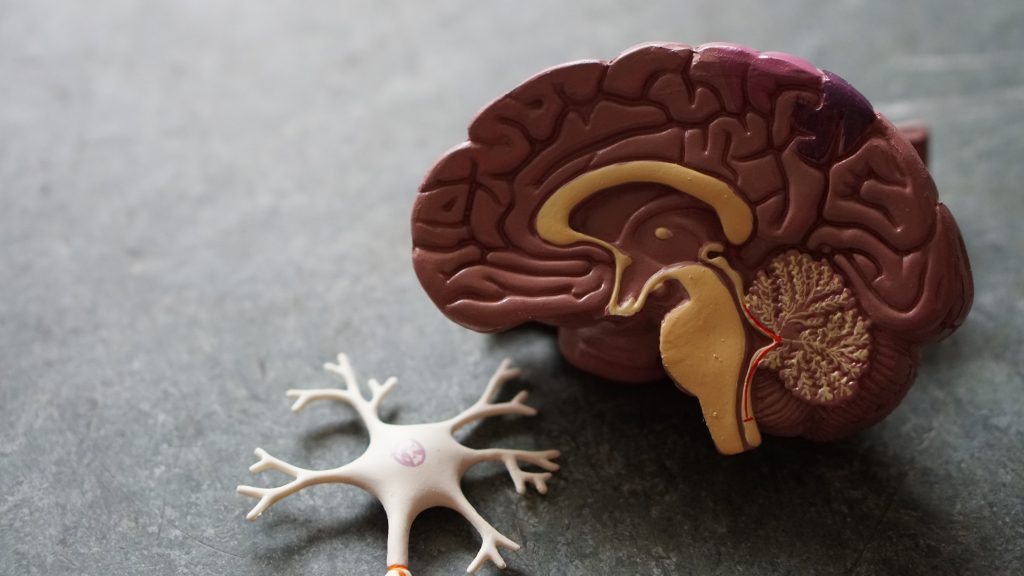
The cerebrum is divided into two hemispheres and each consists of four lobes, namely the frontal, parietal, temporal, and occipital. The cortex is the cerebrum’s rippled surface; underneath the cerebrum is the brain and behind it lies the cerebellum. 

When it comes to cognitive functions, the frontal lobe holds a lot of responsibility. This includes forming thoughts, planning, and controlling voluntary movements. Memories and emotions are generated in the temporal lobe, while the various senses’ inputs are integrated in the parietal lobe, which is also crucial for navigation and spatial orientation. The occipital lobe is where visual processing happens. 

The brainstem is important for various functions, including the following:

  • Relaying information between body and brain
  • Supplying most of the cranial nerves to the head and face
  • Helping control the heart as well as breathing
  • Doing critical functions to control levels of consciousness, such as wake and sleep cycles

Your brain takes up 20% of the oxygen and blood in your entire system. 

More Interesting Facts About the Organ

In the first year of life, your brain triples in size and fully matures once you reach 25 years of age. Brain development starts from the back of the brain, working its way to the front. The frontal lobes are then the last to strengthen and structure connections. 

Sixty percent of the brain is all fat, too, making it the fattiest organ in the body. These fatty acids are vital to brain performance, which makes it a must to nourish it with healthy and brain-boosting nutrients. 

It’s interesting to note that the belief that humans use merely 10% of their brain is a myth; we actually use all of the brain at all times. Similarly, the brain’s storage capacity is deemed virtually unlimited. According to research, the human brain consists of some 86 billion neurons, with each of them forming connections to other neurons (can add up to 1,000 trillion connections)! Eventually these neurons combine and fortify storage power in the brain.

Did you also know that your brain is unable to multitask? Instead, what it does is switch in between tasks, which then increases the likelihood of errors and things taking longer to complete. Believe neurologists when they say your brain is always active! 

Your brain can produce around 23 watts of power, which is enough to power a lightbulb. Given that much power, your brain needs rest in the form of adequate sleep, which helps maintain pathways in the brain. When you are sleep-deprived, the buildup of a protein in the brain that’s been linked to Alzheimer’s increases. 

In ancient Egypt, people would usually remove the brains through the nose during mummification. Speaking of aging and death, the human brain starts to lose some memory power as well as other cognitive skills by as early as your late 20s. The human brain also gets smaller as you get older, typically occurring sometime after middle age. 

Final Note and Takeaways

In conclusion, there is essentially a lot that we do not completely know or understand about the brain to this day. But modern humans are learning more about the brain each day, including its ability for potent cognitive capacity and enhancement. 

Not unlike other parts of the body, the brain needs consistent, ongoing TLC: a healthy diet, regular exercise, the right amount and quality of sleep, and added reinforcement and power in the form of prudent supplementation with brain-friendly nutrients. 

How to Overcome Your Social Anxiety

How to Overcome Your Social Anxiety

Key Points:

  • Cognitive behavioral therapy has been shown to be an effective form of treatment for social anxiety.
  • Among other steps, CBT prescribes challenging anxious thoughts, and specifically tracking whether one’s catastrophic predictions about social encounters actually hold true in real life, as a way of realizing that they generally don’t.
  • After an encounter, socially anxious people should congratulate themselves for facing their fears rather than criticizing their performance in post-mortems.

If you find yourself inhibited and anxious in a variety of social situations (speaking in front of a group, meeting new people, using public lockers or restrooms, eating in public) and you fear that people will see your anxiety and that you will feel humiliated, then you may suffer from Social Anxiety Disorder. Many people with this problem will choose to avoid situations where they anticipate being anxious or they may use alcohol or drugs to self-medicate before entering these situations. Social anxiety is associated with increased risk for alcohol abuse, depression, loneliness, decreased occupational advancement, and the increased likelihood of remaining single. You can complete the Leibowitz Social Anxiety Scale and find out if you have symptoms that might indicate social anxiety.

The good news is that you can do something about it.

Cognitive behavioral therapists have made great advances for a drug-free approach to dealing with these problems. There is now considerable evidence that CBT (cognitive behavioral therapy) is an effective treatment for social anxiety . The therapy focuses on your behavior and what you are thinking. Let’s take a closer look at how this approach can help.

What Are You Avoiding?

The behavioral problem for people with social anxiety is the tendency to avoid anxiety-provoking situations. When a socially anxious individual anticipates going to a party, she becomes quite anxious—but, then, decides not to go and the anxiety immediately decreases. This reduction of anxiety with the decision to avoid the party (or to leave a party) reinforces avoidance (or escape). This simple “reward for avoidance” maintains the fear of negative social evaluation even when the person does not experience humiliation. For example, if I feel anxious thinking about approaching someone and then I decide to avoid talking with them, my anxiety immediately drops. This immediate decrease in anxiety teaches me, “In order to feel less anxious, avoid interacting with strangers.”

A key element of CBT is to help the individual practice approaching social situations and staying in them in order to learn that nothing really bad is going to happen and that their anxiety will subside. You also learn that you can do it and the willingness simply to confront your fears is empowering. You begin to realize, “I am the kind of person who can actually do this kind of thing.” The first step in helping people with social anxiety is to identify the situations that you are avoiding. You can make a list of the kinds of situations that you feel anxious in or avoid. For example, one person identified using a public restroom (where he was worried that people would observe him), meeting people at a party, speaking up at a meeting, and talking with a woman for the first time. What are the situations that provoke your anxiety? What are you likely to avoid? Make a list.

Set Up a Hierarchy of Fear

For each situation, you can identify how the situation could be rated in terms of levels of anxiety that you would experience. You can rate each anticipated behavior from 0 to 10 in terms of the level of anxiety that you might expect. 0 would correspond to no anxiety and 10 would be a panic attack. For example, the young man with the fear of meeting people at a party had the following hierarchy of fear, from least to highest: Thinking of going to the party (3), going to the party (5), walking into the room (6), seeing people in the room (6), deciding to start a conversation (8), talking with an attractive woman (9). It’s important to write down your predictions so that you can find out how anxious you really are when you go. Sometimes people find that they are not as anxious as they anticipated they would be.

Test Your Prediction

We often forget the fact that we cope better than we thought we would. This is a great opportunity to test out your specific predictions. As I mentioned above, you can write out how anxious you think you will be for each thing that you do? What is the level of anxiety that you predict? How long will you remain that anxious? Specifically, what do you predict will happen? This is how you can test out your catastrophic fortune-telling.

For example, a young man who was socially anxious predicted that he would have a level of anxiety at 9 for the entire duration of speaking with a woman at a party. He predicted that his mind would go blank and that he would be so anxious that he would have to leave. As it turned out, he was very anxious when he initiated a conversation, but once he was into the discussion his anxiety subsided to 3. He did not leave and, in fact, he had the impression that the woman he was talking to actually liked him. So be clear about what you are predicting so that you can find out if you are anticipating more than what actually happens. Keep an on-going record of your predictions.

Identify Your Safety Behaviors and Eliminate Them

Many people who are anxious engage in superstitious behaviors that they think make them safer or less likely to humiliate themselves. These safety behaviors include self-medicating with alcohol or drugs, holding yourself very stiffly, avoiding eye contact, holding a glass tightly saw that people won’t see your hands shake, wiping your hands so that people won’t notice you are sweating, rehearsing verbatim exactly what you will say, and talking very fast. The problem with safety behaviors is that they are like the training wheels on a bicycle—they make you think that the only way you can get through these experiences is by using the training wheels. The more you can give up these behaviors the more powerful your experiences will be—“I did it without a drink” or “I did it without rehearsing everything.”

Challenge Your Anxious Thoughts

You are often thinking about how badly things will go. For example, you predict that you will fall apart and make a fool of yourself. You predict that everyone will notice that you are sweating–and that they will all talk about it. You think it is a catastrophe that your mind will go blank.

You can challenge these thoughts by asking yourself the following: “Have you really made a fool of yourself or are you just predicting the same thing over and over?” Is it possible that people don’t notice your sweating, because they are thinking about what they are going to say?” “What is the evidence that people talk about your anxiety? How do you know?” “Why would anyone really care if you are feeling anxious? How is it relevant to them?” “Have you ever noticed when someone else said, ‘I forgot what I was going to say’? Did anything terrible happen?” Argue back at these negative thoughts.

Practice Doing What Makes You Anxious

Once you have identified the situations that make you anxious and you have rated the hierarchy from least to most anxious, you are ready to confront your fears. We find it helpful to start with “imagining” each step in the hierarchy. So, imagine that you are thinking of going to the party and stay with that image until your anxiety drops. Then move on to imagining the next step in the hierarchy. You can also remind yourself of your rational responses to your negative thoughts. For example, when you imagine walking into the party and the thought pops up, “Everyone can see I am anxious,” you can remind yourself that people have a very hard time noticing your internal feelings and that they are focusing on their own concerns (perhaps their own anxiety). Keep imagining and let the anxiety flow out and away.

Then, you can start with “exposure”—practicing what you fear. Don’t take that extra drink: Instead, go to the party, walk in, notice that your anxiety might be there, acknowledge it, and then say, “I am going to do this even if I am anxious.” It’s OK to be anxious when you do the exposure—that’s the point. You can learn that you can actually do things when you are anxious and there is no catastrophe.

I have been saying these things to people for years, and some reply, “Yeah, but what if my mind goes blank?” So, a number of years ago I decided to fake my mind going blank. I was giving a workshop on anxiety and I decided to make-believe my mind went blank and I announced, “My mind just went blank. What was I saying?” As you can imagine, no one seemed to care. Why should they? What is so bad for them if your mind goes blank?

In fact, it might be helpful to even exaggerate your anxious symptoms. For example, if you are afraid that people will notice that you are sweating then you can douse your shirt with water and go right in. So, people will notice you are sweating. Big deal. Almost every day when it is warm, we notice people who are sweating. Why do we forget it? Because it is irrelevant.

Practice Self-Reward, Not Post-Mortem

Socially anxious people often review their “performance” and criticize everything that they did. This “post-mortem” only adds to more anxiety about the next time. You can replace this post-mortem with a self-rewarding congratulation for facing your fears, doing what is difficult to do, and taking your life back one step at a time. Who deserves more congratulation than you for trying hard to confront what is difficult? Just trying, just going, just staying in, and just tolerating the discomfort are reasons for a reward. Each time you face your fear, you win and fear loses.

Robert L. Leahy Ph.D. , How to Overcome Your Social Anxiety, October 20, 2014, Source: https://www.psychologytoday.com/us/blog/anxiety-files/201410/how-overcome-your-social-anxiety.

The Link Between Social Anxiety Disorder and Depression

The Link Between Social Anxiety Disorder and Depression

Can depression cause social anxiety disorder? Or is the reverse true, and being socially anxious causes you to become depressed? Given the close relationship between these disorders, it is natural to ask questions about why you feel depressed if you are socially anxious, or why you may become socially anxious if you are depressed.

Feelings of anxiety and worry about being around others can evolve into feeling down in general, particularly if you isolate yourself or stop participating in activities. At the same time, certain symptoms of depression can also make you fear being around people for a myriad of reasons.

Social Anxiety and Depression

Research shows that there is a strong relationship between having social anxiety disorder (SAD) and developing depression later in life.

The generalized type of social anxiety disorder is also associated with an increased co-occurrence with major depressive disorder, panic disorder, post-traumatic stress disorder, and alcohol use disorders among others.

Other Associated Risks

If you have both SAD and depression, a 2001 study (in Primary Care Companion Journal of Clinical Psychiatry: Psychotherapy Casebook) shows that you are also at risk for a number of other related problems due to this combination.1

  • an increased risk of problems with alcohol
  • impairments in social and occupational functioning
  • lesser response to treatment
  • risk of suicide

In addition, if you have been diagnosed with social anxiety disorder and also depression, you are more likely to have more severe and chronic symptoms.

SAD and Later Depression

According to a 2001 study in the Archives of General Psychiatry, although developing social anxiety disorder at an early age has been linked to developing depression later on, not everyone who has SAD becomes depressed.2

When social anxiety disorder appears at a young age, appropriate treatment may reduce the risk of developing depression at a later age.

Social Withdrawal Differs Between Social Anxiety Disorder and Depression

Imagine a young college student who wants to make friends and go to parties but fears that she will embarrass herself in front of others. As a result, she stays in her dorm room night after night, wishing she could be a part of the group.

Contrast this with the student who avoids social contact because it’s just not any fun to her–the thought of going to parties or getting together with a friend holds no promise of enjoyment.

Although both SAD and depression may involve social withdrawal, the cause of the withdrawal is different.

  • People with social anxiety disorder withdraw out of fear of negative evaluation by others.
  • People with depression withdraw due to a lack of enjoyment.

People with SAD expect that they could enjoy themselves if they could somehow interact appropriately with others, whereas those with depression don’t ever expect to enjoy themselves.


Treatment of SAD and Depression

Depression is often what leads people to seek help, even though social anxiety disorder may be the underlying problem. Usually, people who have SAD will not speak to anyone about the problems that they face and often do not realize that they have a treatable illness. As a result, most people with social anxiety disorder do not usually receive treatment unless the disorder occurs alongside another condition.

Unless a medical professional is trained to look for secondary disorders, SAD may continue to go misdiagnosed. Unfortunately, treating depression without addressing the underlying social anxiety disorder can be ineffective.

Although many of the treatments recommended for depression are also effective in treating SAD, such as selective serotonin reuptake inhibitors (SSRIs) and cognitive-behavioral therapy (CBT), treatment must still be tailored to the specific disorder.

A Word From Verywel

If you experience both SAD and depression, your doctor or mental health professional will devise a treatment plan designed to address symptoms of both disorders.

If you’ve not yet sought a diagnosis for symptoms of anxiety or depression that you are experiencing, it is important to make an appointment. Earlier diagnosis and treatment is related to better outcomes in terms of depression resulting after social anxiety disorder.

Arlin Cuncic , The Link Between Social Anxiety Disorder and Depression, March 25, 2020, Source: https://www.verywellmind.com/social-anxiety-and-depression-go-hand-in-hand-3024695.

What Is Social Anxiety?

In the age of the digital hermit, a psychologist explains what it means to avoid other people—and what to do about it.

By Olga Khazan

What Is Social Anxiety?

People today might not actually be avoiding social interaction any more than they did in past decades, but they’re certainly more vocal about it. The rise of digital communication seems to be spawning a nation of indoor cats, all humble-bragging about how introverted they are and ordering their rides and groceries without ever talking to a human.

Sometimes reclusiveness can be a sign of something more serious, though. Social anxiety is one of the most common mental illnesses, but it’s still poorly understood outside of scientific circles. The good news is that it’s highly treatable, according to Stefan G. Hofmann, the director of the Social Anxiety Program at Boston University.

I recently talked with Hofmann about how social anxiety works and what people who feel socially anxious can do about it. An edited transcript of our conversation follows.

Olga Khazan: Why do people feel socially anxious when they go to parties, networking events, things like that?

Stefan Hofmann: People are social animals, and we have a strong desire to be part of a group and to be accepted by the group. Social anxiety is a result of the fear of a possibility that we will not be accepted by our peers. It’s the fear of negative evaluation by others, and that is [part of] a very fundamental, biological need to be liked. That’s why we have social anxiety.

Khazan: Does everyone get socially anxious, or just certain people?

Hofmann: Well, it would be very abnormal not to be socially anxious. Social anxiety is a very normal stage that children go through, [along with] separation anxiety and stranger anxiety. These are actually very normal stages, and children who do not go through these stages, doctors do worry about those kids.

Later on, we obviously will still be uncomfortable in novel social situations, it’s quite normal. It becomes, obviously, a problem if we are too distressed. If it interferes with our lives and bothers us too much, then it becomes a problem, and then we would call it social anxiety disorder.

Khazan: How is social anxiety different from generalized anxiety? Is it more common than regular anxiety, or less severe? Where would you place social anxiety on the anxiety map?


He would say, “Hi, I like your face. Would you go out with me?” And she would say, “No, go away, you freak.” And that would be perfect.


Hofmann: In psychiatry we have a group of what we call anxiety disorders, and that includes social anxiety, generalized anxiety disorder, panic disorder, agoraphobia, specific phobias, and the like. Social anxiety disorder is the most common form among all the anxiety disorders. It actually is also ranked, in comparison to all the other mental disorders, as one of the most common disorders, next only to depression and substance use disorder. Thirteen out of 100 people meet criteria for social anxiety disorder [at some point in life].

Khazan: Is there any overlap between people who are generally anxious and people who have social anxiety?

Hofmann: Yeah, all the anxiety disorders are highly comorbid. Comorbidity means the coexistence of two or more problems in one individual. The most common problem for people with social anxiety disorder is actually depression. Then other forms of anxiety disorder, in particular generalized anxiety disorder and panic disorder. But this is true for almost all disorders—they are highly overlapping with each other. Which, by the way, causes problem for the psychiatric diagnosis, because we wouldn’t assume that there’s such a high overlap, but it does exist.

Khazan: How do you know if your level of social anxiety is considered disordered?

Hofmann: The definition of a mental disorder is that it causes either significant distress, and/or significant interference in one’s life. So you might be able to perform normally during daily life, but you’re terribly distressed around these social situations, such as meeting people, giving speeches, or doing things in front of people. It causes you such a level of distress that causes you to want to get help.

Or, there are people who kind of find their way around these problems, and they live lives that are fairly isolated. They might not marry, they might have very few friends, they might not go out for parties. In other words, they might not feel much distress because they’re living isolated lives, but at the same time they would like to be social. So they feel still an urgency to do something about it because they’re not loners, but they just can’t be around people because it’s so distressing. Some people use substances like alcohol to medicate themselves.

Khazan: When you say they feel lots of distress, what kinds of things might they be feeling?

Hofmann: Often people will report panic attacks, anxiety attacks. They’ll report being struck by anxiety when they have to stand up in front of a group, that they show such strong anxiety that they can’t speak. Or they might escape out of the situation, run away, don’t go into interview situations, and the like.

Again, they might be missing out on many opportunities in life. They might not get married because not only are they scared of dating someone, but also going to their own wedding, etcetera. These are not just shy people—social anxiety disorder is not the same as shyness. People with social anxiety disorder have a real, significant problem that interferes with their lives.

Khazan: Has there been a rise in social anxiety, with social media and people interacting more through their computers?

Hofmann: It’s impossible to tell, because the definition of social anxiety disorder changes, and depending on how you define it, you’ll get different rates of prevalence.

We do know, however, that there are interesting differences between cultures, which tells you a little bit about how society also shapes and influences that. We know that [some] Asian cultures, such as Japan and China, report social anxiety disorder less often. In more collectivist cultures, where the individual is not in the center, social anxiety disorder is less of a problem. In individualistic cultures, where it’s important that you are your own, unique person, in those cases social anxiety becomes more of a problem. So Western cultures report the higher prevalence rates of social anxiety disorder. Even within the U.S., Asians report lower rates, whites report the highest rates, and Hispanics and African Americans are in between. So that has to do with the setting, the cultural background, family relationships, and the like.

Khazan: What do patients with social anxiety disorder say when they describe how they feel, say, at a networking event?

Hofmann: Initially, they will dread the event, going there, they will worry excessively about the upcoming social event. They will be predicting that the worst thing will come true. And they will be extremely worried for a long period of time. Once you bring them into the situation, when they have to face whatever social challenge there is, they will then often report that they have no control over their anxiety. They believe that a mishap would have disastrous, long-lasting, irreversible consequences. They will report that they are not in control of their body, of their anxiety response, that others will see how anxious they are, and then they will try to avoid, to get out of the situation and escape.

Sometimes they try to use strategies that are more subtle, such as holding tight on a glass while they talk to someone so people don’t see them shake and tremble. They will maybe stare at the ground to avoid eye contact.

After the event, they will often engage in post-event rumination. Even in ambiguous situations that weren’t that bad, they will interpret them in a negative way, and identify weaknesses that they showed. This establishes a vicious cycle, and the next time they have to go into a similar situation, they expect that things will be even worse.

Khazan: What are some strategies that help alleviate symptoms or combat social anxiety when it starts creeping in?

Hofmann: What needs to happen is that people should face their anxiety. What we do is called cognitive behavioral therapy, a non-medication option which is more effective in the long term than medication treatment. You try to identify what kinds of thoughts people have in these situations, what sort of drives the anxiety.

Then you gradually challenge these maladaptive thinking patterns by asking people to engage in what we would call exposure practices, where they expose themselves to these situations repeatedly and for a long period of time so that they can realize that nothing bad is happing.

It is very effective. We have a response rate of at least 75 percent. Alternative treatments to CBT are medication—primarily with SSRIs.

Khazan: So what are some of the situations that you might send someone into? Like, “go give a speech?”

Hofmann: Initially, we use speaking in front of the rest of the group. In the seventh or eighth session, we go on to do more individualized exposure treatments, constructing something that we would call a “social mishap” exercise. We expose them to their worst-case scenario. For example, if someone is not engaging in any dating behaviors because they are concerned about being rejected, we would ask them to go to a restaurant and ask every woman at the table for her number. And obviously, he would get rejected a lot, and that’s the purpose of it.

Khazan: That’s crazy! That sounds so intense. What do they say to the women?

Hofmann: We script it very clearly. We say, you’re going to go in there now, and say the following: “Hi, I like your face. Would you like to go out with me? Would you like to give me your number?” And she would obviously say, “No, go away, you freak,” or something, and that would be desirable. That would be perfect.

Or other examples might be, inconveniencing people, so let’s say go to a coffee shop and you spill your coffee and you say, “I’d like to have a new one.” Or you go to a book store and ask for a book on the joy of sex. You do something that is over the top that nobody likes to do, that violates their personal social norms and engages them in re-evaluating their maladaptive beliefs. And it’s very effective. It’s very successful. People speak to this treatment, they love it.

Olga Khazan, What Is Social Anxiety?, October 22, 2015, Source: https://www.theatlantic.com/health/archive/2015/10/what-is-social-anxiety/411556/.
Will Future Humans Have Microchips in Their Brains?

Will Future Humans Have Microchips in Their Brains?Humans are quick to make remarkable technological advancements that change society and multiple aspects of it. The common theme: making machines more human. How about when the workplace is aimed to be more efficient, and therefore make humans more robot-like in their speed and actions?

Recent Developments to Watch

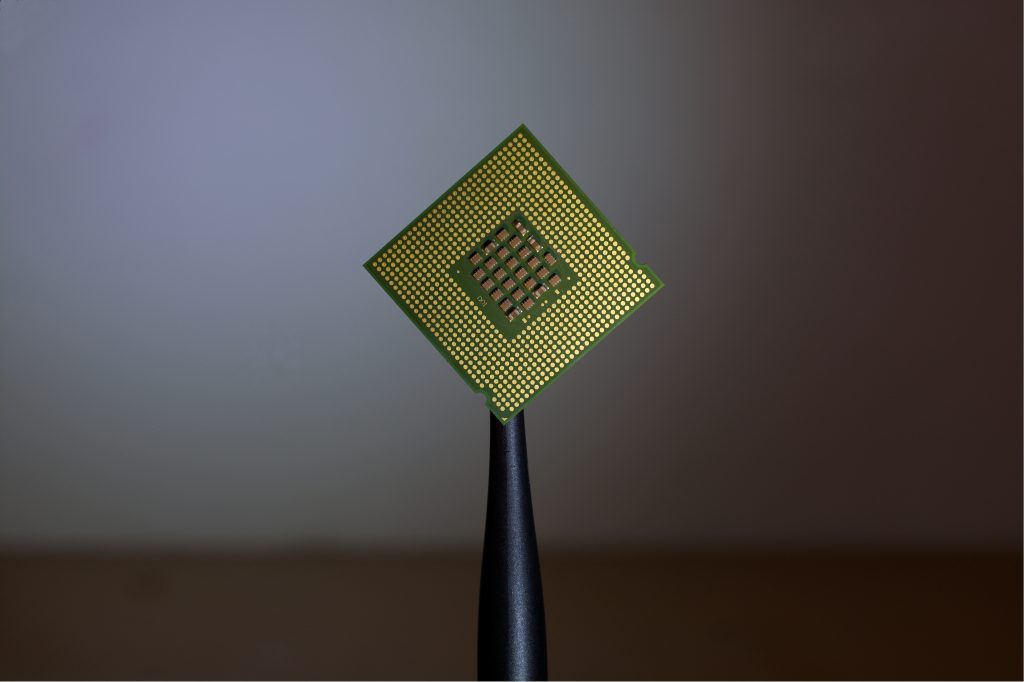
Elon Musk recently unveiled Getrude, a pig with a coin-sized computer chip in her brain. This reflects his ambitions for a working brain-to-machine interface, where the device lets Musk track Gertrude’s neural activity while eating and sniffing straw.

This is how it works: the processor in the pig’s brain sends wireless signals, which then indicate neural action in the snout when hunting for food. In development is a device that has a tiny probe with over 3,000 electrodes attached to flexible threads, which are thinner than human hair and can track 1,000 brain neurons’ activity. Musk’s company will then decode the ensuing activity. 

What does the interface aim to achieve? In the short term, it’s to help “cure” specific illnesses or disabilities. This takes place by allowing the microchip to compensate for parts where the brain cannot control motor abilities or access memories. Chips of that nature are touted to help tackle conditions such as dementia and spinal cord injuries. 

How about the long term? Musk appears to aim for “superhuman cognition.” In this world, customers can choose from a range of brain enhancements, from human calculators to outstanding calm and efficiency. If things go well, it’s also hoped that customers can improve and transfer their mental functions to the cloud. 

Microchip Technology Today

While humans are generally years away from attaining superhuman cognition, they are already on the right path with current technologies. 

These current technologies include the following:

  • Wearable brain monitors, which track the alertness and concentration of employees in the workplace. These are mostly used in high-risk industries such as military operations, open-pit mining operations, high-speed train operations, and more. Tracking eye movement and brain waves, the devices help drive down incidents of injury due to human error. 
  • Microchips implanted into body parts to replace mechanical movements, such as unlocking doors using keys or logging into computers. The size of a grain of rice, this microchip takes only 30 seconds to be implanted and it’s only a matter of time to integrate them in the conventional workplace. 

In the medical field, brain implants, also known as neuroprosthetics, are now available for patients with specific conditions. 

Potential Challenges

There are a number of concerns raised with microchip technology in the brain going mainstream. 

One of these touches on privacy rights of employees and individuals, here employers and companies will inevitably have access to “thought records” and data in the human brain. Can these be taken against the person? Is there a likelihood of this data getting used for bad or improper motives in the workplace?

In the war of public opinion, there are existing concerns about implanting computer chips in the human brain, including on the moral aspect. These thoughts aren’t too different from those on gene editing, where certain segments may not be on board when it comes to “meddling with nature.”

The race toward microchip technology for supercharged workers of the future is currently ongoing. Whether Musk gets there first or another entity succeeds, it is not without consequence to human cognition and brain power. 

Why Do People Have a Problem Concentrating?

Concentration LevelsThe growing popularity of nootropics is hardly an accident or stroke of luck. Nootropics, a group of compounds with diverse biological functions and chemical composition, is believed to help facilitate better learning, memory, and overall brain enhancement. The umbrella term covers both prescription medication as well as nutritional supplements for brain health. 
Talking about nootropics is inevitably touching on why it’s potentially important in the first place. Modern life has caused plenty of focus and concentration problems among people, whether they are of school age, young members of the workplace, middle-aged, or in their retirement years. 

This leads us to the question: Why do we have problems concentrating in the first place? 

Factors Affecting Concentration Levels

There are a variety of factors why individuals struggle with concentration as well as attention problems, according to Dr. Renata Schoeman, a psychiatrist specializing in cognition and ADHD and practicing in Cape Town, South Africa. 

One is connected to depression, where “[a] lot of people with depression can struggle, also people with anxiety, and other disorders that are on medication which might impair their concentration,” she said. 

It could also be that lifestyles are getting in the way. People might not be getting enough exercise, do not get plenty of sleep, or use too much technology, hence struggling in these cognitive areas. 

Concentration impairments can also be officially diagnosed. They include ADHD, which is conventionally treated with brain enhancement drugs such as Ritalin. These medications work to enhance dopamine and noradrenaline in the brain’s prefrontal cortex, Schoeman explained. 

The neurotransmitter dopamine controls the reward and pleasure centers in the brain, which then creates the feeling of motivation. Noradrenaline, on the other hand, is also known as norepinephrine and is a hormone that enhances blood flow for alertness. 

Schoeman herself is hardly a fan of both prescription nootropics and over-the-counter brain supplements, pointing out that there is not enough research vouching for their effectiveness in addressing these issues. 

‘Brain Food’ for Better Focus and Concentration

Not all hope is lost, though, as there are ways to improve one’s concentration and get back in the game for better brain performance. 

Here are some foods that may contribute to increased concentration, memory, and learning:

  1. Oily fish – These are a great source of omega-3 fats, which help build membranes around every cell in the body, including brain cells. They can help improve the structure of neurons and positively affect cognition. 
  2. Berries – These are chock-full of antioxidants, specifically flavonoids, which particularly make them suitable as brain food. Antioxidants help reduce inflammation and oxidative stress, holding brain benefits such as improved communication among brain cells, increased plasticity for the brain cells to form new connections, and reduced or delayed age-related neurodegenerative conditions and cognitive decline. 
  3. Nuts and chocolate – Nuts and seeds offer an abundance of vitamin E, which has been linked to less cognitive decline during aging. Dark chocolate, too, has been associated with potent antioxidant activity and is a natural stimulant for better focus. 
  4. Broccoli – This low-calorie, fiber-rich vegetable is rich in glucosinolates, which when broken down produce isothiocyanates. These may reduce oxidative stress and reduce the risk of neurodegenerative disorders. Broccoli also has plenty of vitamin C and flavonoid antioxidants. Similar benefits can be drawn from other cruciferous vegetables such as kale, brussels sprouts, bok choy, and cauliflower. 
  5. Avocado and whole grains – A diet high in whole grains and quality fats such as avocados can slash the risk of heart disease. As they decrease the risk of plaque buildup and improve blood flow, they help fire up the brain cells for better performance. 

Exercise is another that you can count on to nourish the brain and its ability to focus and concentrate. Regular exercise has been found to improve concentration by about 20%, making it an effective nootropic and ally of brain plasticity. 

If you feel all bets are off in brain enhancement (such as being unable to have an ideal brain-friendly diet or exercise every day), then you might consider brain supplements that answer for both safety and effectiveness when produced with quality and in optimum ingredient doses. 

Keep posted for more tips and advice on focus, concentration, and the all-encompassing goal of brain enhancement. 


For the Record, Do Brain Supplements Really Work?

Do Brain Supplements Really Work?Today, about a quarter of adults over the age 50 take a supplement in order to improve their brain health. The benefits are mostly focused on better memory, focus, and concentration. The burning question is: Do brain supplements – or nootropics as also popularly known – really work, or are they money going down the drain?

The term “nootropics” came about in 1972 from psychologist Corneliu E. Giurgea, describing both natural or man made substances designed for cognitive support and improved mental performance. They also go by other names, including brain pills, cognitive enhancers, and smart drugs. Nootropics may be drug-like in composition or natural supplements. 

Doctors or health care practitioners within the conventional medical system may argue that nootropics don’t live up to their promise and are a mere waste of time and money. It should be noted, however, that a growing body of scientific literature has tested the benefits of nootropic ingredients, and often find them worthy of a larger or expanded research trial. Nootropics also take after the herbs and nutrients used in traditional folk medicine for improving mood, cognition, anxiety or depression, and overall mental health and well-being. 

In order to answer the question of whether brain supplements really, absolutely work, let’s have a look at the following nootropic ingredients and what the science says about them in this area:

Does Caffeine Work? 

Caffeine is a natural stimulant usually found in coffee, tea, and dark chocolate. It stimulates the brain and central nervous system, which helps you feel less tired and more awake/alert. In fact, a brain supplement mainly offering caffeine may only be secondary to the readily available sources of caffeine. 

So, if caffeine can improve your brain function, improve your reaction time, and make you feel more energized, then does it work? The answer is an obvious yes, but we can move on to other common nootropic ingredients to deepen the analysis. 

How About Omega-3 Fats?

Another common component of brain-enhancing supplements are omega-3 fatty acids found in certain fish. 

The health benefits linked to these fatty acids include better brain health, specifically maintaining the function and structure of the brain. In fact, fatty acid DHA makes up about 25% of total fat, as well as 90% of the omega-3s, found inside your brain cells. 

Taking DHA supplements have been consistently shown in scientific studies to help improve thinking skills, memory, as well as reaction times among healthy individuals. It has also been associated with benefits for those with mild decline in their brain function. 

Now, let’s move onto another popular brain-enhancing substance…

Phosphatidylserine: Does It Work for Better Brain Health?

A kind of phospholipid or fat compound, phosphatidylserine (PS) can be found in the brain and is believed to help preserve its overall wellness. It’s added in so many brain supplements sold online. 

In studies, taking 100 milligrams (mg) of PS three times a day has been associated with reduced age-related decline in brain function. In addition, healthy adults who take PS in amounts up to 400 mg a day have been seen to have better memory and thinking skills. 

A common critique of PS in conventional medicine on its effects on brain health is that larger studies may be necessary to fully understand its effects on brain function. It’s worth noting, however, that many existing studies on supplements hail PS as an outstanding mental focus supplement, ensuring the smooth transmission of signals across the cell membrane and increasing short-term memory alongside concentration.

A Critical Look at Nootropics

It’s always good to discuss the potency, safety, and effectiveness of brain supplements to guide consumers better. They have a growing number of choices today, from single brain pills to nootropic stacks, built to combine several brain compounds. One can get an energy blend, memory blend, or focus blend, depending on their objectives for brain enhancement. 

Brain supplements have to be taken based on your needs and requirements. There are “stacks” that fit specific age groups and goals for cognitive enhancement. If you are on the fence when it comes to these supplements, it’s worth devoting time and due diligence to finding a high-quality nootropic. 

Another consideration to make: Traditional medicine, from ayurveda to traditional Chinese medicine (TCM), has always looked to things in nature for improving body and mind. Brain supplements are commonly made of natural extracts, so you can make a connection between them (as long as they are safe and made with quality in mind) and brain benefits. 

Herbal Anxiolytics: How to Calm Anxiety Naturally

Herbal AnxiolyticsAnxiety is no laughing matter. In the United States, about 44 million suffer from anxiety disorders, which can be anything from generalized anxiety disorder (GAD) to panic attacks. Fear, uneasiness, or worry over the future can chronically occur and take its toll on everyday life.

A source of relief are natural anxiolytics or anti-anxiety remedies, which can come in the form of food, herbs, spices, and other plant-based substances.

Anxiety-Busting Herbs to Explore
Research reveals that dietary composition and habits both can influence anxiety. It might even go as far back as the mother’s diet while she was pregnant. In animal models, for instance, a high-sugar diet led to increased anxious behavior. In animals prone to obesity, taking away a high-sugar, high-fat diet was linked with anxiety.

Here are specific herbs that have demonstrated anti-anxiety properties, having potential to be explored as safe, effective natural anxiolytics.

  • Kava – Also known as kava kava, the plant Piper methysticum is among the most studied herbs for anxiety, showing effectiveness against mild cases in humans. It’s usually used as tincture in 3 to 5 ml doses. Note, however, that there aren’t enough studies vouching for its safety during pregnancy, among liver disease patients, and among frequent alcohol users.
  • Chamomile – Not to be missed on this list is chamomile, a favorite tea in the evening to calm the nerves and quiet the mind and body. This flowering herb is used as a stress reliever and anxiety buster in tea, extract, tablet, and topical cream forms. It’s long used as a long-term therapy for GAD, shown in studies to help against a relapse of GAD symptoms. Even if relapse does occur, the symptoms are found less severe. Note, however, that some individuals are allergic to chamomile, which can also interact with drugs like blood thinners.
  • Valerian – The root of this herb has exhibited powerful sleep-promoting effects. Insomnia and poor sleep, after all, have been shown to contribute significantly to anxiety. In capsule form, valerian root has been seen as effective as Valium for anxiety reduction. It may be used as tea, tablet, and tincture, but while generally safe there’s no information on its long-term use and safety among pregnant and nursing women, along with children under 3 years old.Lavender – A leading anxiolytic in the herbal world is this flowering plant that belongs to the mint family. It helps calm the nerves and anxiety naturally by making tea from the leaves, using it as aromatherapy, and using the essential oil as base oil for massage. You may also simply add its flowers to your bath.
  • Lemon balm – It’s used as a treatment for nervous insomnia, with experts pointing to its molecules in helping contain anxiety. Lemon balm can be used as tincture for sleep and anxiety improvements. Aromatherapy using its essential oil, has been found in a trial to calm the subjects with Alzheimer’s disease.
  • St. John’s wort – This perennial plant native to Europe as well as parts of Asia and the Americas finds its flowering tops used for botanical preparations. Hypericin is perhaps its most studied compound, yet current knowledge points to hyperforin and related compounds as responsible for the plant’s positive effect on mood. It’s mostly explored for depression but also applies to anxiety cases, believed to increase brain levels of serotonin and decrease inflammation and oxidative stress in the environment.

Other Potential Anti-Anxiety Agents
Cannabidiol, most popularly known as CBD or the active ingredient of cannabis, is widely studied for its calming effect on the central nervous system. It is used in tablet, liquid extract, topical cream, and even vape liquid forms. CBD is deemed beneficial and continues to be studied for anxiety-related disorders.

A number of vitamins, minerals and amino acids are considered natural anxiolytics as well. L-lysine is often combined with L-arginine to influence brain neurotransmitters positively as they are involved in stress and anxiety. Magnesium, on the other hand, is taken in combination with specific herbs to help curb anxiety.

Even nootropics, or brain enhancement agents, have been seen to assist against anxious feelings and behaviors. They usually contain anxiolytic properties that allow undistracted focus, reducing the occasional nervousness and stress suffered daily. The mechanism behind this: preventing free radicals and boosting oxygen to the brain, paving the way for increased clarity and mood enhancement.

While it’s often more affordable and accessible, an herbal supplement for anxiety should be of high quality and its benefits should far outweigh any purported risk. Do your due diligence in trying herbal remedies for anxiety. Speak with your healthcare provider or the mental health therapist you’re seeing to confirm that taking these herbs is all right, particularly if you’re taking prescription medications or have a complicated medical history.

Keep posted for more news on mood, mental clarity, and all things brain enhancement on this blog.

Brain Clots ‘More Likely’ With COVID-19 Infection Than Vaccine: Studies

COVID-19 InfectionNew research indicates that COVID-19 infection leads to a higher risk of cerebral venous thrombosis (CVT), a form of rare blood clotting, than currently available COVID-19 vaccines. The risk, too, has been found to be several times higher.

The risk of the brain clot after COVID-19 infection is about 100 times higher than normal, which is several times higher than it is after vaccination or influenza, according to the team out of University of Oxford.

Study Findings: CVT Post-COVID and Post-Vaccine
The researchers counted the number of CVT cases diagnosed within two weeks after COVID-19 diagnosis, or after receiving the first dose of a vaccine. Afterwards, they compared the results to calculated cases of CVT post-influenza, along with the background level in the general population.

In this study of over 500,000 COVID-19 patients, CVT was found more commonly occurring after COVID than in any of the other groups. Thirty percent of the cases also occurred in people under 30s. This translated to eight to 10 times higher risk compared to current COVID-19 vaccines, and around 100 times higher than baseline.

CVT took place in four in a million in those receiving a Pfizer or Moderna jab (mRNA vaccine) and five in a million after the first dose of the AstraZeneca-Oxford vaccine. Compared to the former, CVT risk from COVID-19 was about 10 times higher, while compared to the latter, the risk from COVID-19 was around eight times higher.

‘We’ve reached two important conclusions. Firstly, COVID-19 markedly increases the risk of CVT, adding to the list of blood clotting problems this infection causes,” said Paul Harrison, Oxford psychiatry professor and Translational Neurobiology Group head.

“Secondly, the COVID-19 risk is higher than we see with the current vaccines, even for those under 30; something that should be taken into account when considering the balances between risks and benefits for vaccination.”

A Closer Look at CVT
A rare form of stroke, CVT takes place when a blood clot forms in the venous sinuses of the brain. This hinders blood from draining out of the organ, leading to blood cells potentially breaking and leaking blood into the brain tissues and forming a hemorrhage.

This entire chain of events is part of a stroke that can happen in both adults and children, even in newborns and babies still in the womb. A stroke can be damaging to the brain and the central nervous system, thus it requires urgent medical attention.

  • The risk factor for CVT among adults include the following:
  • Pregnancy, along with the first few weeks post-delivery
  • Blood clotting problems
  • Cancer
  • Obesity
  • Collagen vascular conditions such as lupus
  • Low blood pressure in the brain, and
  • Inflammatory bowel disease such as Crohn’s disease

The physical signs and symptoms of CVT can include headaches, blurred vision, fainting, loss of consciousness, seizures, loss of control over movement in body parts, and coma, to name a few. These should be identified and addressed right away, as complications can ensue and include impaired speech, vision and movement problems, increased fluid pressure in the skull, brain injury, nerve pressure, developmental issues, and even death.

CVT, however, can be prevented. Strokes as well as this form of blood clotting can be avoided through a heart-healthy diet and lifestyle. COnsume a low-fat diet that includes lots of vegetables and fruits. Keep moving with moderate to high intensity exercises if you can; otherwise, walk or run for 30 minutes at least three times a week. Avoid smoking and manage chronic health conditions you may have, including diabetes.

Brain Health Matters
In the time of pandemics like COVID-19, your brain remains a very crucial part of overall wellness. Try these tips and advice for brain health while social distancing:

  1. Create a daily schedule, as the brain is used to looking for patterns and structure when other parts of life remain uncertain.
  2. Do mindfulness meditation to calm your busy mind.
  3. Stay physically active, as activity in the body is largely related to better activity in the brain. You may opt for stretching or yoga at home.
  4. Discover a new hobby to inspire or make you curious or engaged.
  5. Enhance your cognitive ability or learning through reading, writing, and things that can improve your brain aging.
  6. Manage your stress, including limiting your exposure to COVID 19-related news as well as mobile phone use.
  7. Optimize your sleep, as it restores your brain and keeps it healthy for the following day.
  8. Eat a healthy diet, including whole grains, fresh produce, and antioxidant-rich foods. A good diet has been associated with a lower risk for dementia.
  9. Supplement with a high-quality organic brain enhancement capsule, also known as nootropics, for synergistic effects with other brain-friendly steps on this list.

What Brain Foods Should Kids Eat?

Brain FoodsDid you know that your children can eat their way to a sharper, more conditioned mind? As fast as kids move at home and school, their brains are just as quickly growing, changing, and needing nourishment.


The right foods are critical for their brain development. What children eat affects their focus, memory, and cognitive skills, helping bring them closer to their goals. Let’s have a look at natural brain enhancement foods for the little ones.

Salmon
Fatty fish are an outstanding source of omega-3 fats, DHA and EPA in particular. These are essential for brain growth and optimal functioning, which studies showing that people getting these fatty acids in their diet maintain a sharper mind and perform better at mental tests. As a bonus, omega-3s contribute to eye development as well as act as a natural mood stabilizer.

Salmon scores high in nutritional value and brain nourishment, so make sure your child has a regular supply of it in their regular diet.

Whole Grains
Ever wondered why there’s an abundance of carb-rich treats for kids out there today? It’s because complex carbohydrates are fiber-rich whole grains that are important for brain functioning, actually its main fuel source. When the body absorbs this food, they are broken down into glucose, getting used as energy by the body and brain. Whole grains also offer plenty of B vitamins, which empower your nervous system.

Try whole wheat bread, rye, and oatmeal. Give them a nice creative twist to get your child’s interest and succeed in making them a part of their everyday meals.

Eggs
These aren’t just versatile ingredients in the kitchen, but are also well-known as a fabulous protein source. The yolks, for instance, are packed with choline, which assists in memory development.

Before sending your child off to school, whip up scrambled eggs and toast for breakfast. You may also create your own version of egg McMuffin, where you put a fried egg atop a toasted English muffin and finish it off with a slice of cheese on top.

Bright-Colored Vegetables and Fruits
Many of the brain-boosting nutrients that will take children far in life are actually brightly hued. The list of veggies and fruits boasting of these brain benefits include broccoli, cauliflower, blueberries, raspberries, strawberries and more.

When it comes to berries, the more intense the color, the more nutritious the berries are. Extracts of blueberries and strawberries in particular have been linked by studies to improved memory. Their seeds? A rich source of omega-3 fats.

Take a cue from their lush green, purple, red, pink, or yellow hues – they are rich in antioxidants, vitamins, and minerals that won’t let kids down in their next exam. Let these constituents of colorful produce keep your little one’s brain cells young and healthy.

Beans
Beans provide not just the gift of crunch and texture to kids’ meals. They are also special because of the energy they offer from protein and complex carbs, alongside fiber and a formidable list of nutrients. Beans are a bona fide brain food as they keep children’s energy and thinking at peak levels during afternoons when enjoyed for lunch.

Deserving special mention are kidney and pinto beans, which have more omega-3s than other bean varieties.

Milk and yogurt
Dairy is a friend of brain enhancement as it’s packed with protein and B vitamins which are essential to grow brain tissue, neurotransmitters, and enzymes in the brain. Milk and yogurt are runaway winners as they provide both protein and carbs in wonderful amounts – your brain’s preferred energy source at any given time.

Try cheese sticks, low-fat milk, yogurt parfaits, and calcium-fortified juices for your child’s lunch box tomorrow.

Final Note: What If I’ve Got a Picky Eater?
Children who don’t touch food that they don’t like aren’t a rare phenomenon. It can be greatly challenging when they stick to a specific food type at all times – one that doesn’t help their brain development at all!

In this case, it’s important to be creative and flexible when working on their meals. Toddlers, for instance, can be specifically picky, so go for interesting dishes like:

  • Peanut butter and jelly, where you combine the classic peanut butter and whole grain bread with slices of berries instead of jam or puree.
  • Salmon fillets or salmon salad on whole grain breadFresh berries stirred into plain yogurt, combining antioxidant power with lovely pops of color on their dairy cup
  • Stir fry with tofu or lean beef, mixed with broccoli and cauliflower. Throw in some buckwheat soba noodles for an Asian touch
  • Trail mix for kids (as long as they’re not allergic to nuts) can boost their brainpower on the go. Combine walnuts with some dried berries and a sprinkling of Cheerios for whole grain goodness.

A high-quality cognitive enhancer from a reputable supplement maker might also make a good difference in your child’s brain function if feeding them healthy food is a real challenge. A nootropic for kids can support healthy brain function and promote focus, calm, and performance at such a busy time of their lives, helping unlock their potential and give them a good chance of exceling.