
The Good Supplement: Factors to Consider to Test Supplement Purity and Quality

Factors to Consider to Test Supplement Purity and QualityMany consumers worldwide are turning to dietary supplements to achieve their goal of better health. Nootropic seekers are no exception: Millions around the globe seek brain enhancement in the form of supplements that provide them with the nutrients and herbal extracts that can help improve their cognitive function and performance. 

But what’s in a supplement really? Many manufacturers and companies banner claims about GMP and high-quality ingredient extracts. But how do you know if they’re being true to their word? Here’s a quick overview of quality markers in a supplement. 


What Good Manufacturing Practices (GMPs) Mean

Until recently, the sole way to assess supplement quality without spending a fortune on lab testing is to rely on subjective data such as marketing claims, reputation of the brand or company, and personal experience with the product. 

The Good Manufacturing Practices (GMPs) for supplement manufacturers by the Food and Drug Administration (FDA) sets definitions and parameters for supplement quality. It was not until 2007 that the GMPs were issued by the agency. 

Basically, GMPs are a set of standards and requirements for the quality production, testing, and storage of supplements. All supplement makers are expected to be compliant with GMP as of June 2010. 

Now, how is quality defined or assessed in a dietary supplement? Current assessments lead us to these two areas of focus:

  1. Adhering to label claims. A high-quality supplement should provide the amounts of each ingredient stated in its Supplement Facts section. There is, however, an acceptable margin of error. 
  2. No adulteration. Within the context of GMP, this pertains to any contamination of a product, such as elevated toxic metal levels (mercury, lead, etc), high levels of microbes, or the presence of natural or man-made toxins, such as chemical waste or pesticides. 

A distinction has to be made between ingredient quality and manufacturing quality, though. They are separate measures of how good a supplement is. For instance, one cannot be a quality supplement when the maker uses poor-quality ingredients. At the same time, a product can be composed of quality ingredients under strict guidelines but contain tiny amounts and poor combinations of ingredients at poorly effective doses. 


Smart Ways to Gauge and Understand Supplement Quality

Third-party testing offers strong evidence of supplement product quality. Take note, though, that this adds significant cost to the production and is usually not a practical way to go, especially if one is already a GMP-certified manufacturer. 

Not every company will seek third-party product testing to tell its market that its products are of high quality. Not everyone does independent testing, and that’s the reality. 

But there are ways to still be able to assess quality in a supplement. Here are some of them: 

  • Standardization – Standardized ingredients contain a measurable amount of a specific compound. This mostly applies to extracts, such as herbs and spices. The goal is for manufacturers to extract and process the components of an herb, for instance, to preserve a consistent amount of its important compound. 
  • Branded ingredients – This may not be a direct quality measurement, but a branded ingredient is typically better tested. Technically, this means manufacturers have a specialized manufacturing method or animal/human clinical trials. 
  • GMP certification – This remains a gold standard in assuring quality, as all manufacturers and distributors are required to adhere to GMPs. You might have encountered the term cGMP – this means current Good Manufacturing Practices and is the set of current, updated methodologies and practices mandated to be followed in testing pharmaceuticals. 

In the brain enhancement world, there is a staggering amount of products vying for attention. But only few follow the highest standards of production. It is ideal for a nootropic to be manufactured in the United States, in a laboratory registered by the FDA. GMP certification is a crucial consideration as well. 

In wanting to give yourself a cognitive boost and better brain performance, it is just as important to pay careful attention to the quality of the supplement and the reputation of the company behind it. Part of the due diligence process is reading customer reviews and feedback online, as well as business reputation sites that might lend clues to things you need to know about a nootropic. 

Keep posted for more nootropic supplement news, updates, and information to get the brain boost you want and deserve!

5 Ways to Boost Your Mindset for a Happier, More Productive Life

Boost Your Mindset for a HappierPerhaps it’s safe to say that mindset could be everything. There are many factors that determine how happy, productive, or successful you will become. But there are a few powerful ones that stand out, including maintaining a solid mindset to get on and stay on the best road possible for you. 

Many articles tell you how to hack the brain for increased focus and mood. But how do you boost your mindset and encourage long-term gains? Here are five ways to consider. 

  1. Begin each day with a positive affirmation. Affirmative statements can be a potent source of optimism and get you started on the right track each day. It prevents you from getting dominated by negative thoughts. In the mirror, talk to yourself and say statements like “Today will be a good day” or “I prepared for today so well that I will do awesome at work/school.” You will be surprised at how much this helps improve your day and mindset.
  2. Take advantage of humor. There’s great value in finding humor in bad situations. Allow yourself to have a little smile – or laugh outright at the absurdity of it all – during a dark or trying time. Remind yourself: Will I still feel bad over this later on or just have a good laugh recalling it with others? 
  3. Set small goals toward your success. Sometimes it can be very easy to get stuck in the end goal or objective – and think about it all the time. How about setting small and actionable goals and then rewarding yourself once you achieve them? Here’s one thing you can do: write a big goal. Under it, list down mini-goals that you want to target in order to make the Big Goal happen. Add dates and steps you need to take. 
  4. But then again, be flexible. Admit to yourself that not everything will go according to plan. This means you need to keep a healthy level of emotional fitness, where you’re open to possibilities and making adjustments whenever necessary. If you’re caught up in a sticky situation, then try to get advice you will value. Then roll with the punches and resolve to do better – and achieve better – the next time around. 
  5. Get out of your comfort zone. Your brain is a highly adaptive organ. The human body can be stretched to its full potential, too! If you put yourself in challenging situations, then you are left with no choice but to rise to the occasion and upgrade your mindset. Think of situations that can get you operating on a higher mindset, which is actually engineering your surroundings in order to train your brain. 

Keep posted for brain enhancement tips, hacks, and advice that can help you in enhancing your memory, focus and concentration, mood, and general perspective in life. 

Nootropics and Alcohol: Risks and Precautions to Consider

Nootropics and Alcohol: Risks and Precautions to ConsiderNootropic supplements are popular for a reason: to enhance cognitive performance and help users undertake their tasks, whether for school, work, or other aspects of everyday life. 

Alcohol, on the other hand, is mostly taken to dull the senses and increase a sense of confidence. In many cultures, it is a way to socialize, hence the term social drinking. 

Nootropics and alcohol together is generally not considered an ideal combination, with potentially opposing effects. Some, however, argue, that this depends on the type of nootropic that’s taken. These brain enhancers, for instance, can be classified into synthetic and natural, e.g, herbal extracts and nutrients found in nature. 


Examples of Nootropic-Alcohol Interaction

Modafinil, often referred to as a real-life Limitless pill, is contradicted by alcohol due to GABA. It reduces GABA levels and lightly increases levels of serotonin, dopamine, histamine, and glutamate. While Modafinil’s benefit might be significantly decreased, side effects may also be worsened. 

In addition, both of these substances can make you dehydrated, thus the likelihood of thirst and headaches if you don’t follow through with enough water intake. 

Then there’s L-theanine and alcohol. L-theanine is an amino acid naturally found in green tea. It’s used in the nootropic arena to produce a relaxed state and therefore better focus and productivity. Higher doses, on the other and, can have a sedative effect but without affecting cognition. 

There are those who consume L-theanine to lower social anxiety and become more clear-headed. L-theanine is also consumed after a night of drinking to help reduce brain fog and incite optimum performance the following day. Sometimes, L-theanine and alcohol are mixed to minimize the setbacks of a hangover.


Why Drinking Is Bad News for Cognition After All…

It doesn’t take a genius to figure out that a state of being hung over affects cognition and mental performance adversely. Surely, a glass of healthful red wine might be helpful due to its antioxidants, but it’s very easy to transition to unhealthy drinking and hangover. The factors that affect this include:

  • Consuming a high number of drinks, such as more than five glasses within a short amount of time
  • Lack of sleep, which reduces the recovery time of the brain and body
  • Drinking on an empty stomach, as food helps mitigate the absorption of alcohol in your gut

Hangovers impair focus as well as concentration, particularly in the presence of what’s called hangover headache. Sufferers may find it extremely difficult to focus on a single task, let alone on several things at once. 

Excess alcohol consumption also negatively affects mood and motivation, with the oxidative stress and the stress hormone cortisol having a bad impact on the brain’s neurotransmitter levels. Dopamine and norepinephrine are just two examples of these chemicals, and they play a key role in good mood and a motivated state. 

Binge-drinking combined with sleep deprivation, too, slashes energy levels and contributes to brain fatigue. When occurring regularly, this can lead to a chronic form of brain fog, where there’s fuzzy memory as well as slow brain processing. 

Note that not every drinking session, though, leads to a hangover. Common hangover symptoms include slow thinking, tiredness, increased irritability, dehydration, upset stomach, headache and nausea, as well as decreased appetite. 


In Summary

Nootropics and alcohol are generally a risky affair. The latter defeats the purpose of taking the former, with some dangerous side effects to boot. Racetams, a class of synthetic nootropics, also lower alcohol tolerance. 

The good news, though, is that nootropics are mildly stimulating and may provide a benefit the day following alcohol consumption. A comprehensive brain-enhancing nootropic solution might as well provide clarity and a range of benefits in the morning of a pretty bad hangover. 

Aside from L-theanine, caffeine and B vitamins might be helpful when the brain is in a less-than-optimal condition due to a hangover. Depleted B vitamins, for one, have been linked to brain fog symptoms during a hangover. A good vitamin B complex might then assist in solving brain chemical deficiencies and protect against circulation problems, 

As the content of this article is not intended to replace qualified medical advice, it’s best to consult a health practitioner and avoid experimentation of nootropics and alcohol for brain enhancement to stay on the safe side. 

As always, try to do all things in moderation, including drinking alcohol. Nootropics, on the other hand, may be further explored if you wish to increase your mental drive and sense of achievement, boost your memory, increase your focus, recover from high stress and occasional nervousness and uneasiness, as well as incite a new level of fitness and brain wellness. 

5 Productivity Tips No One Probably Told You

5 Productivity Tips No One Probably Told You

Just as you need to exercise your brain, you also need to exercise your brain – and it can be one of the greatest hacks for mastering the art and science of productivity. In today’s world, it can be very easy to get distracted or to be too busy that nothing gets done on time or at a high quality. Who hasn’t had a crammed calendar or an endless list of things to do???


Here are five surefire tips to “rewire” the brain and master productivity. 

  1. Meditate – This might seem counter to the idea of doing more and being productive. However, know that taking the time to meditate can be key to achieving your goal. For instance, simply close your eyes and concentrate on your breathing for about 10 to 15 minutes. This will clear your mind and help you feel refreshed. Regularly practicing this corresponds to increased gray matter density in your brain stem, which means improving your brain power and powering up your productivity!
  2. Do the most dreaded task first – Identify which task on your to-do list you’d rather skip or work on later out of fear or anxiety. It could be that piece you’ve been putting off writing or that school project you feel you won’t do well. Amid the overwhelming feeling, decide to do it first. It’s a move to “slay your dragons” and get motivated for the rest of the time once it’s already finished. The tendency, of course, is to do the easy tasks first, but if you truly want to be productive then get started on the toughest one. Furthermore, you have the highest level of energy at the start of your day – along with fewer distractions.
  3. Try gamification – You’ll be surprised at how far the results can go when you gamify. Set a time and try to finish a task in 10 or 20 minutes. Make sure that the task can be completed within this time, or at least a portion of it gets done. Gamification is helpful for tasks that bore you or you just work on out of routine or responsibility. It also promotes working in short spurts instead of undetermined amounts of time.
  4. Write it out – This doesn’t mean creating a written masterpiece or being an author or writing authority. This tip just tries to tell you that taking the time to write “tells” your brain what is important or what should be done. When you work your memory, it helps you process your thoughts, remember things, and become motivated to tackle something creatively. According to a UCLA brain imaging study, you decrease the activity where your brain processes emotions when you write things down. In particular, this is the amygdala, which controls your emotional responses. To be productive, take a few minutes every day to transmit your thoughts into writing so you can enhance your brain.
  5. Turn off those distractions – Productivity entails focus, sp make sure nothing stands in the way between you and your tasks. Phone calls, emails, mobile alerts, and people appearing at your door are some of life’s interruptions. While you can’t control all of these, you can control the technology that distracts you. One technique is to schedule a block of time when you have a commitment to fulfill or task to complete. During that time, turn off all distractions and outside communications. You’ll be surprised at how that undisturbed time can go a long way in helping you focus, focus, focus.

Got more productivity questions or hacks that have worked for you? Let us know and let’s discuss! 

The Important Role of Sleep in Memory and Learning

The Important Role of Sleep in Memory and LearningSleep and its impact on learning and memory entail a complex process that may not be completely understood even today. Animal and human studies, however, suggest that sleep can profoundly affect learning and memory. 

Here are the simplest two ways of understanding the effects of quantity and quality of sleep: 

  1. A sleep-deprived individual won’t be able to focus attention properly. This will then get in the way of efficient, high-quality learning. 
  2. Sleep helps in the consolidation of memory, which is then vital to learn new information. 


Three Functions of Learning and Memory – And Where Sleep Comes In

In the intricate process of learning and memory, we can think of three different functions. First is acquisition, which means introducing new information to the brain. Second is consolidation, or the processes by which a memory is made stable. Finally there’s recall, the capacity to access the information once stored, whether consciously or not. 

While each of these three steps are essential for memory to function optimally, it’s only acquisition and recall that take place when you are awake. That means – and research supports this – that the consolidation of memories occurs during sleep, when the neural connections that form memories are strengthened. It’s believed that the formation of specific memory types are linked to varying characteristics of brain waves during different phases of sleep. 

According to older research, rapid eye movement (REM) sleep is mostly responsible for the process. Recent studies, however, show the importance of slow-wave sleep (SWS) in consolidating memories. They reveal some of the underlying neurochemical, electrophysiological, and genetic mechanisms that govern sleep and memory. 


Watch Out: Sleep Deprivation Can Mess With Your Memory and Learning Ability

There are two ways that sleep’s role in learning and memory are studied. There’s looking at the various stages of sleep in response to learning different new tasks. Another is examining how being sleep-deprived – whether total, partial, or selective –  affects learning.

In a study, the researchers saw a poor ability among sleep-deprived subjects to differentiate between two categories of words. This may be because their wakefulness for an entire day after learning got in the way of remembering and following instructions at the time of encoding. 

Animals also performed much worse on learning tasks once they were selectively deprived of REM sleep. This then suggests REM sleep’s importance in the ability to consolidate the memory of how to perform the task. 

Nothing is conclusive about this, however, as some scientists argue that some observed differences in learning may not actually be because of the lack of REM sleep, but because the animals models weren’t well-rested and were deprived of a portion of their snooze time. 

In summary, it’s crucial to note that sleep triggers changes in the brain that form memories, strengthening connections between cells in the brain and the transfer of information from one region to another. In seeking optimum brain enhancement, sleep plays such an integral role that it cannot be neglected as far as supercharging your memory formation, recall, and learning is concerned. 

You Can Get High Naturally – Here’s How

You Can Get High NaturallyThey call it by different names, but there’s one name for that feeling of high: euphoria. It’s like a drug that offers an abundance of joy, often limitless and beyond reason. Like a drug, too, euphoria has an addictive effect on the brain. 

Euphoria is an intense form of pleasure. Did you know, though, that this feeling of being “high” can actually be achieved naturally? Here’s an extensive look at how you can attain euphoric feelings, including via a high-quality nootropic aid. 


The Dopamine Factor

Euphoria is defined as a mental and emotional state where you get an intense feeling of being happy, elated, or stuck in such well-being. It is a psychological effect that can be stimulated by different substances and activities at varying levels and length of time. 

Generally, pleasure is obtained from small amounts of hormones like dopamine. 

Dopamine has been linked to things like drug addiction, adrenaline, and the general science of the brain. It’s a neurotransmitter or a brain chemical that is responsible for transmitting signals between the nerve cells in the brain. 

Here’s how it usually goes:

  1. Dopamine neurons are activated, releasing the hormone. 
  2. Dopamine drives reward-related behavior – the hormone, for instance, increases in the brain when food is consumed. 

This is partly why many abused substances cause addictiveness: they release dopamine. When drugs overstimulate the senses, there occurs a euphoric effect, which then reinforces the abusive drug use patterns. The brain then becomes programmed to repeat the rewarding activity, as there’s pleasure or reward involved. 

Psychoactive compounds, whether legal or illegal, hijack your neurotransmitters and brain receptor sites. They work precisely because your brain is set up to get high and experience pleasure. 


How Do I Get High Naturally Then?

Since we’re already on the subject, are there ways that you can get high without using these compounds?

Definitely. Think of exercise spurring a euphoric state. It is a scientifically backed method to get a natural high when you sweat it out at the gym, in running a marathon, or doing a dance exercise routine. Here are other ways to do the same: 

  • Extreme sports – People don’t bungee jump, snowboard, mountain climb, or dive off a cliff randomly or out of nothing. There’s great exhilaration that begins these activities, with an appeal based on placing the body in a remarkably stressful situation. When you leap off a plane, your brain is conditioned to think you’ll die; there follows a rush of hormones that include dopamine, adrenaline, and beta-endorphins, which are closely correlated with a euphoric state. This heightens your senses and there occurs a stop-gap mechanism to help you get through the situation. In short, adrenaline junkies do extreme sports to get that high that their body craves. 
  • Engaging with nature – Going to a secluded beach or forest camp site, playing with your kids outside, or exploring green spaces also increase the senses and offer what seems like an altered state of consciousness. This might because returning to nature eliminated all unnecessary sensory stimulations and noise in urban settings. 
  • Laughter – Also offering a sense of high is humor, which in itself is contagious. When you laugh, there are muscular contractions that take place, which then release beta-endorphins. This is why activities like laughter yoga have risen in popularity, taking advantage of the natural high and in a group setting at that. 
  • Consuming spicy food – Yes, even spicy treats can give you a high. There might not be conclusive evidence of this yet, but a number of animal studies show that capsaicin, the main component in peppers that give them a kick, can release adrenaline and beta-endorphins. Its analgesic properties may also be mediated by activating the central opioid system. 
  • Sex – Natural highs are also fond in the act of sex, particularly getting an orgasm. Sex offers pleasure and a feeling of deep intimacy with your partner, relieving stress and even inciting drowsiness for a restful sleep that night. It can replace an addiction this way, although sex can also be addictive and, just like other pleasures in life, should be about balance and restraint if necessary. 


How About Nootropics?

Of course, intense euphoria isn’t so readily received. Why do you think the use of illegal substances have not been eradicated for good? 

The good news is a good mood – happiness, optimism, and even motivation – as well as euphoria have been readily associated with nootropic intake. If used properly, a brain-enhancing supplement can safely enhance your cognitive functions, including emotions tied to euphoria. 

Psychology Today presented findings of its review of 77 nootropics, which are previously assessed in 178 human placebo-controlled studies with 7.619 experimental group participants. Thirty nootropics had a significant improvement on mood in almost 50 studies, with a total of 1,527 experimental group participants. 

In the review, there were nootropics that surfaced with the most efficacy and safety for mood and happiness. One was N-acetyl cysteine (NAC), an antioxidant that can positively impact mindfulness, mood, sleep, anxiety, long-term memory, and neuroprotection. In the eight studies on NAC reviewed, 278 participants received the nootropic ingredient. 

Parting Words…

If, in any case, you would consider favoring a calm and balanced mood instead of chasing euphoria, then there’s another secret weapon to feel refreshed, balanced, and in control of your life. 

The key is to lower your cortisol levels, which then reduces stress, as well as chase after nootropics that improve your blood sugar and insulin response and optimize your overall weight. Apple cider vinegar, for example, is linked to lowering blood sugar and insulin, assisting in healthy weight management. According to animal studies, acetic acid may promote fat loss and help improve overall fat burning and weight. The list can go on…

There are just some aspects you can explore in going after that natural high – or maybe striving for a sense of “quiet” happiness in life that’s rooted in tranquility and balance. To each his own, after all. 

How to Fight Restlessness

How to Fight RestlessnessIt’s a known fact that everyone can feel restless from time to time. However, among individuals who are chronically anxious or depressed, there’s a persistent feeling of anger or irritability much of the time. 
This is mostly known as living in a state of constant restlessness. When you’re always restless, you find that you’re unproductive, generally uncomfortable, and usually distressed. It gets in the way of you getting things done and achieving your goals. 

What’s more, restlessness can be rooted in your fight-or-flight response getting triggered. This response is a powerful survival tool that has typically helped humans flee from or escape dangerous situations. 


What does it look like when you’re restless? 

We’ve seen this plenty of times in the mirror and in our own homes during the pandemic. People are in lockdown, travel and normal activities are restricted, and there is that feeling of uncertainty and void, much like being unable to see the light at the end of the tunnel. This sounds more like despair, but restlessness can definitely worsen and turn into full-blown dissatisfaction and lack of optimism for the future. 

Restlessness is something that affects not only you but also your relationship with others. Here are some ways to deal with this feeling: 


  1. Meditate – Time and again, we’ve promoted the benefits of practicing meditation. For one, it regulates the body’s stress response and teaches you to live in the moment. This way you can separate yourself from the feeling of restlessness and return to your normal routine. Do it alone or with a few family members, in the morning upon waking up or before you go to bed. 
  2. Breathe, breathe, breathe – Breathing exercises, or taking a few deep breaths when you’re restless, can restore a sense of balance in your body and mind. It compels you to take in more oxygen, activating your parasympathetic nervous system. Do deep breathing for at least 10 minutes a day and build it up to 30 minutes every day. 
  3. Get social support – Talk with your family, friends, and colleagues, so you can avoid bottling up your emotions. Deal with issues right away so you are not allocating too much thought and emotion into them and getting unnecessary stress.
  4. Be there for yourself – This might seem rather simple, but there’s great power in looking after your own needs. Cry if you need to, if it can help you feel better and if it can ease your pressure and tension. Be aware of changes in your mood and thoughts – many even exercise or take high-quality nootropics as they become conscious of what they’re feeling and seek to make a positive change. Eat a balanced diet, get plenty of sleep, and take time for yourself every day, going somewhere you can be quiet and just relax. 
  5. Create a new path – It’s also possible that your restlessness is more than just a stress response or your survival instinct gone wrong. It can also signal a change that you need to do in your life. You may be restless because you’ve outgrown your job or have delayed your pursuit of an important personal goal. If this is the case, let your feelings guide you into a new career path or a new phase in life. Take that leap when you’re ready. The first key is to recognize that something might need to be changed – then see how it can make a difference. 


Don’t be ashamed by the restless feelings you’ve been having. It’s a tough time for almost everyone and with the right strategy to make a change for the better, you’ll enhance not just your thought processes but also your quality of life as a whole.

7 Foods to Boost Your Mood and Uplift Your Spirit

Photo by Daria Shevtsova from Pexels

Do you notice that whenever you’re getting the blues, you usually crave high-sugar, high-calorie foods like cake and ice cream? It’s an all-too-common occurrence, and then your mood is better and the world is a happy place again. 

Beware, though, because this can give you a sugar rush, which in the long term is likely to be helpful for your health. Instead, you should consume natural, raw, wholesome foods that have been proven to help uplift one’s mood and promote overall health. 

Here are foods to help you get started on the positivity train:

  • Dark chocolate – Chocolate isn’t a certified happiness-inducing food for nothing. It’s rich in mood-increasing compounds, including theobromine, caffeine, and N-acetylanolamine, which is a substance chemically similar to cannabinoids, a mood improver in a number of studies. It’s also chock full of flavonoids, known to increase blood flow to the brain, slash inflammation, and aid brain health. Since most milk chocolate products are filled with sugar and fat, dark chocolate is your best bet for mood enhancement. 
  • Fatty fish – Omega-3 fatty acids have been linked to lower levels of depression. And why not, when they help the cell membranes of the brain become fluid and contribute to brain development as well as cell signaling? Omega-3s are found in abundance in fatty fish like salmon and tuna – feast on these a few times a week. 
  • Oats and whole grains – These are fiber-rich foods that can help keep your blood sugar stable, versus when you eat refined sugar and flour products. A stabilized blood sugar level can help regulate brain neurotransmitter secretions. Oats, too, can be enjoyed in several forms, from oatmeal to muesli to granola bars. 
  • Fermented foods – Kimchi is a staple Korean food commonly seen in K-drama and shows. Like yogurt, kombucha, lassi, and sauerkraut, it undergoes fermentation, which allows live bacteria to thrive in foods that are able to convert sugars into alcohols and acids. This way, probiotics or “good” bacteria are created, supporting health bacterial growth in the gut. The good news is the process may increase serotonin levels and therefore improve your mood. 
  • High-quality protein – Grass-fed beef and similar high-quality protein sources aren’t just a real treat for the palate. They are also an important building block for a mood-enhancing diet. Research shows that grass-fed beef has plenty of healthy fats like omega-3, which can help combat depression. 
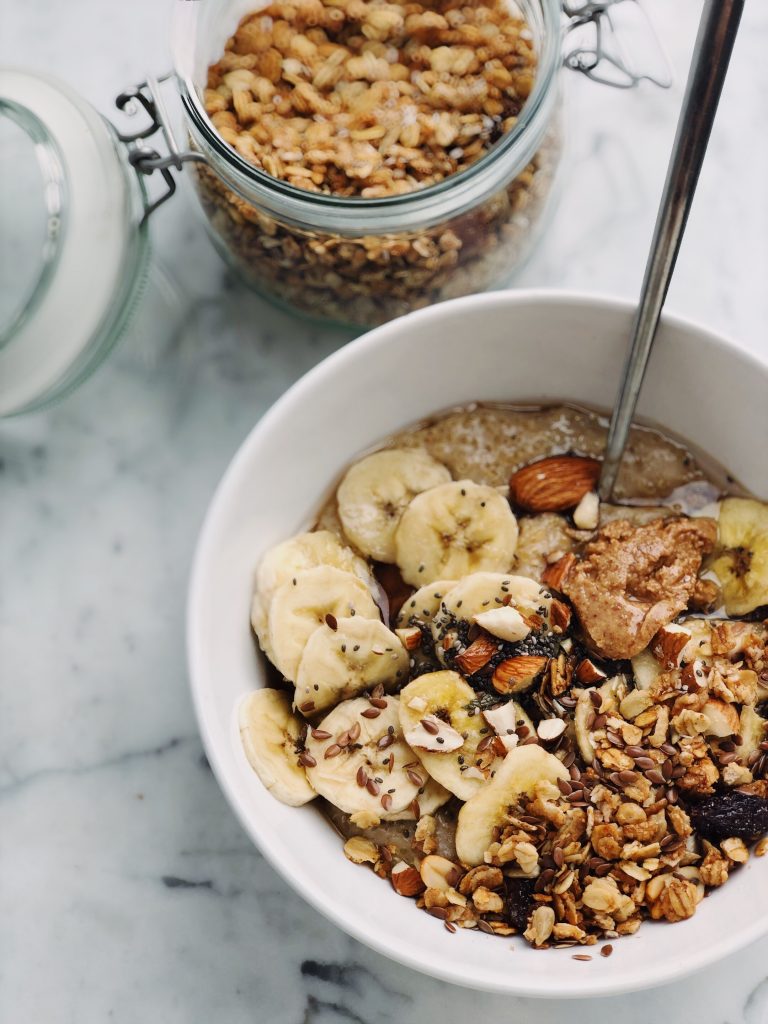
  • Bananas – Many fruits and vegetables can help improve mood, but we’re singling this one out for its high levels of vitamin B6, which helps synthesize neurotransmitters such as dopamine and serotonin. When there’s better mood control and stable blood sugar levels, you can avoid mood swings and irritability (especially when blood sugar goes too low). 
  • Nuts and seeds – We’re capping off this list with these sources of plant-based proteins, fiber, and healthy fats. In addition, they also offer tryptophan, an amino acid that produces serotonin. You have a lot of choices around, including almonds, cashews, walnuts, and pumpkin and sunflower seeds You can even sprinkle sesame seeds on dishes to get your fix. 


At a time like the coronavirus pandemic, it’s important to take control of your emotional wellness. Start with helping improve your mood with the food you eat – like an instant and affordable mood and brain enhancement program! Add this to the things that you do with your time. Exercise, start a new hobby, meditate, and sleep well to fight the blues. 

A Crash Course in Natural Nootropics: Are They Your Best Option for Brain Enhancement?

Best Option for Brain EnhancementThere’s much buzz around nootropics, also known as brain enhancement aides, memory-enhancing drugs, smart drugs, and brain boosters. But to the uninitiated, it is not easily known that there are two different types of nootropics. This blog will delve on the natural variety and how it can make a difference in your brain enhancement goals. 

 

Natural vs Synthetic Nootropics: Knowing the Difference

There are two kinds of nootropics: (1) synthetic, created in a lab such as the popular Piracetam, and (2) natural nootropics, which are herbal or nutrient-based in their constituency. 

Natural nootropics are plant-based extracts with the promised ability to improve mental function. They have become so popular largely due to their safety and lack of side effects as compared with their synthetic counterparts. Natural nootropic stacks are made up of herbal or nutrient-based ingredients to achieve the same cognitive goal. 

While these are only two classifications we’ve talked about, nootropics can be divided into seven broad categories, namely:

  1. Natural nootropics
  2. Choline
  3. Vitamin B derivatives
  4. Racetams
  5. Ampakines
  6. Peptides
  7. Smart drugs

Historically, the natural nootropics that we know and use today have deep ancient roots, significantly enhancing memory and concentration since the time of our ancestors. In fact, they deliberately used mind-altering substances found in nature for their own social, spiritual, and cultural purposes. 

Natural nootropics have a revered place in both Chinese and Ayurvedic medicine for more than 5,000 years. The herbs they use might differ or overlap, but the end goal is usually to increase mental focus and alertness, enhance memory, and up their ability to solve problems. These herbal therapies even have uses in the treatment of insomnia and neurosis. 


How Do Natural Nootropics Work?

There are various classifications of natural nootropics, which might offer a look at how they work: 

  • Neurotransmitter enhancers – This increases the activity of brain chemicals that are responsible for mental sharpness. These include dopamine, acetylcholine, and other neurotransmitters. Enhancing neurotransmitters means transmitting signals across brain synapses from one neuron to another – a major method by which the brain works. Increased neurotransmitter concentration or their chemical receptors’ sensitivity, in turn, enhance mental acuity and the learning process. 
  • Vasodilators – These nootropics also work by boosting the blood flow to the brain via a widening of the blood vessels. This then significantly increases the supply of important nutrients that are needed for the brain to function properly, such as oxygen and glucose. This process leads to greater mental performance. 
  • Antioxidants – Natural nootropics also act as potent antioxidants, preserving and protecting brain cells from the damage brought by free radicals to the body. Free radical damage can lead to poor memory, decreased brain function, and lack of needed focus. Antioxidants also slow down brain cell aging, a crucial way to prevent degenerative brain disorders such as Alzheimer’s and dementia. 

Today as they are produced and processed commercially to meet the needs of the mark, natural nootropics alter the concentration of existing neurotransmitters, according to a 2016 study published in the journal Evidence-Based Complementary Alternative Medicine. 

It’s been disclosed that they stimulate the release of dopamine, uptake of choline, cholinergic transmission, and function of relevant receptors, to name a few. Some of them act as a positive modulator for acetylcholine or glutamate receptors. The neurotransmitter release and increased activity that natural nootropics induce facilitates a complex process of cognitive enhancement. 

Primarily, natural nootropics provide strong nootropic effects without the use of pharmaceuticals. These synthetic products are also frequently linked to side effects, illegal commerce, or lack of research, so a number of nootropic users have been careful around their use. 

 On the contrary, natural nootropics rely on more natural substances, meaning they work synergistically with the human body and hence come with a lower likelihood of safety or efficacy issues compared with their synthetic counterparts. But we will go into greater detail on this in the next section…


Are Natural Nootropics the Smarter Choice?

There might not be one conclusive answer to this question, but it’s important to note that natural nootropic formulas are deemed legal and widely researched in many countries and territories, sometimes even more so than synthetic nootropics. 

These nootropics are well-regulated, can be openly sold at brick-and-mortar stores or online, and are backed both by ancient and modern scientific evidence that bodes well with their established reputation. 

Nootropic users are also likely to be conscious of the adverse side effects usually attached to synthetic nootropics, including sleep issues, feelings of anxiety, addictive consumption, appetite problems, mood swings and irritability, and even cardiac stress. 

While synthetic pills or powders, too, are heavily (or sometimes not at all) backed by clinical or lab studies, natural nootropics have been “tried and tested” for centuries by human consumption. Modern scientific literature have continued studying them and echoed their high safety value and effectiveness in different areas of health, including brain enhancement. 

Of course, vigilance remains important as the market still has adulterated products from fly-by-night companies and fraudulent parties that give the natural nootropic industry a bad name. This makes accurate, up-to-date information from authoritative sources essential in knowing the good from the bad, and therefore making sound decisions in nootropic intake. 

Growth Hormone Can Boost Memory and Cognition – But Not Too Fast!

Hormone Can Boost Memory and CognitionInsulin-like growth factor 2, also referred to as IGF-2, is a naturally occurring hormone that has been found to boost memory retention in animal models. It’s a peek into the mystery of the learning process, aiding scientists in finding treatment for dementia and Alzheimer’s disease in the future. 

 

What Growth Hormone Does

IGF-2 wasn’t a primary target among neuroscientists who were trying to chase down the molecules responsible for memories. It is more popularly known for its role in cell growth and repair. Yet it is worth knowing that IGF-2 has been detected in the hippocampus, a brain region linked to learning and memory, and therefore made researchers curious about whether it plays a part in cognition. 

After their experiment, the group found that the growth hormone improved rats’ memory when administered in a certain window of time, or within 24 hours when they gave the subjects a foot shock. 

This coincides with a phase in the learning process known as memory consolidation, a little known transition when a memory remains malleable but becoming stronger and more established. 

The fact that this growth hormone naturally occurs and can cross the blood-brain barrier makes it a good candidate for the treatment of memory-impairing conditions or mere forgetfulness, according to the researchers. 

IGF-2 has also been previously shown to reverse abnormal social behaviors and repetitive behaviors in animal models called BTBR mice, which are a popular model of autism. 


Potential Downsides

In a nutshell, IGF is a hormone made by your body naturally. It comes mainly from the liver, acting a lot like insulin and helping control growth hormone secretion in the pituitary growth. 

These hormones affect how your body metabolizes sugar or glucose. Together, IGF and insulin can work to rapidly decrease the level of glucose in your blood. 

While a couple of studies have associated low IGF levels with diabetes, high levels may also increase your risk for colorectal, breast, and prostate cancer. No recent studies, however, have reviewed the connection extensively. Insulin that people use for treating type 2 diabetes may also up the risk of certain cancers. 

What this means is while growth hormone supplementation may be a powerful biohack for many things including potential brain enhancement, it also has a dark side when taken excessively or inappropriately. 

Growth hormone had a full-spectrum anti-aging benefit, where it offered serious gains in muscle building, nootropic effects, and testosterone and libido boost when given to men over 60 years of age for 12 months. 

However, it takes rational thinking and skepticism to be on the safe side of growth hormone treatment as well as general supplementation. Some studies, for instance, have mentioned that responsible growth hormone treatment should involve the cofactor resveratrol, which improves insulin resistance.