5 Brain Hacks to Avoid Lockdown-Induced Coronavirus Anxiety

Avoid Lockdown-Induced Coronavirus AnxietyNot even the most limitless mind was prepared for the biggest challenge that 2020 has thrown everyone’s way: the coronavirus pandemic 2019 (COVID-19). The WHO-declared global pandemic has claimed thousands of lives, put entire countries on lockdown and travel restrictions, decimated entire businesses and industries, and introduced a “new normal” that we are still grappling with months after the pandemic began. 

Along with these unprecedented challenges come so much anxiety and depression for people cooped up indoors, not studying or working for months, or trying to cope when there seems to be no end in sight. 

Here are five brain hacks you can try to combat the anxiety and deal with the coronavirus. 


Recognize the Anxiety and Its Outcomes

In order to hack your brain and break the vicious anxiety cycle, you need to be aware of two things: that you are getting anxious, and what the results are. This will help you see if your behavior is helping you survive or taking you to another direction, which involves impulsive, dangerous behaviors. 

Once you are aware of what’s happening (“All right, so I am acting anxious all along…”) then you can deliberately replace the old habits, including worry, with more naturally rewarding ones. This is because our brains, after all, will choose more rewarding behaviors because they feel better. 

Once you start worrying about touching your face and getting sick, you can replace the panic, breathe deeply, and ask: When was the last time I cleaned my hands? Then you’ll realize it was just a few minutes ago! 


Strive for Productivity During Work Hours

Not everyone is ultra-efficient in a work-from-home setup. But anyone can set clear work hours at home as a good first step. Next, train yourself to be productive during those hours. 

There’s such a thing called classical conditioning, where two stimuli are linked together to produce a learned response in a person. Sounds familiar? Yup, it’s Pavlov’s experiments with dogs. 

What may work for you is inciting your sense of smell with scented candles (or your sense of hearing with specific music) while you answer emails. Then you’d turn off the stimuli during your break hour. The scent or music will ultimately become tied to productivity and even when you step outside or  do something else, you will have a reminder for when it’s time to go back to work. 


Do Mindful Meditation

This wellness practice has been around since time immemorial, and has been proven effective way before modern-day pandemics. It is all about staying in the moment, and not worrying about the future. In addition, it teaches you not to obsess over what happened in the past either, e.g., I should have traveled more, took that class, or dated this person before the pandemic. 

Mindful meditation is a known technique to sharpen your memory, attention, emotional intelligence, and just overall cognition. It is a known anxiety zapper and a resilience booster, which are two things you would need during a situation like COVID-19. 

Besides practicing it early in the morning after you wake up or before you sleep at night, you can also explore apps that will let you practice it any time of the day, especially if you are having troubles at first. Remember that it’s okay to be anxious at this time – but coming to terms with what’s happening will help you get over it faster and get hold of your emotions better. 


Try the Pomodoro Technique

Procrastination is a real thing, especially when you’re all worked up and anxious over events of the present and possibilities in the future. 

One thing to address this is the Pomodoro technique, a time management method developed in the late 1980s by Francesco Cirillo. Using a timer, it breaks down work into set intervals separated by short breaks.

You might wonder: how will using a timer benefit me?It tricks your brain into adopting a sense of urgency. It then creates periods of focus, where you can get in the zone and win over distractions left and right. It helps you “work with time” instead of struggle against it. 

The intervals are traditionally 25 minutes each. Note, though, variations have come up over recent years. Ninety-minute intervals, for instance, have been found effective in young musicians who practiced in increments of 90 minutes each, marked by a break between every stretch. The good news is you may also “personalize” your intervals to your natural flowtime. 


Try Prudent Supplementation

If supplementing with herbal extracts and nutrients is what it takes to help you achieve balance and calm during the pandemic, then it’s a route worth going. Admittedly, it’s a time when you feel you are not in control of your mind, body, and circumstances. Your head will naturally become full of scattered ideas and thoughts, holding you back from being at your best when you work from home or prepare for your post-pandemic activities. 

Calm-boosting supplements often contain botanical blends that help you whenever you experience occasional nervousness, get triggered easily, lack motivation to work or be productive, or loss of energy and control over your life. 

The trick that has always worked is to pair this with smart lifestyle changes, such as eating a good, balanced diet; finding time to exercise (even 30 minutes a day counts!), sleeping more, and gradually learning how to manage your stress effectively. 

With this arsenal of tips and tricks, you can better cope with the coronavirus situation and the mind-numbing anxiety that usually comes with it. Good luck and try your best to win over it! 

Yes, You Can Naturally Increase Dopamine in the Brain: Here’s How

Increase Dopamine in the BrainDopamine is among the many neurotransmitters in the brain that acts as a chemical messenger to make you feel motivated. It’s instrumental in making you feel satisfied in your head after you complete or accomplish a task. Dopamine is also released in the brain when you play sports or exercise, learn a new skill, or get recognized by your boss at work. 

So what’s the big deal about dopamine?


The Dopamine Factor

You might hear about dopamine a lot in your brain enhancement journey, simply because of its role as a “motivation molecule.” 

This means it provides the drive, focus, and concentration you need to be productive and have fulfilling days ahead. It is involved in many key cognitive processes such as focus, attention span, follow-through, and even the ability to relish and experience pleasure. 

On the downside, if there is a deficiency of dopamine levels in your brain, rest assured there will be some kind of imbalance that exists. You could feel fatigued, apathetic, forgetful, unfocused or difficult to concentrate, difficult to sleep, moody, and have oh-so-low motivation. What’s more, you might notice you crave sugar so bad! 

This is why we can’t really blame people who seek out their own “dopamine fix” in less-than-healthy ways, such as loading up on nicotine, caffeine, and sugary treats. While all very effective at ramping up levels of dopamine, these things can pave the way for addictive behavior. 


5 Ways to Increase Dopamine Naturally 

Let it be your goal to avoid quick dopamine boosts that disrupt the chemical’s natural production and decrease it in the long term. Here are five ways you can be dopamine-dominant minus the nasty side effects and unnatural techniques. 

  1. Track your tyrosine. The body needs tyrosine in order for it to make dopamine. Thus, it’s always a good first step to tweak your diet and introduce more tyrosine through bananas, almonds, eggs, fish, chicken, and beans, to name a few. And since dopamine is produced from both tyrosine and another amino acid known as phenylalanine, having a protein-rich die might serve you well. You may also find tyrosine as a common component of brain-enhancing supplements – a sound option if you don’t get enough of it in your everyday diet.  
  2. Get moving! Exercise can boost endorphin levels and improve mood. Improvements in mood, for instance, can be noticeable after as little as 10 minutes of cardio exercise, although they tend to be at their peak after at least 20 minutes. The benefits may not be entirely because of changes in dopamine levels, but research nonetheless suggests that exercise can be a natural dopamine booster. 
  3. Have adequate restful sleep. When there’s dopamine released in the brain, you experience being alert and wakeful. According to animal studies, dopamine is released in huge amounts in the morning, during waking time, and levels naturally drop in the evening when it’s time to sleep. A lack of sleep appears to interrupt this natural rhythm, and when you stay awake at night the amount of dopamine receptors in your brain is significantly reduced by the next morning. 

Because dopamine helps in wakefulness, decreasing the sensitivity of the receptors should incite falling asleep better. With less dopamine, though, you potentially get reduced concentration as well as poor coordination. A key to balanced dopamine levels might then be regular, quality sleep. 


  1. Enjoy a massage. Evidence suggests that one way to keep your dopamine levels at an optimum level is to manage stress. One way to do this is to take advantage of the effects of massage therapy, which can increase dopamine levels by up to 30% while reducing levels of cortisol, a stress hormone. 
  2. Listen to music. Did you know that your music playlist can be a fun way to stimulate the release of dopamine in the brain? According to a number of brain imaging studies, listening to music raises activity in the reward and pleasure areas of the brain. These areas are chock full of dopamine receptors. Listening to music has even been linked to improvements in the fine motor control of Parkinson’s disease patients. 

Like what you’re reading? Keep posted for more tips and techniques not just to obtain rich amounts of dopamine in the brain (the natural way), but also to supercharge your brain to new and exciting heights! 

The Noob’s Quick Guide to Nootropic Stacks

Nootropics are essentially brain-enhancing supplements. They are often used to improve memory, focus, and overall cognitive performance.

This article provides an overview of the different types of nootropic stacks and their benefits. Now that it’s pretty established that nootropics are practically a fancy word for “smart drugs” or cognitive enhancers (and may refer to both synthetic substances and natural supplements) let’s delve into another crucial aspect of brain enhancement. It’s called a nootropic stack, and it will be an important term for you to remember going forward.

Nootropic Stack

What Is a Nootropic Stack?

A nootropic stack is any combination of two or more nootropics. This means that you can combine any number of nootropics—from one to dozens—into a single supplement. This way, you get the most out of your nootropic stack by synergistically combining multiple ingredients. For example, if you want to enhance your ability to learn new information, you could take:

1) L-theanine

2) Aniracetam

3) Caffeine

4) Bacopa Monnieri

…and so on.

It doesn’t matter how many nootropics you are taking as long as they all work together to produce a positive effect! So, what exactly do these nootropics do? Let’s dive right in.

L-theanine

L-theanine effects include relaxation, improved mood, increased alertness, enhanced cognition, and reduced anxiety. L-theanine is also known to increase alpha waves in the brain, which can help with concentration, focus, and attention. L-theanine has been shown to have similar effects to caffeine but without the jittery feeling associated with caffeine intake.

Aniracetam

Aniracetam enhances short-term working memory capacity. It improves mental flexibility and helps you perform demanding tasks such as complex problem-solving.

Caffeine

Caffeine works by increasing blood flow to the brain; this increases oxygen and glucose levels, which boosts energy levels. It also raises dopamine, norepinephrine, serotonin, epinephrine, and endorphins, which make you feel happier and more motivated.

Bacopa Monniera

Bacopa monniera is a herb commonly found in Ayurveda medicine. It was traditionally used to treat insomnia, stress, depression, and other cognitive disorders. The active ingredient in bacopa monniera extract is bacosides A and B, which help to reduce neuronal damage and improve synaptic transmission in the hippocampus.


How Should You Take Them?

Nootropics come in various forms, including pills, powders, capsules, liquids, tinctures, gummies, and even patches. These are just some examples of how nootropics can be ingested. If you’re looking to enhance your brainpower through nootropics, you should start small.

Only consume 1/10th of a teaspoon of powder per day and gradually build up to half a teaspoon over several weeks. Remember that each serving size should contain between 5mg and 10mg of nootropic compound. Don’t go overboard!

If you prefer liquid nootropics, opt for 100ml doses of tincture. Tinctures are made by soaking herbs in alcohol for anywhere from 4 weeks to 2 years before being strained and bottled. Again, you would add roughly 5mg

What is the best nootropic on the market?

There are so many different nootropics available today; it can sometimes be challenging to know what’s worth investing in. However, we’ve compiled a list of our favorite nootropics based on their benefits, effectiveness, safety, and affordability.

Alpha GPC

Alpha GPC stands for Alpha Glyceryl Phosphoryl Choline, and it is one of the most popular supplements for improving memory. This supplement improves memory retention, reduces forgetfulness, and improves overall brain performance.

Acetyl-L-Carnitine

ACETYL-L-CARNITINE is an organic compound that occurs naturally in the body. It supports healthy brain function and protects neurons from degeneration. ALCAR is present in all major organ systems in the human body, including the heart, liver, kidneys, muscles, bones, eyes, lungs, skin, and brain. ALCAR is essential for average growth and development, and it helps maintain cognitive health as well.

Ampakines

AMPAKINES are synthetic amino acids that act like natural neurotransmitters within the central nervous system. They improve learning and memory and can prevent or reverse age-related cognitive decline.

This widely used term in the industry refers to a combination of two or more nootropic supplements. They are taken together or in a sequence, creating specific cognitive or brain-enhancing benefits.

An anti-Anxiety Nootropic stack

Anxiety is a common mental condition experienced by millions of people worldwide. Anxiety disorders affect nearly 40 million adults in the United States alone. Many patients find themselves taking anti-anxiety medication throughout their lives to help them cope with this debilitating disorder. Unfortunately, these drugs have been linked to severe side effects such as addiction, dependency, and impaired cognition. The good news is that there are much better, healthier, and safer alternatives to traditional medications. One of the most effective alternatives is stacking nootropics.

Bacopa monnieri and ashwagandha root, commonly known as holy basil, have long been considered sacred medicine. Its leaves have been used for thousands of years to promote longevity, lower blood pressure, relieve insomnia, and treat depression. Holy basil contains antioxidant flavonoids that may support nerve cell communication among brain cells.

Best Pre-made nootropic stacks

These stacks contain only three ingredients: L-theanine, caffeine, and piracetam. These pre-mixed nootropics are designed to optimize your daily intake of each component and maximize your cognitive enhancement.

Brain Enhancers Stack

Brain boosters are high-potency combinations of various nootropics. They’re often sold in larger packages than single nootropics because they offer greater convenience and cost savings. Brain booster stacks are usually composed of several nootropics in a single bottle.

Chromium Picolinate

CHROMIUM PICOLATATE is a mineral found naturally in meat, beans, nuts, whole grains, vegetables, eggs, milk, and seafood. Chromium is a trace element that plays a crucial role in maintaining optimal glucose metabolism and insulin sensitivity. For this reason, it has become increasingly important to include chromium in the diet.

DMAE

DMAE is a precursor to acetylcholine, responsible for transmitting signals between nerves. DMAE is also a structural component of myelin, the fatty tissue surrounding and insulating axons in the brain.

Nootropic stacking is a fundamental concept in modern cognitive enhancement, allowing users to build on the gains they can get from a single nootropic. You may use nootropic stacks in either one of two ways: take a pre-formulated stack or create your custom nootropic stacks according to your preferences.

So, What Makes Good Nootropic Stacks?

There is a complex answer to this question, given the constantly improved and innovated world of brain enhancement research. But it is essential to understand that there are still right and wrong ways to go about concocting a working nootropic stack. Some of those factors include:


  • Dosage, where there should be ideal ratios between ingredients so as not to overpower each other or cancel out the effects of another. One example is stacking stimulants with components providing calming or relaxing effects.
  • Format, whether they occur as pills, powders, tablets, capsules, or liquid nootropics. This may significantly affect the nootropic stack’s quality.
  • Interaction, where nootropic ingredients don’t jive well no matter their format or dosage. Mixing them should be avoided to reduce or eliminate side effects or a lack of benefit.

Key Takeaways

To sum up, there are three major categories of nootropics: stimulants, wakefulness boosters, and neuro-protectors. Stimulants are fast-acting, quick-lasting compounds that increase alertness, focus, motivation, and impulse control.

Wakefulness boosters are longer-lasting compounds that boost energy and decrease fatigue. Neuro-protective agents are compounds that protect neurons against cell death and oxidative stress.

The best part of using nootropics is that they don’t need to be taken every day, only when required. You can use them at any time of the day and still gain maximum benefit from them


7 Ways to Unlock a Photographic Memory

Photographic MemoryThe hard fact is you’re either born with a photographic memory or you’re not. Many people claim they have it when they really don’t. But that’s okay, because you can actually “hack” your brain to boost your memory, recall, and recollection skills at an astounding level of detail. 
Here are seven cognitive-enhancing ways to achieve that elusive photographic memory: 

  1. Load up on those omega-3s. Omega-3 fatty acids – found mostly in oily fish like salmon and sardines – are widely known to be heart-friendly, reducing inflammation and blood pressure. Did you know, however, that they may also assist your brain power? A Harvard study shows that omega-3 fats can reverse memory decline. It’s your lucky day when you consider that there are ample sources of omega-3s in the standard diet, plus you can supplement with a high-quality, reliable cognitive supplement to get your levels up.
  2. Try mnemonics as a brain exercise. The mnemonic system uses patterns of associations, images, letters, and ideas to help you recall something. It could be rhyming a person’s name or creating a visual image of something you want to remember. For instance, if you aim to remember an address, you may visualize it written on a front door that you also visualize in great detail, e.g., red color, with a bronze door knocker, and any other applicable imagery.
  3. Slow down. This might seem counterproductive when you’re trying to remember something, especially as when you’re digesting loads of information, it is truly tempting to mentally wolf them down as quickly as possible. Research points out, however, that if you’re trying your best to memorize something, it’s ideal to break up the information over several days, and then repeatedly go over the material. For new language learners, don’t attempt to memorize dozens of adjectives by week’s end. Instead, pick 10 words and dedicate time to go over them, such as on a Monday or Sunday.
  4. Get your heart pumping! A better memory is one of the gifts that regular exercise offers. A study concludes that if you learn something new and exercise within four hours, at an intensity of around 80%, then your hippocampus, the region of the brain that is responsible for remembering, will have more activity. Exercise also has well-established benefits in cognitive enhancement, so this step makes so much sense in the short and long term.
  5. Try the chunking technique. “Chunking” is a psychological term for a memory retention trick that involves clumping numbers, words, or items together in a list in order to remember them. For example, if you want to remember items on your grocery shopping list, then clump them together in various categories such as meats, frozen items, fresh produce, and personal care products. You may also divide your grocery list into potential meals, such as clumping lettuce, tomatoes, croutons, and cucumbers into a chunk called “salad ingredients.”
  6. Manage your distractions. For some people, it’s not about being forgetful; instead they are too distracted to effectively learn and retain the information in the first place. This means not multitasking if possible. Focus your entire attention on completing an activity at a single time, even with the temptation of doing several things at once. This gives you a greater chance of retaining information, which saves you more time in the long run. Again, a nootropic aid can come to your rescue to maintain focus and concentration.
  7. Consume protein. New research coming out shows that a high-protein diet directly correlates with an iron-clad memory. You might wonder why: it’s likely because of the amino acids, namely tyrosine and phenylalanine. This tip might not be for everyone (like those adopting vegetarian and vegan diets), so supplementation might be key to compensate for what’s lacking in your diet.


Bonus tips:

Honestly, there’s just a myriad of memory-enhancing methods out there. They include doing puzzles, learning a new language, reading more (whether books or magazines), learning at least one new word a day, and meditating. In no time, you’ll have a supercharged memory that can help you stand out in a crowd without extreme measures. 

Smart Drugs Revealed: What Are Nootropics?

Smart Drugs RevealedIt’s not every day that you come across the words “smart drugs” or “limitless pills.” They may actually sound too good to be true for some, especially those who are not yet exposed to the concept of hacking one’s brain power and performance. But there’s actually a strong, thriving industry behind these key phrases, and they are collectively known as nootropics.

Nootropics are a cognitive technology that include foods, drugs, supplements, and substances. They are recommended for healthy adults to improve memory and learning, mood, focus, concentration, attention, motivation, and just daily task processing. For older adults, they help support healthy cognitive aging.

These aids for healthy brain functioning come from the word “nootropic,” a combination of the Greek words for “mind” and “turn.” Thus it would mean something like “mind turner,” backed by the practical purpose of “hacking” the brain’s ability and tapping into its potential for greatness.

Overview of Nootropics History

Here’s a quick history lesson. Brain enhancement is not a modern concept at all. It dates back thousands of years, when humanity had already gotten attuned to cognitive modification for medicinal, religious, and recreational purposes, to name a few.

In India’s Ayurvedic system, psychoactive substances were used to inspire art creation, while ancient Egyptians were no stranger to stimulants, sedatives, hypnotics, and narcotics, to name a few.

Scientists of the last few centuries had been just as determined in enhancing cognition and brain function. James Lind conducted a relevant clinical trial in the 18th century, while Richard Canton observed the brain’s electrical impulses in the 19th century. Doctors and researchers in the 19th century scrambled to understand rising cases of Alzheimer’s disease as well as autism.

In popular culture, perhaps the most famed depiction of nootropics is in the movie Limitless, where the main character uses NZT-49, a fictional smart drug activating his brain completely and significantly ramping up his intelligence.

Features of Nootropics

There are six identified features of nootropics:

  • Improved learning and memory
  • Brain health support
  • Enhanced processing in the brain
  • Brain protection
  • Increased focus and attention
  • High safety value

In summary, the proponents of nootropics were quick to note that a nootropic should safely and effectively improve brain performance – if one of those elements are missing, then it shouldn’t be considered a nootropic at all.

What are some examples of nootropics?

Afinil, drugs created for wakefulness, were developed in France in the 1970s and are sold in the United States as a prescription. They are particularly known to help slash mental fatigues. Racetams, on the other hand, are artificial smart drugs offering reduced cognitive decline.

Many well-known nootropics today, however, are based on herbs, amino acids, spices, vitamins, minerals, and other natural substances – organized into dietary supplements. They are widely available in the United States, legal for purchase, and can be acquired in store or online without a prescription.

These herbal extracts and nutrients run the gamut, from ashwagandha to omega-3 fats, from bacopa monnieri to ginkgo biloba, from vitamin B2 to zinc. They have an expansive range of functions, including but are not limited to:

  • Stress reduction
  • Memory and energy increase
  • Mood support
  • Reduced migraines
  • Healthy cognitive aging
  • Restful sleep and relaxation
  • Improved focus
  • Concentration

The jury is still out on whether these are the best nootropics out there (or synthetic drugs still hold the most benefit), but there is great value to informed decision-making in the matter.

It’s ultimately up to you to stick with your trusted cup of coffee to boost your focus and attention, or maybe keep taking “good” omega-3 fatty acids to keep your brain connections firing at excellent speed. The key is finding the right fit for your needs, at – of course – the highest safety results possible.

Can You Prevent Alzheimer’s Disease?

Alzheimer’s DiseaseIt’s a much dreaded reality: the onset of Alzheimer’s disease, the stuff that sad family drama movies are made of. This progressive disorder causes brain cells to waste away or degenerate, eventually die, and most commonly cause dementia. This then leads to a continuing decline in thinking, behavior, as well as social skills, altogether destroying the patient’s ability to independently function. 

The big question, however, is can you actually prevent the onset of Alzheimer’s and save your brain and memory? 

What Causes the Disease?

Alzheimer’s disease results from damage to neurons or cells in the brain. This disrupts inter-cell communication, and as a consequence cognition is impaired. This cell death can be seen only with an analysis of brain tissue under a microscope, thus doctors diagnose the disease in living individuals through conducting tests assessing cognitive ability. 

Anatomically speaking, the brain cells in the region of the brain responsible for memory and learning – called the hippocampus – are often the first to incur damage. This is why memory loss is often the earliest sign of Alzheimer’s disease. 

Currently, there’s no cure or treatment slowing the progression of this dreaded disease. Drug therapies may only temporarily improve symptoms. The problem is so severe that about $175 billion out of taxpayers’ money is thought to be spent on patient care in the United States, so research continues to discover more about the risk factors and potential preventive measures. 


What Causes Alzheimer’s Disease?

Experts are pretty much in agreement that in the vast majority of cases, Alzheimer’s is the result of a complex interaction of different factors. Just like other chronic conditions, it can be a confluence of different factors including genetics, age, environment, lifestyle, and coexisting medical problems. 

Some risk factors such as genes or age cannot be changed. However, other risk factors, including a lack of exercise and high blood pressure, can typically be addressed and changed in order to reduce one’s risk. Continued research in these areas may lead to new and exciting breakthroughs to detect individuals who are at highest risk. 


Heart-Head Connection

Recent students suggest that some crucial factors for the onset of dementia, including hearing loss, untreated depression, social isolation or loneliness, and a sedentary lifestyle.

Cardiovascular disease, though, appears to be the single biggest link to having an increased risk. This is also known as the “heart-head connection,” which is still being explored by medical experts. 

According to some autopsy studies, as many as 80% of individuals with Alzheimer’s also have heart disease. You may significantly reduce this risk as well as the risk for strokes and heart attacks through active steps to improve your cardiovascular wellness. 


A State of Ketosis

A number of studies have explored the benefits of ketogenic diets in preventing Alzheimer’s. These diets, alongside the famed Mediterranean diet, depend on fat as the main energy source. Used abundantly in these diets are coconut oil, butter, nuts and seeds, avocado, and olive oil. Ketogenic diets also eliminate whole grains and allow very little fruit in the quest to achieve a state of ketosis. 

Experts may not have a conclusive take on the effects of ketosis on Alzheimer’s. However, they have welcomed the possibility that introducing ketones in the body may help repair and reverse the disease. 

“It seems likely that ketones can stimulate the growth and survival of neurons as well as the extension from neurons (axons and dendrites),” says Mary Newport MD, adding that this thereby increases the connections between brain cells. “The decrease in synaptic density is likely the primary pathological defect in Alzheimer’s disease.” 


But Can You Really Prevent Alzheimer’s?

The jury is still out on whether this can be done or not. However, there are meaningful steps that you can take to address the heart-head connection, i.e., prevent cardiovascular disease. These include:

  • Stopping or avoiding smoking
  • Eliminating or minimizing alcohol consumption
  • Consuming a healthy, balanced diet, such as favoring raw, wholesome food such as fresh vegetables
  • Exercising for at least 150 minutes a week, including moderate intensity aerobics
  • Undergoing regular health tests to monitor blood pressure and similar markers
  • If you have diabetes, stick to the advised diet and take the right medications to control it

Nootropics has been part of discussions to prevent Alzheimer’s yet there is little clarity about the link particularly among those who have not ventured to “hack” their brain through supplementation. Nootropics fall under two broad categories, namely naturally occurring and synthetic. Some herbs have in fact been shown to have neuroprotective effects comparable to those of anti-dementia medication in treating Alzheimer’s type dementia.

Cognitive enhancement plays an increasingly important role in tackling Alzheimer’s and other diseases that are steadily exploding worldwide. But again, note that as much as the risk factors are complex and multiple, the key to preventing disease is a diversity of smart tools in your kit, including diet, exercise, and prudent supplementation. 


5 Nootropics to Try for Increased Mindfulness – Plus More Calming Herbs

5 Nootropics to Try for Increased Mindfulness

You may have already come across the idea of mindfulness as a potent tool to cultivate a more peaceful existence and achieve a greater level of wellbeing. According to Psychology Today, there are a number of nootropics or brain-enhancing agents that can help you achieve this level of zen and increase your mindfulness. 


A Quick Background on Mindfulness

Mindfulness is a pretty amazing concept to grasp. It suggests that the human mind is fully present and attending to what is happening, what you are doing at the moment, and the space you’re moving through. 

This might sound petty to some, but consider that life usually moves very fast and the mind takes flight nearly all the time. This cuts off our natural connection with our body, and soon we’re taken over by obsessive thoughts and anxiety over what will happen next. 

We can define mindfulness as this: the basic human ability to be fully present and aware of where one is and what one is doing. It is also a state of not reacting or getting overwhelmed by what is going on in the immediate environment. 

You can be mindful by spending the first five minutes of your waking hour relaxed and thinking of nothing but your breathing and the fact you are alive! But given the bustles of life, it can be quite difficult sometimes to achieve this state. Here is where nootropics, or brain enhancement agents, may they be supplemental herbs or synthetic components, come in and extend a number of benefits. 


Nootropics for a Mindful State

Cognitive enhancement doesn’t come easily and readily, which makes nootropics an important commodity today. If used properly, these substances safely enhance the users’ cognitive functions and abilities. 

You might be surprised how widely studied nootropics are, including in placebo-controlled studies that show they can improve mindfulness. Here are five herbs that are hailed by research for their potential in improving levels of a person’s mindfulness. 

  1. Panax ginseng – This age-old all-around herb has been seen to improve mood, focus, energy, and even nervousness. A generally safe and legal nootropic ingredient, it is also shown in preliminary evidence to have a “small positive impact” on mindfulness. Panax ginseng can be used in different ways, such as as non-extract powder and different levels of extracted doses. 
  2. Sage – Another mindfulness booster is sage, which has also been studied to have effects in mood, memory, focus, energy, sociability, learning, and intelligence. Interestingly, it is found to have no side effects. 
  3. Lemon balm – Two studies examined the effects of lemon balm on measures of mindfulness, and concluded that it has a minute positive effect on it alongside mood, nervousness, stress, and intelligence. 
  4. Cocoa – There are perhaps few ingredients more flexible and widely used than cocoa. Now even for mindfulness, it has been found to have a positive impact, along with physical performance, stress, and learning. Don’t forget that it’s chock-full of polyphenols and antioxidants that scour dangerous free radicals in the body!
  5. Turmeric – Three studies vouch for the positive impact of this spice on mindfulness. It has also been hailed helpful in improving focus, energy, sleep, learning, and uplifting mood. Turmeric might not sit well with everyone because of gastrointestinal complaints, but it is generally safe and legal to use – and is in fact a staple in cooking among different cultures. 

Note that in achieving balance, energy, and calm (and a mindful state of being), the key is to lower your cortisol levels and improve your insulin sensitivity, helping lower blood sugar responses throughout the day. 

Other beneficial nootropics for this purpose include ashwagandha, commonly known as Indian winter cherry and one of the most important herbs in Ayurveda; the widely celebrated apple cider vinegar for restoring healthy energy levels and lowered blood sugar; and astragalus root with its far-reaching benefits in traditional Chinese medicine. 

You can balance your mind and body the nootropic way – and start with an unmistakably mindful state that you can maintain through the most hectic and demanding of days. 


Top 7 Ways to Boost Brain Performance

Overachieving is not just a random act or incident. Meeting your goals, whether in school, at work, or in your area of athletics, entails hard work, dedication, and putting in so many productive and challenging hours.

If you’re facing issues around focus and distraction, poor memory, occasional nervousness maybe, and even fear, it’s one way that you’re being held back from achieving your true potential. Here enters the idea of getting the brain enhancement support you need through nootropics, which are substances that offer vast-ranging cognitive gains and improvement. While nootropics are often discussed in terms of “stack,” you may try standalone products, too, and see how they can make a difference.

If you’re curious to know, it’s called a supplement stack when individual ones are combined for enhanced effects. This is because many nootropics tend to work synergistically, meaning when two or more are taken together, their effects combine to create better effects than any one nootropic would have on its own.

Here are top 7 products currently on the market that you can use to support your brain performance and create a personal narrative of overachieving – through high-quality nootropics in order of ranking as follows:

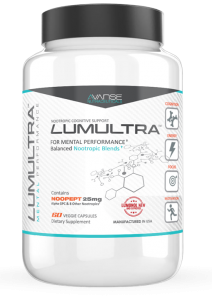
LumUltra1. LumUltra – Best Overall Performance. Focus issues abound in today’s world, and people need clarity and solutions to distractions and poor productivity to be able to achieve well in their endeavors. One strong way to combat this is through boosting the chief neurotransmitter acetylcholine, which directly aids learning and working memory.
Users of acetylcholine-boosting nootropics report feeling more focused and alert, at ease in social environments (such as huge stadiums during a big game), and motivated to train and push their limits. They also report being calmer and less stressed during high-stakes conditions.

LumUltra is our favorite acetylcholine-boosting supplement, with its core ingredient, Noopept, and its Energy, Memory, and Focus Blends showing stellar results. You can tell we’re raving – and the backstory is months and months of successful use that we don’t have a lot of room for other nootropic options in the market if we’re being honest.


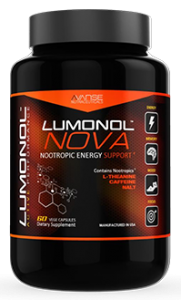
Lumultra Nova2. LumUltra Nova – In a world where adequate energy to meet life’s mounting demands is a precious commodity, a nootropic that offers to improve energy, boost immune system and mood levels is a must. We’re in love with LumUltra Nova for this reason, as it takes two of the most popular nootropic stacks – caffeine/L-theanine and caffeine/NALT – to create an advanced formulation for this purpose.
It’s all about peak performance, whether you’re seeking more drive, cramming for an exam or work presentation the next day, devoting so much energy reserve to fitness, or coping with external stress.


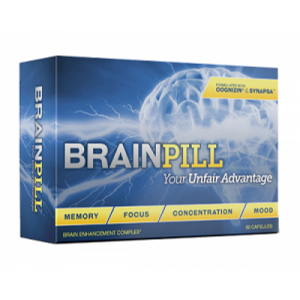
BrainPill3. BrainPill – Bacopa monnieri has been used in Ayurveda, the ancient Indian healing system, for centuries for a variety of purposes, from enhancing memory to reducing anxiety. The benefits of Bacopa monnieri hold in today’s busy world, helping boost brain function and alleviate stress and anxiety, among others.
We adore BrainPill’s formulation based on this wonder ingredient for enhancing cognitive function as well as ramping up mental performance. There’s probably a slight buzz when you take it, but this nootropic has relatively OK levels of safety and some consistency in its formula.


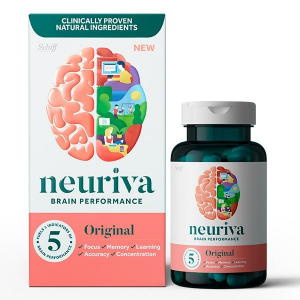
Neuriva4. Neuriva – Another popular player in brain enhancement is this fatty substance that covers and protects the cells in your brain, carrying messages between them. PS has a crucial role in keeping the mind and memory sharp. Just watch out, though, as animal studies seem to suggest that the level of this substance in the brain declines with age.
Thankfully, there are nootropics like Neuriva that contain PS to help enhance thinking and focus when you need it. It might be limited in the sense that PS may not be the be-all, end-all of nootropics, but it might be worth the try.


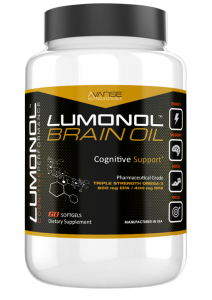
Lumonol Brain Oil5. Lumonol Brain Oil – Who can debate the superior brain-enhancing properties of pharmaceutical grade DHA, EPA, and other omega-3 fatty acids? Not a lot, particularly as they demonstrate so many impressive effects on depression, anxiety, immune support as well as age-related mental decline. Surely there are a staple in many diets for a reason.
These healthy fats are known to improve memory and overall cognitive function, rebuilding the brain cells and prompting you to be at your best every single day with the corresponding gains in focus, energy, and calmness.

We’re long-time fans of Lumonol Brain Oil for getting our omega-3 fix without side effects or unwanted consequences. Anyway the weight of the human brain is around 3 pounds, it’s the fattest organ in your body, and it may consist of at least 60% fat. Good fat is a brain savior, of course!


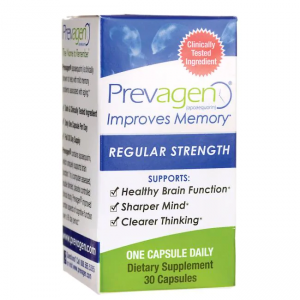
Prevagen 6. Prevagen – Trivia time. Did you know that jellyfish have an extract called Apoaequorin? This unique protein extracted from this sea creature was first discovered by E. Newton Harvey in 1921 in an experiment delving on the bioluminescence of some kinds of jellyfish. It was originally identified in a rare jellyfish species and found to help the brain and nervous system do the jobs well.
This is why we appreciate Prevagen, as this extract serves as its brain-boosting feature. If you’re feeling a little adventurous about nootropics then jellyfish extract might be worth exploring – just make sure you don’t react to it adversely!


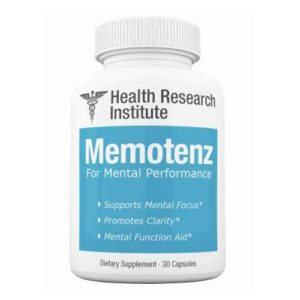
Memotenz 7.  Memotenz – Ginkgo biloba is an ancient herbal extract that has been found in studies to be effective at boosting memory and the brain’s “command and control” function, particularly in stroke survivor subjects. It does so many things in brain enhancement, including helping the brain absorb glucose and assisting in the transmission of nerve signals.

If you’re eyeing ginkgo biloba and its benefits, Memotenz is one of so many nootropic products out there that contains this extract and may offer favorable results with weeks of supplementation.


It’s important to use this rundown of brain enhancement products as a rough guide for what you may need to be an overachiever in life. It’s always better to look at a balance of safety and effectiveness in the products you try. Most of all, pair your nootropic stack with good lifestyle choices such as a good diet, exercise, adequate restful sleep, and effective stress management to get the best results possible.

Keep posted for the top brain enhancement features from our circle of health experts and nootropic enthusiast council!

What Are Your Options for Brain Enhancement?

What Are Your Options for Brain Enhancement?In sharpening your mental clarity, memory, focus and concentration, and overall cognitive function, there are a number of things that you can try. In fact there are so many options out there that it can make your brain hurt – from steps that are seemingly the stuff of old wives’ tales to supplementation. Explore the following if you’re just starting out wanting to maximize your brain’s performance.
Food as Brain Fuel

A number of studies have linked breakfast with increased short-term memory and attention – and this is just one among so many findings that establish the role of food in brain enhancement. One highly touted food for cognitive increase is fish, which is chock full of omega-3 fatty acids or healthy fast that have brain-boosting abilities.

Nuts and seeds, too, are good sources of vitamin E, another antioxidant found to slash cognitive decline with age. Dark chocolate isn’t just a delight to eat, but also a potent antioxidant that in moderate levels can pump up your brain machine. 

The brain is also dependent on optimal blood flow and circulation. This is why a diet high in whole grains as well as fruits can lower blood cholesterol, enhance blood flow, and get those brain cells fired up. Berries are another showstopper, particularly blueberries and their ability to help protect the brain from free radical damage. 

Physical Exercise 

It’s been known since time immemorial that exercise gets the blood flowing. That process alone helps your brain receive the oxygen and nutrients it demands in order to perform well. According to research, simply riding a stationary bike or using the treadmill for 30 to 6 minutes, three times weekly, can enhance blood flow to the brain area that is responsible for retaining memory. Weeks more and the participants fared better on memory tests! 

It’s not just walking or biking, though, that can make a radical difference in brainpower. Other types of physical activity can be beneficial. Yoga, done three times a week, has been found to enhance brain function among older individuals. 

Games and Mental Activities

There’s so much more than we haven’t explored about the human brain yet. What better way to go into that journey of discovery than gamification and mental exercises? Crossword puzzles and online games by themselves might not readily boost your brain, but it’s the spirit of learning something new that will. 

Studies had senior individuals try various activities. However, only those who learned a new skill, such as quilting, demonstrated significant improvement in their brain function. 

It pays to “exercise” the brain often, as it is like a muscle – the more you use it, the stronger it becomes. It does not have to be an elaborate, difficult new mental undertaking; you can simply pick a new hobby. Learn a new musical instrument, a new language, or a game on the computer. 

Snooze Your Way to Brainpower

Even the brain, as powerful as it is, needs a nap. Napping is a great way of rebooting a tired organ in the afternoon, and getting charged up for the rest of the day. It is also a known mood enhancer. Power naps, too, can enhance your motor skills as well as attention. 

While napping between anywhere from 20 minutes to one and a half hour is recommended, note that you may feel groggy once you wake up. It is also just as important to have at least eight hours of restful sleep every night, as this helps your brain retire for a few hours and rejuvenate for another day ahead. 

Brain Enhancement Supplementation

There’s been much skepticism around brain enhancers or so-called nootropics that abound on the market today. But did you know that since time immemorial, brain-enhancing food, herbs, and spices are celebrated for their benefits? Ancient cultures like the Mayans as well as Indians with their Ayurveda know that nature has enough gifts that should be maximized to achieve optimum brain function for everyday life and even extraordinary circumstances. 

Brain supplements serve a massive array of functions, including the following:

  • Cognitive enhancement for seniors
  • Increased brainpower for children
  • Sleep and mood enhancers
  • Energy and focus drivers
  • Brain cell rejuvenation agents
  • Brain boost for elite gamers
  • Calm and balance, and 
  • Many more specific brain enhancement purposes

While the brain is an amazing organ, remember that it is not always at its peak performance. It will need all the support it can get through vitamins, minerals, antioxidants, and nutrients that will optimize its health and performance, and keep you going at your best no matter your goal. The desired results include better memory, focus, processing speed, feelings of calm and being in control, alertness, and overall brain function. 

No matter what option you take as a beginner in nootropics or someone who is consciously increasing brainpower through everyday strategies, always consider safety alongside efficacy of your technique. Nootropics are only as good as their safety value, and brain enhancement shouldn’t come at a very dear price to your wellness.

10 Brain Boosting Supplements

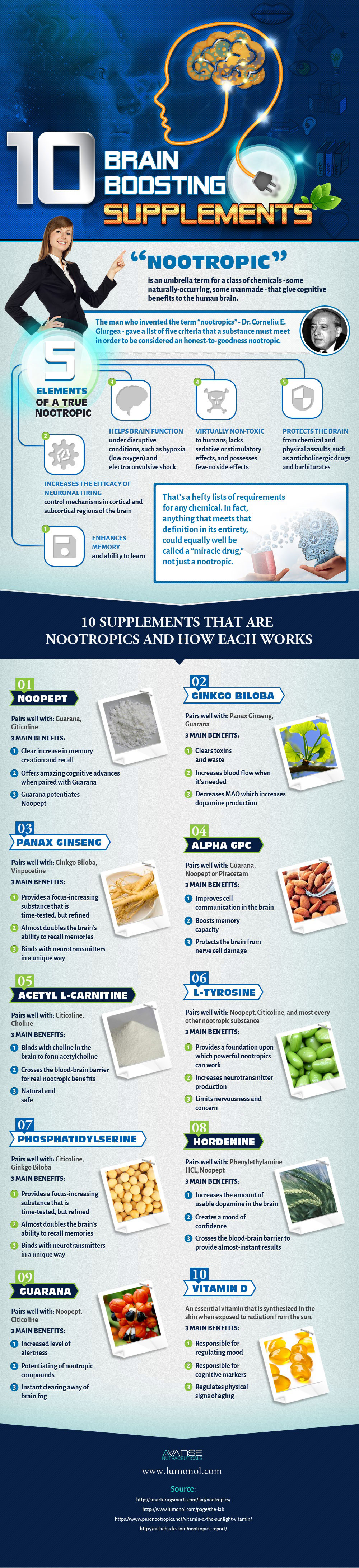
10 Brain Boosting Supplements

In a time where students and working adults alike are turning to prescription drugs to get a boost in productivity and focus, the potential side effects and drawbacks of abusing these drugs are certainly becoming an issue after the fact. Luckily, there are supplements known as “nootropics” that either exist naturally or are man-made to provide mind-sharpening benefits without the sometimes extreme side effects. In the accompanying infographic, we’ve outlined the particular requirements necessary to classify a substance as a nootropic and listed some of the more commonly used supplements available to consumers looking for a more beneficial brain boost minus the drawbacks associated with some prescription drugs.


Recent Posts