
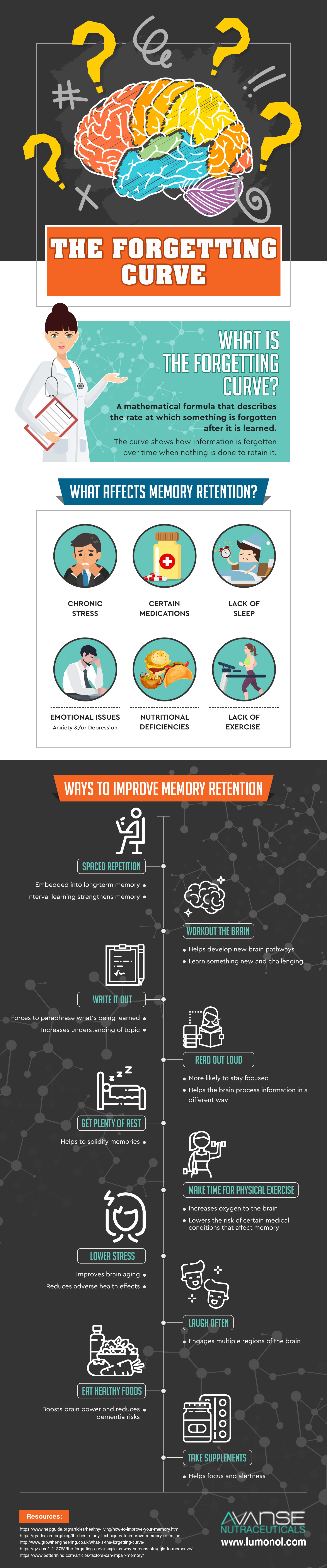
The Forgetting Curve

The Forgetting Curve

Recent Posts

The Truth About Psychological Stress Leading to Cancer

The Truth About Psychological Stress Leading to Cancer

The Truth About Psychological Stress Leading to Cancer

Psychological stress describes what people feel when they are under mental, physical, or emotional pressure. Although it’s normal to experience some stress from time to time, people who experience high levels of psychological stress – or who harbor it repeatedly over a long period of time – may have greater chances of suffering from dire health problems and increased cancer risk.

Stress can be caused both by daily responsibilities and routine events, as well as by more unusual events such as trauma, an illness in the family, or death of a loved one. It can also take place when you feel you have no control over a situation, such as long-term unemployment or having a falling out with a friend.

How about stress and cancer? Currently there’s no evidence that stress is a direct cause of the condition, but there’s accumulating proof that there is a certain link between the two. Unmanaged stress is also believed to affect how the disease progresses.

Chronic Stress and Your Health

Research has demonstrated that people experiencing intense, long-term stress can fall prey to a number of health issues, including digestion issues, fertility problems, urinary problems, and weakened immunity, according to Cancer.gov.

Chronic stress can also make you more prone to viral infections such as the common cold or the flu, as well as headaches, anxiety, and depression.

Hundreds of studies have already measured how stress impacts the immune system and our disease-fighting capabilities. Researchers out of Ohio State University, for instance, discovered that students under pressure had slower-healing wounds, as well as took longer to produce immune cells that kill foreign invaders.

Stress as a Risk Factor for Cancer

Despite the lack of conclusive evidence that psychological stress directly causes cancer, links between the two could be discussed several ways:

  • People under stress may develop risky behaviors such as smoking and alcohol consumption
  • A shared inherited risk factor if you have a relative with cancer
  • The stress induced by a cancer diagnosis in the family

Studies have demonstrated, too, that women who went through traumatic life events or losses in recent years had substantially greater rates of breast cancer.

Psychological stress may also affect cancer patients, as the disease’s physical, social and emotional effects can prove to be stressful and make patient more prone to risky behaviors like smoking or substance abuse. A cancer patient may also become more sedentary or suffer a poorer quality of life after diagnosis and treatment.

In order to prevent cancer development, it is important to block foreign organisms from invading in the first place, as well as facilitate DNA repair of abnormal cells and T-cells’ ability to kill cancer cells. This natural defense mechanism of the body is compromised when you have too much stress, which lowers your immune system’s ability to recognize abnormal cells and kill them before they produce a tumor.

Power Up Against Stress

Again, stress is a normal part of everyday life, but once it gets out of hand or stays a little too long, it’s time to address its root cause and turn things around.

This leads to the critical importance of tapping into your energy reserves and really being at your best during the toughest challenges in life. Simple dietary and lifestyle strategies can make you win against psychological stress – try the following natural techniques:

  • Consuming whole, raw, natural foods such as organic vegetables, fruits and omega 3-rich fish and other food sources
  • Regular physical exercise, or at least 30 minutes of moderate to intense activity like walking or light jogging every day
  • Getting plenty of restful sleep, or about 7-8 hours every night
  • Managing your emotions and employing natural methods to fight stress, including meditation, journaling, listening to relaxing music, and yoga
  • Natural supplementation for increased energy and stressor protection throughout the day
The Truth About Losing Your Mind When Getting Older

The Truth About Losing Your Mind When Getting OlderMild forgetfulness can be a normal part of the aging process, but how do you know your memory loss is still normal or already a sign of a more serious problem? What’s acceptable and not when it comes to memory loss with aging? Here’s the lowdown before you panic with the idea of getting older and losing your sharp memory and cognitive functioning.


There are so many changes that take place in your body as you get older, and your brain is no exception. You may notice it’s harder and taking longer for you to learn new things or pick up brand-new skills, as you may not remember things as well as you did before (such as the simple information of where you left your eyeglasses).

While older people don’t do certain things as fabulously as younger people do, including performing in complex memory and learning tests, they can still outdo them in these areas and even in mental ability tests like vocabulary. This means that aging usually comes only with mild forgetfulness, not serious memory challenges.

And it’s typically NOT aging that causes more severe memory loss. Other factors affecting memory include use of certain medications, deficiency in vitamin B12, excess alcohol intake, or blood clots in the brain. Dementia can be a culprit as well, while emotional distress can temporarily lead to confusion and forgetfulness and can be eased with solid social support.

The long and short of it: you don’t have to lose your mind when you age.

Ways To Keep Your Memory Sharp

There is a wealth of ways you can keep your memory sharp and optimally working even in older years, including the following techniques:

  • Task planning, where you create to-do lists, use memory aids such as calendars, and form mental connections such as linking events to meaningful items such as songs, books, or a familiar name.

  • Regularly doing exercise and sports, where you engage in physical activity that can improve brain function or even prevent or delay the onset of neurodegenerative conditions like Alzheimer’s disease.

  • Developing new hobbies to keep the body and mind active and engaged.

  • Limiting alcohol consumption, where studies suggest that binge drinking could lead to memory issues over time and pave the way for permanent brain injury.

  • Seeking stress relief and professional help once anxiety or depression has already starting getting out of hand.

The power of supplementation should never be underestimated, too. Nootropics, like LumUltra Wisdom, are making waves today in the brain wellness arena due to their promise of elevating overall cognitive performance, particularly among those who most need it such as the elderly. Time-tested herbs and nutrients are at the core of these products, which promise potential in addressing focus and distraction, poor memory and cognitive performance, and even the occasional fear and nervousness.

Sometimes you may know a word or name but need more time to retrieve it, which is different from actually losing the knowledge itself.

The message behind these lifestyle techniques and nootropic supplementation is simple: you can remain limitless even in old age. Your age does not have to dictate your memory’s possibilities, because you can keep performing at your best given the right tools and reinforcement for brain health.


Food For Thought: Eat Your Way To A Smarter You

We often underestimate the power and influence of our diet – we think it’s just food made to sustain our bodies for our day-to-day affairs. But food can have such great healing and wellness properties that can help you up your game and improve in the physical and mental aspects. Do you realize, for instance, that you can eat your way to a smarter, better you?

Food For Thought: Eat Your Way To A Smarter You

Clean eating focuses on consuming foods whole, raw, and natural, with none of the additives and processing that spoil this unadulterated state. It should also make sure that nutrients that boost brain power and cognitive functions get to your system and keep you sharp and focused. The brain, after all, is a complex network of 100 billion nerve cells that requires the right nutrition and environmental factors to perform well.

There’s a wealth of key nutrients needed for you to become smarter, but here’s a rundown of them based on the different phases of life, according to Express UK.

  • Childhood and teenage years – By age 5 or 6, brain growth has already been completed, although the process of maturation continues and makes an optimal supply of vitamins and minerals necessary. Omega-3 fats have been shown to benefit school children in their reading tests, and a deficiency in them has been linked to conditions such as ADHD, dyslexia and autism spectrum disorders. In teens, the brain continues to amass the omega-3 acid DHA.

Apart from improving your omega-3 fat intake, experts advise that you should go easy on saturated fats and sugar, which have been shown in animal studies to lead to impaired neural ability in the hippocampus.

  • Age 20s to 30s – Brain development has been demonstrated to continue until around age 25, with suggestions that wisdom indeed comes with age but unexpectedly a lot earlier than expected. Given this, vitamin E found in nuts and avocado may assist in warding off depressive feelings, while fruits and vegetables support vascular health, which factors in the onset of dementia. Of course, there’s physical exercise and smart lifestyle choices to keep the brain in its peak performance!
  • Mid-life – Did you know that early onset dementia is becoming far more common today than previously thought? Memory loss and failing cognition are a real scourge and they can strike in middle age. As such, a higher intake of omega-3s may prove beneficial, while magnesium – mostly found in nuts, beans, and whole grains – may help enhance memory.
  • Senior years – As your age increases, your brain shrinks, and all sorts of changes happen in the organ. Thus it is crucial to stock up on vitamins A, C and E, as well as selenium, to reduce brain inflammation and cognitive decline. DHA and EPA, too, have been found to significantly improve episodic memory, the decline in which has been a common complaint among senior adults.

It’s never too late to implement smart, sustainable ways to power up your brain and your cognitive abilities. While it starts in the food you eat, the modern lifestyle could get in the way of receiving all these important nutrients – making it crucial to find alternative sources, such as a natural supplement like LumUltra, to make up for nutrition gap.

Can You Actually Prevent Dementia?

Can You Actually Prevent Dementia?Is there a way to stop dementia in its tracks? It’s an ever-intriguing question, and it has fueled so much investigation and movement in medical research. While there are no definitive answers to this question yet, there are promising studies underway and they explore the potential of diet, exercise, mental stimulation, social support and smart lifestyle choices in preventing dementia and Alzheimer’s disease.

For starters, the majority of cases dementia and Alzheimer’s are rooted in more than just aging. Like most other common chronic issues, they are likely influenced by the complex interactions of genetics, environment, medical conditions, and lifestyle, such as leading a sedentary life.

For now, we can only discuss these factors and interactions, as explained by the National Health Service of the UK:

  • Diet – The risk of some kinds of dementia can actually be reduced with a low-fat, high-fiber diet, such as plenty of vegetables and fruits. Experts also advise limiting the amount of salt in your food to not more than six grams every day. Excess salt increases blood pressure, a risk factor in the condition. Note, too, that high cholesterol may also contribute to the development of dementia, so you may be better off moderating your saturated fat intake.
  • Weight – Did you know that being overweight can up your blood pressure and in turn make dementia more possible? Make it a point to regularly measure your weight by calculating your body mass index and following conscientious steps to shed the extra pounds.
  • Physical exercise – An active lifestyle makes your heart and blood more efficiently working, as well as helps lower cholesterol and keeps blood pressure on a healthy range. For more health individuals, at least 2.5 hours of moderate-intensity aerobic activity every week will be beneficial, either by walking, running, cycling, or doing other simple daily activities.
  • Alcohol intake – Excess alcohol drinking can make your blood pressure shoot up and raise your cholesterol, so it’s best limited to up to four units a day for males and up to three units a day for women. A unit equals about a small glass of wine.
  • Smoking and tobacco use – Your arteries narrow when you smoke, leading to an increase in blood pressure and a higher risk of developing not only dementia but also cancer and cardiovascular conditions. Seek the social support you need to quit cigarette use, or heed your physician’s advice for giving it up.
  • Mental stimulation – It’s crucial to stay mentally active no matter what age you are! Mental stimulation has been found to improve scores on memory and thinking tests for those with dementia, so it should be further promoted through activities such as reading, playing music, doing arts and crafts, and working on puzzles and brain games.

Herbal Supplementation To Combat Dementia

The power of time-tested herbs and nutrients should never be underestimated when it comes to promoting clarity, vitality and memory, particularly among the elderly. Wisdom and efficient cognitive function should not be lost due to natural cell degradation and lack of physical energy in this segment – something that a brain supplement could optimally assist in improving.

Warning: Mental Health Dangers from Omega Oil Deficiency

LumUltra Brain Oil helps with Omega Oil DeficiencyDid you know that a deficiency in important long-chain fatty acids – which are required in regulating immune, inflammatory and cardiovascular pathways in the body – could be detrimental to your mental wellness? There is a wealth of dangers from lacking oils and foods with omega-3 fats, and they include brain-related effects ranging from attention issues to emotional sensitivity.


According to Fitday, and an online diet journal and food diary, it has been estimated that more than 90 percent of adults in the United States maintain too little of these fatty acids in their regular diet. Many conditions are then linked to a deficiency in the nutrient, including obesity, heart disease, and neurological disorders.

When have omega oil deficiency, you run the risk of suffering these physical symptoms:

  • Rough, dry, bumpy skin
  • Dry, dull, brittle hair and dandruff
  • Soft, peeling or brittle nails
  • Excess thirst and frequent urination
  • Sleep issues including difficulty settling at night

When it comes to mental health and well-being, attention problems could include increased distractability, poor focus and concentration, and memory issues. The emotional setbacks of the deficiency, on the other hand, could comprise excess mood swings, undue anxiety, and depression. Let’s take a closer look at these two areas:

  • Attention and learning problems – Omega 3 acid DHA, an essential component of the brain, compose about 60 percent of the human organ. If you lack DHA in your diet, the myelin sheath that surrounds your nerve and brain cells may not be enough. This could pave the way for learning disabilities such as attention deficit disorder.
  • Depression and emotional issues – Studies have found that consumption of omega-rich fish climbs, depression rates drop. In countries eating more of these fatty acids, depression rates are also believed to be up to 60 percent less than others including North America, where there’s lower omega-3 intake. One reason: omega-3s are an essential part of the neurotransmitter serotonin, known to be a natural mood enhancer.

Now, how do you improve your omega-3 fat levels?

Your diet is always the first area to look at. Omega-3 fats HA and EPA, for instance, are primarily found in seafood including tuna, salmon, sardines, and anchovies, as well as in algae. ALAs, too, are plant sources of the nutrient, and they include walnuts and flaxseed.

Remember that you have to maintain a good balance of omega-3s and another essential fatty acid, omega-6. The usual issue is that the standard modern fare provides too much omega-6s, which promote inflammation and contribute to inflammatory conditions. Chronic inflammation, too, can contribute to brain fog, anxiety, and depression – proving the importance of maintaining good omega-3 and omega-6 ratio in your body!

Aside from optimizing your EFAs in the body, it’s also a good idea to explore natural brain health supplementation, which could elevate overall cognitive functioning and performance. If you’re already following a balanced diet, exercising, and smart lifestyle choices but still see gaps in your mental performance, a nootropic like LumUltra Brain Oil may be the key to sharpen your edge and gain a natural advantage in aspects like working memory, clarity, and keeping your emotions in check.

Are you ready to feel and perform at your very best everyday?

Optimize your brain performance with the most powerful Pharmaceutical-Grade triple strength Omega-3 Fish Oil today.


Can A Drink Really Make You Smarter?

LumUltra Smart Drink

Different types of drinks impact your health and wellness differently.

One crucial area to look at is how they affect your brain function, including your focus and concentration, memory, and problem-solving abilities. In fact, there’s so much attention on “smart drinks” that kick-start your energy and alertness while boosting your brain functions, we decided to share some of these key tips.

Here’s a rundown of different types of drinks and their effects on your brain’s workings:

  • Water – Your brain has an incredible need for water, with massive sensitivity to changes occurring within your body. It is likely most sensitive to the natural water balance or hydration status of your system, as it cannot function optimally without these proper levels. Dehydration, for instance, has been found to impair both short and long term memory functions. So load up on clean, pure water every day – you need it to improve your mental functioning.

  • Coffee – Studies are divided as to how caffeine affects your brain, pointing to both good and bad results: too little and you don’t get much benefit, while too much can rewire the brain and change the way it works. But rest assured, that cup of coffee can kick-start your brain, with caffeine, for instance, shown to speed up the reaction time in the frontal cortex area of your brain. There’s a wealth of compounds such as chlorogenic acids, too, that may augment this drink’s ability to enhance concentration without upping irritability. The key is to use coffee in amounts that won’t overstimulate you.

  • Tea – This age-old drink is celebrated for so many reasons, mostly for its rich compounds that may assist you physically and mentally. Its flavonoids, for instance, are potent antioxidants known to protect neurons from stress-related injury and to promote memory and cognition. Its theanine is also able to cross the blood-brain barrier and demonstrated to potentially improve relaxation, mood, and cognitive function.

  • Berry Smoothies – Fruit and vegetable drinks are not to be left behind in providing a brain boost. Acai berry, for instance, is a South American fruit known to help dilate blood vessels and increase blood flow. Since it’s very expensive, you may try a variety of frozen berries, too, including blueberries, raspberries, and strawberries for a tasty, brain-friendly smoothie. Frozen berries are a favorite since they retain the nutrient value of fresh berries, easy to purchase, and last a while in the freezer.

Even nootropics, supplements reputed for their brain-enhancing properties like LumUltra, are now widely available in powder form for people who prefer natural herbal nutrients in a drink rather than swallowing pills. The ingredients of these so-called smart drinks are shown to assist in focus issues, bringing clarity and offering a bit of relief for those struggling with poor productivity, distractions, and even the occasional uneasiness and nervousness.

Soda and energy drinks have been long considered lifesavers in the arena of physical and mental energy. But it’s time to rethink your stand on the matter: return to basics – water and tea, for one – and combine them with high-potential natural herbs and nutrient based drinks to get that sharpness and mental well-being you seek and deserve every day.

Are you ready to make a smart change and improve your brain power? Make LumUltra Smart Drink your daily refresher today.

Your child’s ADHD meds are affecting his bone density, study warns

shutterstock_184343540-1024x706Watch out: your child or teenager taking stimulant drugs to treat attention-deficit hyperactivity disorder (ADHD) may have lower bone density compared to their peers who don’t take those meds, according to current research.

These stimulant drugs, including methylphenidate and amphetamine, are commonly used for treating ADHD, which currently affects over 6 million kids in the United States alone. Given that ADHD is among the common neurodevelopmental childhood disorders today, experts are warning of the potential threat that these meds can pose to developing bones.

Back in April this year, a study probed the link between the use of stimulant drugs and bone density, examining data from the National Health and Nutrition Examination Survey (NHANES). Through DXA scans, the researchers found that the average bone mineral content at the lumbar spine of stimulant users was 5.1% lower than in non-users, and 5.3% lower at the hip and 3.9% lower at the spine.

While not proving that ADHD drugs directly cause lower bone density, these findings echo concerns on kids regularly taking them.

“Our research suggests that children and adolescents who use stimulant medications may need monitoring of their bone health during and after stimulant treatment,” said Dr. Alexis Feuer, assistant professor of pediatrics and a pediatric endocrinologist at Weill Cornell Medicine in New York City.

A separate study, led by orthopedic surgeon Dr. Jessica Rivera and presented at the 2016 Annual Meeting of the American Academy of Orthopedic Surgeons, found that around a quarter of the kids on ADHD meds met criteria for osteopenia, which is marked by low peak bone density. The researchers believed this percentage is “significantly higher” than the percentage for their peers not taking the meds.

In addition, the meds the children used can lead to gastrointestinal issues, including reduced appetite and an upset stomach, which the team warned could cause poor nutrition and decreased calcium intake.

It’s still largely unknown what causes ADHD, but research suggests genetics as well as risk factors like brain injury, environmental exposures, tobacco and alcohol use during pregnancy, and low birth weight may be some potential culprits. Common ADHD symptoms include squirming or fidgeting, daydreaming, forgetfulness, careless mistakes, and difficulty getting along with other children.

But what options are there for parents who want to address their children’s ADHD symptoms without the potential side effects, like those affecting bone health? The answers become more important when you consider that the lack of focus, mood swings, and inappropriate behavior can lead kids despondent and simply not in touch with the world they are living in.

Diet and lifestyle continue to play a crucial role in addressing these signs and symptoms, but part of this discussion are key nootropic ingredients that may help support core brain functions and unlock a child’s true potential in learning and overall performance.

Choices and distractions abound for young people these days, which then makes it crucial to keep watch of their motivation and any hyperactivity or behavioral symptoms they may be exhibiting. In giving them medications, too, safety still often outweighs any potential benefit.

Study finds this OTC med in your cabinet is linked to memory loss and dementia

2016-09-12-aRecent studies reveal evidence – some actually very compelling, according to experts – of the link between the long-term use of over-the-counter anticholinergic drugs like Benadryl and dementia. Isn’t it time to explore this connection and forewarn those who are on the medication for a long time?

Anticholinergic drugs like Benadryl – an antihistamine known as diphenhydramine and used for cold and allergies – are sold over the counter and by prescription as sleep aids and for chronic conditions.

As explained by Beverly Merz of Harvard Women’s Health Watch, they block the action of acetylcholine, which transmits messages in your nervous system. This substance is involved in learning and memory in the brain, while it stimulates the contractions of muscles elsewhere. This group of medications includes certain antihistamines, tricyclic antidepressants, and drugs for relieving overactive bladder.

Back in April, a study provides “the most definite proof yet” of how these anticholinergic drugs link to cognitive impairment as well as an increased dementia risk. Using brain imaging, researchers from the Indiana University School of Medicine found lower metabolism and reduced brain sizes among subjects taking anticholinergic drugs.

Examining 451 individuals with 73 as the average age, the study saw that 60 took at least one drug with medium or high anticholinergic properties. After assessing the results of their memory and cognitive tests via PET and MRI scans, the team discovered that the subjects taking the drugs fared worse on short-term memory tests as well as tests comprising executive function like planning and problem solving.

“These findings might give us clues to the biological basis for the cognitive problems associated with anticholinergic drugs, but additional studies are needed if we are to truly understand the mechanisms involved,” said asst. professor Shannon Risacher, one of the study researchers.

Back in 2013, a separate study from the Indiana University Center for Aging Research also found an association between cognitive problems and taking drugs with a strong anticholinergic activity, taken continually for as few as 60 days.

Another study published in early 2015 pointed to the same problem. A team from University of Washington tracked almost 3,500 men and women ages 65 and older, finding that subjects who used anticholinergics were more likely to develop dementia than those who did not – with the risk increasing along with the cumulative dose.

According to Dr. Max Gomez of CBS2, using Benadryl long-term may lead to irreparable harm. Drug labels themselves note that people should only use them occasionally and for not longer than two weeks.

The early onset of memory loss, which typically manifests as a consequence of aging, is not one to be taken lightly. This makes it very important for you to be extra careful in OTC medications you are popping in your mouth, whether for better sleep or addressing the ordinary cold or a bout of allergy.

You can also find the assistance you need in memory enhancement and fighting cognitive issues such as brain fog and lack of focus with a high-quality brain supplement like LumUltra Wisdom containing an acetylcholine-boosting primary component and an extremely progressive yet effective ingredient – Noopept.

Top 5 Intelligence Killing Foods You Should Avoid

2016-09-06-aWhile there’s a bounty of much-heralded superfoods around, you should be wary of stuff in your diet that could hold a negative impact on your brain function and do the exact opposite of stimulating your cognitive abilities and improving your memory and IQ.  In short, there’s also an abundance of intelligence-killing foods to avoid!

Experts advise consuming these food items in moderation to limit their adverse effects. Take a look at our top 5 and see how they could sabotage your intelligence:

  1. Regular grains – Except for 100 percent whole grains, all kinds of grains practically affect brain function and overall state of health. Regular grain can accelerate aging, which can also speed up or facilitate brain fog and memory loss. Whole grains, on the contrary, are fiber-rich and are known to hinder aging of the arteries. So why not swap those regular carbs for complex ones like whole grain bread and pasta?

  2. Junk and fried foods – Junk food is notorious for changing the chemicals in your brain, leading to symptoms that include anxiety and depression. Beware: their high-fat intake can also trigger signs similar to withdrawal symptoms, affecting dopamine and other chemicals producing feelings of happiness and well-being. Dopamine, too, is supportive of cognitive function and learning ability, so excess fat could spell doom for your IQ.There are your favorite burgers, hotdogs, French fries, and salty snacks on the list, but take note of a special group of offenders: fried foods, which slowly ruin the nerve cells in your brain. Certain oils – sunflower oil, for instance, are also considered more harmful than others.

  3. Processed meats – Sure, proteins are the building blocks of muscles and are highly crucial in your body’s proper functioning. Meat is a rich protein source, but did you know that overly processing it can be bad news to your IQ? Sausages, salami, hotdogs and the like – their processed proteins, unlike natural ones, do not help your body insulate its nervous system. So for your brain’s sake, stick to natural fish, nuts and seeds, and dairy that contain natural, quality protein.

  4. Alcohol – Yes, it’s not just your motor abilities or sex life that excess alcohol intake could affect. The substance, known to be dangerous to your liver in the long term, could lead to “brain fog,” which refers to mental confusion or a cloud that can preclude clear and straight thinking and remembering. High alcohol consumption could affect brain balance; fortunately you can reverse the symptoms by limiting your intake to only up to two drinks a week.

  5. Artificial sweeteners – There’s already too much sugar in the standard western diet, which makes people seek alternatives in the form of artificial sweeteners. Do not be misled, though, as while they contain less calories, these sweeteners can cause brain damage with extended use and can massively interfere with cognitive function, particularly in high amounts.

There’s a wealth of factors that can promote or impede cognitive functioning, and your diet is always the first place to address this matter. Start looking at the quality of foods you eat, your physical activity and lifestyle, and event the need for prudent supplementation once you see focus and clarity issues, forgetful memory, and overall brain productivity.