
Why Does My Brain Feel Slow at Work? (And How to Fix It Without Forcing Focus)

why does my brain feel slow at work while working on laptop


There are days when you sit down to work and wonder, why does my brain feel slow at work, even when the task itself isn’t difficult. 

It’s not that the work is harder. It’s that your thinking doesn’t feel as smooth as it used to.

Then something small interrupts you. You check a message, open another tab, or look something up quickly—and when you return, there’s a brief pause.

You reread. You hesitate. You try to reconstruct your train of thought.

And at some point, a quiet thought shows up:

“Why is this taking me so long?”


Why Does My Brain Feel Slow at Work (And Why You Keep Losing Focus)

Most people assume this is a focus issue. If you’ve been asking yourself, “why does my brain feels slow at work?”, the answer usually goes deeper than attention.

But what many describe as brain fog is often something deeper happening beneath the surface.

Even in quiet environments, the same pattern shows up. You can be fully focused and still feel like your brain isn’t operating the way it used to.

At a certain point, it starts to feel personal.

“I used to be sharper than this.”

That’s where people get it wrong.

This isn’t just about attention.

You’re not struggling to focus—you’re struggling to stay inside the same thought.


This shows up more than you think:

  • You reread the same paragraph twice
  • You switch tabs and forget what you were doing
  • You feel busy all day—but don’t move as fast as you should
  • You start strong, then gradually feel “off”

This isn’t laziness.
It’s not lack of discipline.
It’s something deeper.


What Happens to Your Brain When You Switch Tasks

When you switch tasks, your brain doesn’t just lose focus.

It loses position.

When you’re working on something, your brain isn’t just thinking—it’s holding a very specific mental state. You’re not just doing a task, you’re inside a sequence.

You’ve already processed what came before. You’re holding what matters right now. You’re anticipating what comes next.

All of that exists at once.

The part most people don’t realize: That structure is fragile.

The moment your attention shifts—even briefly—your brain drops part of that sequence. Not all of it. Just enough to break continuity.

So when you come back, you don’t feel completely lost.

You feel… slightly disconnected.


Why it feels “off” instead of completely broken

This is where people get confused.

If you completely forgot everything, the problem would be obvious. But that’s not what happens.

You remember just enough to continue—but not enough to feel smooth.

So you:

  • hesitate before continuing
  • reread even when you understand
  • second-guess where you are in the process

It’s not confusion. It’s partial reconstruction.

You’re not losing your ability to think—you’re losing your place inside the thinking itself.


How Task Switching Affects Focus, Productivity, and Mental Clarity

Research in cognitive psychology shows that switching between tasks comes with a real cost. Studies referenced by the American Psychological Association suggest productivity can drop by up to 40% when task switching is frequent.

There’s also something called “attention residue,” where part of your focus stays stuck on the previous task. So even when you move on, your brain hasn’t fully caught up.

So you’re doing two things at once:

  • rebuilding your current task
  • while still carrying parts of the last one

That overlap creates friction you can feel, even if you can’t explain it.


Why You Keep Rereading and Losing Focus at Work

This is why you keep rereading things.

Not because you didn’t understand them.

But because your brain is trying to reconstruct your exact position inside the thought.

You go back a few lines. You scan for where things made sense. You try to reconnect the thread.

And even when you find it, it still feels slightly off.

Because you’re not just catching up.

You’re trying to re-enter a mental state that already existed—and is now gone.


How Task Switching Makes You Lose Focus and Think Slower

This repeated reconstruction is what we call a mental reset. It happens every time your brain loses context and has to rebuild it before continuing.

And it happens more often than you think.

You open a tab to check one thing… then open another… and forget what you were originally doing.

You read something, get interrupted, then come back and realize none of it actually stuck.

You switch tasks for a minute—and spend the next five trying to get back into it.

Each moment feels small.

But together, they create a pattern:

You’re not continuing—you’re restarting.


Why Your Brain Feels Slow at Work Even When You’re Busy All Day

This is where the frustration builds. You start wondering why does my brain feel slow at work, even though you’ve been working all day.

You’ve been working for hours. You’ve stayed on task. You’ve done the work.

But it still feels like you’re behind.

Because your time isn’t just spent working—it’s spent trying to get back into what you were already doing.

  • rereading instead of progressing
  • rebuilding instead of executing
  • catching up instead of moving forward

You’re not slow. You’re just restarting all day.

“One clue is what happens after the workday ends: understanding why your brain can feel sharper at night may reveal how much daytime interruption is affecting your mental continuity.

Why Caffeine and Stimulation Don’t Fix Inconsistent Focus

Most solutions try to increase energy. Caffeine can make you feel more alert, more awake, more ready to act.

But alertness doesn’t fix context loss.

You can feel wired and still lose your place. You can feel energized and still struggle to stay inside a thought.

Because the real issue isn’t how much energy you have.

It’s whether your brain can hold onto what it’s already doing.


What Improves Mental Clarity, Focus, and Processing Speed

To reduce mental resets, your brain needs stability—not just stimulation.

It needs to:

  • hold information without dropping it
  • move between steps without constant reconstruction
  • maintain continuity long enough to build momentum

When that happens, the experience of work changes.

Thoughts connect faster. Tasks feel more linear. You stop feeling like you’re constantly catching up.

You’re not forcing focus.

You’re staying inside it.


What’s Actually Causing Your Brain to Feel Slower

If you’ve been asking “why does my brain feel slow at work,” it’s easy to blame discipline, focus, or even yourself.

But a more accurate explanation is this:

Your brain is repeatedly losing and rebuilding its position inside tasks throughout the day.

Each reset is small. But together, they create a fragmented experience of thinking.

And over time, that doesn’t just slow your work—it changes how your thinking feels.

That’s why it starts to feel like something deeper is wrong.

Like you’re not as sharp as you used to be.


How to Fix Brain Fog at Work and Improve Focus Consistency

Reducing mental resets isn’t about trying harder. It’s about supporting the mechanism most people ignore—how your brain holds, processes, and maintains information over time.

Because if that system is unstable, everything else becomes inconsistent:

  • focus drops
  • processing slows
  • momentum breaks

This is the part most people miss.

And it’s why most solutions never fully work.

This is where something like Lumultra fits—not as a quick fix, but as support for the underlying process itself.

It’s designed to help your brain hold context longer, process information more smoothly, and stay mentally connected without constantly resetting.

So instead of pushing harder…

You stop losing your place.

And once that happens, everything else—focus, clarity, speed—starts to come back naturally.


If This Feels Familiar

There’s nothing wrong with you.

Most people are dealing with this—they just don’t have language for it.

But once you see it, you can’t unsee it.

And once you stop restarting all day—

everything else starts to feel faster again.

You don’t need more discipline. You need fewer mental resets.

👉 Explore Lumultra and see how it helps you stay mentally connected longer
The Focus Crisis – What’s Distracting Us?

What’s Distracting Us—and How to Regain Focus

In today’s hyperconnected world, the ability to concentrate has become a rare and powerful skill.

Just consider the digital distractions we face daily: social media alerts, direct messages, texts, calls, emails, news updates, games, and streaming content—all constantly vying for our attention. From the moment we wake up and check our phones, our mental energy starts getting drained.

Add to that the caffeine many of us rely on to stay alert—only to struggle with sleep later—and you’ve got a cycle that undermines both rest and focus.

The Focus Crisis

It’s no surprise that many of the 64% of American adults who drink coffee daily, and the 50 to 70 million who experience sleep issues, also struggle with mental clarity and concentration.

Focus naturally becomes more challenging with age—not because we lose the ability to concentrate, but because we become less effective at ignoring distractions. And with digital noise growing louder, staying focused is harder for everyone.

As far back as 15 years ago, researchers were already raising the alarm. A University of London study found that frequent interruptions from email and texts reduced cognitive performance to levels similar to sleep deprivation.

More recently, a 2019 survey revealed that the average person checks their phone 96 times a day. Every glance breaks our focus and requires time and effort to regain it.

How to Sharpen Your Focus and Boost Memory

Thankfully, focus can be trained. These science-backed strategies can help:

  1. Play brain games
    Just 15 minutes a day, five days a week, playing games like crosswords, sudoku, chess, or jigsaw puzzles can improve memory and concentration—especially for older adults.
  2. Get moving
    Exercise enhances mental clarity. Start small: take the stairs, go for a short walk, or do a quick workout before mentally demanding tasks.
  3. Declutter your space
    A messy environment is mentally distracting. Clear your physical desk and your digital desktop of non-essentials before starting focused work.
  4. Practice mindfulness
    Meditation and mindfulness exercises help train your brain to maintain focus and ignore distractions. Explore local or online options to get started.
  5. Silence digital interruptions
    When you need deep focus, turn off notifications, silence your phone, and close unnecessary tabs and apps. Create space for uninterrupted thinking.

FOCUS & ENERGY: A NATURAL ALTERNATIVE TO CAFFEINE

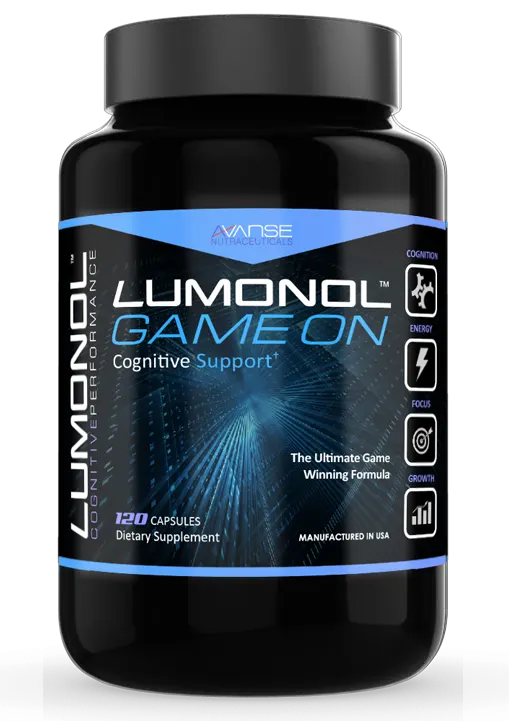
LumUltra Game On

Fuel Your Mind with Lumultra Game On

If you’re looking to beat fatigue, sharpen focus, and stay energized—without the jitters or crash that come with caffeine—Lumultra Game On offers a powerful, natural solution.

Formulated to support mental performance and clarity, Game On combines key nootropic ingredients known to enhance cognitive function and combat stress-related fatigue.

What’s Inside Lumultra Game On?

  • Rhodiola Rosea
    A fast-acting adaptogen that helps your body cope with physical and mental stress. Rhodiola has been shown to reduce fatigue, support emotional balance, and enhance both mental performance and stamina—perfect for long workdays or study sessions.
  • L-Theanine
    Naturally found in green tea, L-theanine promotes a calm yet alert mental state. It smooths out the edges of stress and enhances focus, helping you stay in the zone without overstimulation.
  • Blueberry Extract
    Packed with antioxidants, blueberries support brain health, memory, and long-term cognitive function. Studies suggest they may also help slow age-related mental decline by protecting brain cells from oxidative stress.

Break the Low-Energy, Distracted Cycle

Many of us rely on caffeine to get through the day, only to experience a crash later—or struggle with disrupted sleep. Lumultra Game On offers an effective, natural alternative designed to optimize your brain’s performance without the drawbacks of stimulants.

With the right habits—and the right support—you can break free from digital distraction and low energy. Empower your focus and mental clarity with Lumultra Game On.


Ready to level up your focus?
Learn more at Lumultra.com and explore our full range of brain-boosting supplements.

What’s Biohacking? All You Need To Know About The Latest Health Craze

Biohacking, also known as human augmentation or human enhancement, is do-it-yourself biology aimed at improving performance, health, and wellbeing through strategic interventions.

Some common biohacking techniques, like meditation and intermittent fasting, have been around since ancient times.

Other biohackers use a highly technical approach to engineering their own bodies while attempting to fix their flaws and make themselves superhuman.

And as technology for technical biohacking becomes more available on the market, do-it-yourself health opportunities get more and more extreme.

Why do people want to hack their bodies? Some do it because they don’t feel well and want to go beyond traditional medicine to address health concerns. Others want to use engineering to explore unconventional ideas and have full control over their own bodies. Still others do it because they want to try to halt the aging process and attempt to live forever.

If you’ve heard stories about people implanting chips into their appendages, using devices to shift their brainwaves to get better sleep, or putting butter in their morning coffee, that’s biohacking in action.

Twitter’s CEO Jack Dorsey, one of the world’s most famous and influential biohackers, endorses intermittent fasting, reportedly eating only one meal a day and fasting completely every week. Intermittent fasting is a common type of low-tech biohacking intended to regulate blood sugar and maintain a healthy weight.

Other biohackers look to their genes for ways to optimize their diet—a practice called nutrigenomics. There are nutrigenomics companies that can process your spit sample, evaluate your DNA for certain genetic markers, and send you back a personalized diet plan.

Using cold to burn fat is another common biohacking technique. Many biohackers believe that exposing the body to cold can help burn fat faster when you’re trying to drop weight, and they recommend ice baths, cold showers, or even cryotherapy (a technique that uses nitrogen to cool the body).

More Extreme Biohacking

Some biohackers go beyond taking supplements, adjusting their eating habits, and taking cold showers. They actually modify their own bodies with technology, a process known as human augmentation.

A subset of biohackers known as grinders turn themselves into cyborgs by embedding magnets, chips, or computers under their skin. For example, a person with an embedded chip in their hand might be able to open office doors or even pay for their daily latte using only a swipe of the wrist.

Ever wonder what it might be like to have a smartphone you don’t have to carry in your pocket? Embeddable devices that allow our brains to communicate directly with computers are also on the horizon. Think Google Glass, but without the glasses.

Then there are the biohackers who push medical procedures to the limit in their quest for health and longevity. Dave Asprey, founder of the multimillion-dollar Bulletproof brand, had a doctor harvest stem cells from his bone marrow and inject those cells into every joint in his body as part of his highly-publicized quest to live to 180 years old. He also regularly hangs out in a hyperbaric chamber, depriving his cells of oxygen to improve the function of his brain and muscle tissue and repair the damage of the normal aging process.

On the most extreme end of the biohacking spectrum, there are people trying out young blood transfusions (yes, it’s really a thing) and even inject themselves with genes they’ve edited with CRISPR technology.

Is Biohacking Bad?

Some of the most controversial biohacking practices are indeed getting a bad rap, but some do-it-yourself biology can actually be empowering. If you’re interested in biohacking, do your research and choose the technology and the personal practices that will help you reach your goals while minimizing risk and avoiding harm. The tech race to help biohackers continue to optimize their own bodies is not stopping anytime soon.

Bernard Marr, What’s Biohacking? All You Need To Know About The Latest Health Craze, February 26, 2021, Source: https://www.forbes.com/sites/bernardmarr/2021/02/26/whats-biohacking-all-you-need-to-know-about-the-latest-health-craze/.

The Future of Nootropics in the Workplace: Implications for Employee Well-being, Productivity, and Culture

A group of professionals working in an office setting.In today’s fast-paced and competitive work environment, it’s no surprise that many individuals are turning to nootropics to gain a cognitive edge. These supplements, which are designed to enhance cognitive function, have become increasingly popular among high-performing professionals in industries such as finance, technology, and entrepreneurship. As the use of nootropics continues to grow, it’s important to consider the potential implications of their use in the workplace, including their impact on employee well-being, productivity, and workplace culture.

Nootropics and its impact on employee well-being

One of the key areas where nootropics can have an impact is in employee well-being. While some nootropics are designed to reduce stress and anxiety (Lumultra Zen for example), others are designed to enhance productivity and energy ( Lumultra Game-On for example. For example, some natural ingredients in Zen such as Ashwagandha have been shown to reduce symptoms of anxiety and depression, improve mood, and promote relaxation. These benefits can have a positive impact on employee well-being, which can lead to increased job satisfaction, better work-life balance, and reduced burnout.

In addition to employee well-being, nootropics can also impact workplace productivity. When used correctly, nootropics can enhance cognitive function, improve focus, and boost creativity. For example, some nootropics such as Lumultra Original and Lumultra Nova have been shown to enhance cognitive function and improve memory, focus and energy, which can help employees be more productive and effective in their work. However, it’s important to note that not all nootropics are created equal, and some may have side effects that can actually impair productivity.

As the use of nootropics continues to grow, it’s also important to consider their impact on workplace culture. Some individuals may feel pressured to use nootropics to keep up with their colleagues, which can create a culture of competition and anxiety. Additionally, there may be ethical concerns around the use of nootropics in the workplace, particularly if they are used to give certain individuals an unfair advantage over others.

The future of nootropics in work place

So, what does the future of nootropics in the workplace look like? While there are certainly benefits to using nootropics to enhance cognitive function and productivity, it’s important to consider the potential risks and ethical implications of their use. Companies may need to create policies around the use of nootropics in the workplace to ensure that their employees are using them fairly and ethically. Additionally, more research is needed to fully understand the long-term effects of nootropic use on employee well-being and productivity.

Overall, while nootropics have the potential to enhance cognitive function and productivity in the workplace, it’s important to approach their use with caution. Seek out best natural nootropics, and supplements for the brain and memory, as the quality of these nootropics can play a role in supporting cognitive function, but it’s important to use them responsibly. By doing so, we can ensure that the future of nootropics in the workplace is one that supports employee well-being, productivity, and a positive workplace culture.

Use of nootropics in the workplace and some ethical concerns

Certainly, the use of nootropics in the workplace raises some ethical concerns when it comes to fair play. Nootropics can provide an unfair advantage to individuals who use them, particularly if they are used without medical supervision or in situations where they are prohibited by workplace policies.

In a workplace where some employees are using nootropics to gain a cognitive edge, it’s easy to see how this could create an uneven playing field. For example, an employee who is using a nootropic to enhance their focus and memory may be able to outperform their colleagues who are not using nootropics. This can create an unfair advantage that undermines the principles of fair play in the workplace.

To encourage fair play in the workplace, it’s important for companies to have policies around the use of nootropics. These policies can include guidelines on the use of cognitive enhancement supplements and may also require medical supervision for those who choose to use them. By having clear policies in place, companies can ensure that employees are aware of the expectations around the use of nootropics and can make informed decisions about their use.

Another way to encourage fair play in the workplace is to focus on promoting natural methods for enhancing cognitive function. While nootropics can be effective in enhancing cognitive function, there are also natural methods such as exercise, healthy eating, and getting enough sleep that can also be effective. By promoting these natural methods, companies can encourage a level playing field and create an environment where everyone has an equal opportunity to perform at their best.

In conclusion, while life may not always be fair, it’s important to encourage fair play in the workplace when it comes to the use of nootropics. Companies can do this by having clear policies in place, promoting natural methods for enhancing cognitive function, and ensuring that employees have equal opportunities to perform at their best. By doing so, companies can create a level playing field that supports a positive workplace culture and encourages employees to reach their full potential.

Brain Fog and Inflammation: The Surprising Link You Need to Know About

A person blowing their nose into a tissue, indicating allergy symptoms and the negative impact on quality of life.Spring allergies affect millions of people in the United States every year, causing a range of symptoms that can significantly impact quality of life.

According to the Asthma and Allergy Foundation of America, more than 50 million Americans experience allergies each year, and spring allergies are some of the most common. The main culprit behind spring allergies is pollen from trees, grasses, and weeds, which can trigger a range of symptoms like sneezing, runny nose, itchy eyes, and congestion.

The symptoms of spring allergies can be severe for some people, leading to a significant negative impact on their quality of life. Allergies can interfere with daily activities like work, school, and exercise, and they can cause fatigue and difficulty concentrating. For some people, allergies can even lead to depression and anxiety.

In addition to the physical symptoms, spring allergies can also affect mental health. Allergies can cause brain fog, memory problems, and difficulty concentrating, as we discussed earlier. This can be especially problematic for students and people who work in jobs that require a lot of focus and concentration.

Poor air quality during spring allergy season can also contribute to respiratory issues, which can exacerbate allergy symptoms and cause further health problems.

Overall, spring allergies are a significant health issue for millions of Americans, and they can have a real negative impact on quality of life. It’s important to take steps to manage allergy symptoms, such as avoiding allergens, taking medication, and incorporating natural supplements into your routine. With proper management, many people with spring allergies can find relief and improve their overall health and well-being.


What’s the connection between allergies and poor brain function?

Allergies can affect brain function through a variety of mechanisms, including inflammation, histamine release, and autoimmune reactions.

Inflammation is a key component of the allergic response, and it can affect the brain as well as other parts of the body. When the body detects an allergen, it launches an immune response that involves the release of inflammatory molecules like cytokines. These molecules can travel to the brain and cause inflammation there as well, leading to cognitive symptoms like brain fog, difficulty concentrating, and memory problems.

Histamine is another molecule that is involved in the allergic response, and it can also affect brain function. When the body detects an allergen, it releases histamine, which can cause a range of symptoms like itching, sneezing, and congestion. Histamine can also affect the brain, causing drowsiness and impairing cognitive function. In some people, histamine can even trigger anxiety or panic attacks.

Autoimmune reactions can also play a role in allergies affecting brain function. In some cases, allergies can trigger autoimmune reactions where the immune system mistakenly attacks healthy cells in the body, including those in the brain. This can lead to conditions like multiple sclerosis, which affects the nervous system and can cause cognitive symptoms like memory loss and difficulty thinking.

Overall, the mechanisms behind allergies affecting brain function are complex and can involve a range of biological processes. However, reducing inflammation and histamine levels, as well as supporting healthy immune function, may help improve cognitive symptoms associated with allergies. This can be achieved through a combination of lifestyle changes, medications, and natural supplements.


How does inflammation cause brain fog?

Inflammation has been shown to play a role in the development of brain fog. Brain fog is a type of cognitive dysfunction characterized by symptoms like forgetfulness, difficulty concentrating, and mental confusion. It is often described as feeling “foggy” or “cloudy” in the head.

Inflammation is the body’s response to injury, infection, or other threats, and it involves the release of pro-inflammatory cytokines. These cytokines can travel to the brain and cause inflammation there, leading to a range of cognitive symptoms, including brain fog.

One way that inflammation can lead to brain fog is by disrupting the function of the blood-brain barrier. The blood-brain barrier is a protective layer that separates the brain from the rest of the body and helps regulate the exchange of molecules between the blood and the brain. Inflammation can weaken the blood-brain barrier, allowing pro-inflammatory cytokines to enter the brain more easily and cause damage.

Inflammation can also affect neurotransmitter function, which is important for cognitive function. Neurotransmitters are chemicals that transmit signals between neurons in the brain. Inflammation can disrupt the balance of neurotransmitters, leading to cognitive symptoms like brain fog.

Chronic inflammation, which can result from conditions like allergies, autoimmune disorders, and chronic infections, has been linked to a higher risk of cognitive dysfunction and neurodegenerative diseases like Alzheimer’s. Reducing inflammation through lifestyle changes, medication, and natural supplements may help improve cognitive function and reduce the symptoms of brain fog.

In conclusion, inflammation can play a significant role in the development of brain fog by disrupting the blood-brain barrier and neurotransmitter function. Reducing inflammation through various means may help alleviate cognitive symptoms and improve overall brain function.

What are some of the supplements that can reduce inflammation?

Spring allergies can be a real challenge for those who suffer from them. Along with the usual symptoms such as sneezing, runny nose, and itchy eyes, allergies can also have an impact on your brain function. Inflammation caused by allergies can lead to brain fog, difficulty concentrating, and memory problems. But don’t worry, there are some natural supplements that can help.

Here are the top 5 vitamin supplements for brain health and memory that can remedy the cognitive symptoms of spring allergies:

  1. Lumultra Brain Oil: Pharma Grade Omega-3 Fatty Acids

Lumultra Brain Oil is a high-quality Omega-3 fatty acid supplement that is specifically designed to support brain health and cognitive function. The pharma-grade Omega-3 fatty acids in Lumultra Brain Oil are derived from wild-caught fish and are processed using a unique, cold-pressed extraction method to ensure maximum potency and purity. Omega-3 fatty acids have been shown to have anti-inflammatory effects that can reduce brain fog and improve memory.

  1. Vitamin D

Vitamin D is important for brain health, and it’s especially important for people with allergies who may spend more time indoors to avoid allergens. Vitamin D deficiency has been linked to cognitive decline, so taking a Vitamin D supplement may help improve brain function and memory.

  1. Probiotics

Probiotics can help improve gut health, which is linked to overall health and brain function. Some studies have suggested that probiotics may also help reduce inflammation in the body, which could help alleviate cognitive symptoms associated with allergies.

  1. Quercetin

Quercetin is a flavonoid found in many fruits and vegetables, and it has been shown to have anti-inflammatory effects. Some research has suggested that quercetin may help improve cognitive function in people with allergies. Quercetin can also be found in supplement form.

  1. Vitamin B-Complex

Vitamin B-Complex is a group of vitamins that work together to support brain health and cognitive function. B vitamins are important for energy production and neurotransmitter function. Taking a B-complex supplement may help improve brain function and memory.

Allergies can have an impact on your brain function, but there are natural supplements that can help. Lumultra Brain Oil is a pharma grade Omega-3 fatty acid supplement that has been shown to improve cognitive function and memory. Vitamin D, probiotics, quercetin, and Vitamin B-Complex are also great options for supporting brain health and reducing allergy-related cognitive symptoms. Incorporating these top 5 vitamin supplements into your daily routine may help you combat the cognitive effects of spring allergies and improve your overall brain function.

Sleep and Cognitive Health: Improving Brain Function in Seniors

Senior woman sleeping peacefully in a cozy bed with a soft pillow and blanket.As we age, our cognitive function naturally declines. However, there are ways to support our brain health and maintain cognitive function, and one of the most critical factors is sleep. Adequate sleep quantity and quality play an essential role in preserving cognitive function and preventing age-related cognitive decline. In this article, we’ll explore the impact of sleep on cognitive health, and share some strategies to improve sleep quality in seniors. We’ll also discuss the best brain supplements for seniors to enhance memory and cognitive function.

 

The Importance of Sleep for Cognitive Health

Sleep is critical for our physical and mental health, and it plays a vital role in cognitive function. During sleep, our brain performs several essential functions, including memory consolidation, learning, and cognitive processing. Lack of sleep or poor quality sleep can have adverse effects on our cognitive function, leading to memory problems, difficulty concentrating, and slower reaction times.

Sleep plays a crucial role in memory consolidation, which is the process by which our brain stores and strengthens memories. When we sleep, our brain replays and strengthens the connections between neurons that were formed during wakefulness. This process consolidates memories, making them more stable and easier to retrieve later.

Sleep also supports learning and cognitive processing. During sleep, our brain processes and organizes new information, helping us to make sense of what we learned during the day. Lack of sleep can impair our ability to learn and process new information effectively.

Strategies for Improving Sleep Quality in Seniors

As we age, our sleep patterns change, and we may experience difficulty falling asleep, staying asleep, or waking up too early. Here are some strategies that can help seniors improve sleep quality:

  1. Establish a Sleep Routine: Try to go to bed and wake up at the same time every day, even on weekends. A consistent sleep schedule can help regulate your body’s internal clock and improve sleep quality.
  2. Create a Relaxing Environment: Make sure your bedroom is dark, quiet, and cool. Consider using blackout curtains, earplugs, or a white noise machine to create a peaceful environment.
  3. Avoid Stimulants: Avoid caffeine, nicotine, and alcohol in the hours leading up to bedtime, as they can interfere with sleep quality.
  4. Limit Screen Time: Avoid using electronic devices such as smartphones, tablets, or laptops in bed, as the blue light emitted by these devices can disrupt sleep.
  5. Engage in Relaxation Techniques: Try relaxation techniques such as deep breathing, meditation, or yoga to help calm your mind and body before bed.


Best Brain Supplements for Seniors

In addition to the above strategies, taking brain supplements can also help improve cognitive function in seniors. Here are the top five brain supplements for seniors:

  1. Omega-3 Fatty Acids: Omega-3 fatty acids are essential for brain health and can help improve memory and cognitive function. They can be found in fatty fish, nuts, and seeds or taken in supplement form.
  2. B Vitamins: B vitamins, especially vitamin B6, B9 (folate), and B12, are crucial for brain health and cognitive function. They can be found in foods such as leafy greens, legumes, and fortified cereals, or taken in supplement form.
  3. Ginkgo Biloba: Ginkgo Biloba is an herbal supplement that has been shown to improve memory and cognitive function in seniors.


The link between chronic lack of sleep and an increased risk of developing Alzheimer’s disease

There is a growing body of research that suggests a link between chronic lack of sleep and an increased risk of developing Alzheimer’s disease. Alzheimer’s is a progressive neurological disorder that is characterized by the accumulation of abnormal proteins in the brain, which leads to the death of brain cells and a decline in cognitive function.

One of the hallmark features of Alzheimer’s disease is the accumulation of beta-amyloid protein in the brain. This protein forms clumps or plaques that can interfere with normal brain function. There is evidence to suggest that chronic sleep deprivation can increase the production of beta-amyloid protein, leading to an increased risk of Alzheimer’s disease.

During sleep, the brain undergoes a process called glymphatic clearance, which involves the removal of waste products, including beta-amyloid, from the brain. Glymphatic clearance is a process that is most active during deep sleep, and chronic sleep deprivation can disrupt this process, leading to the accumulation of beta-amyloid in the brain.

In addition, sleep deprivation can also lead to the activation of inflammation in the brain, which has been shown to contribute to the development of Alzheimer’s disease. Chronic inflammation in the brain can cause damage to brain cells and interfere with normal brain function, leading to cognitive decline.

Furthermore, sleep is also important for the consolidation of memories. During sleep, the brain processes and consolidates information, which is critical for learning and memory. Chronic sleep deprivation can interfere with this process, leading to difficulties in learning and memory retention.

Overall, the scientific evidence suggests that chronic lack of sleep can increase the risk of Alzheimer’s disease by promoting the accumulation of beta-amyloid protein, disrupting the glymphatic clearance process, and activating inflammation in the brain. Therefore, it is important to prioritize good sleep hygiene and ensure that seniors are getting adequate and quality sleep to maintain cognitive health as they age.


Improving Cognitive Health with Lumultra Luna: A Natural Solution to Sleep Problems

Lumultra Luna is an all-natural nootropic supplement that offers a solution to the sleep problems that can lead to cognitive decline and an increased risk of Alzheimer’s disease. Luna’s unique blend of natural ingredients is designed to swiftly send you into a relaxed state, helping you fall asleep faster and stay asleep longer.

Unlike traditional sleep aids that can be habit-forming and lead to dependency, Lumultra Luna is melatonin-free and non-habit forming. This means that you can use it regularly to support your sleep without worrying about addiction or withdrawal symptoms.

The importance of good sleep hygiene for cognitive health cannot be overstated. Chronic lack of sleep can lead to the accumulation of beta-amyloid protein, disrupt the glymphatic clearance process, and activate inflammation in the brain, all of which can increase the risk of Alzheimer’s disease. In addition, poor sleep quality can lead to difficulties in learning and memory retention, decreased attention and focus, and an overall decline in cognitive function.

Lumultra Luna offers a safe and effective solution to these problems. By promoting relaxation and helping you fall asleep faster, Luna can improve the quality and quantity of your sleep. As a result, you’ll wake up feeling refreshed, sharp, and alert, ready to take on the day with your cognitive function at its best.

Furthermore, Lumultra Luna’s all-natural formula means that you can rest easy knowing that you’re not putting harmful chemicals or artificial ingredients into your body. Luna contains natural ingredients such as valerian root, passionflower, chamomile, and lemon balm, which have been used for centuries to promote relaxation and improve sleep quality.

In conclusion, if you’re struggling with sleep problems that are impacting your cognitive function and overall health, Lumultra Luna offers a safe and effective solution. Its all-natural formula promotes relaxation and supports healthy sleep patterns, without the risk of habit-forming or dependency. By taking Lumultra Luna, you can prioritize good sleep hygiene and support your cognitive health as you age.

Sleep plays a critical role in cognitive function, and everyone, especially seniors can benefit from improving their sleep quality to maintain cognitive function and prevent age-related cognitive decline. Establishing a sleep routine, creating a relaxing sleep environment, avoiding stimulants, limiting screen time, and engaging in relaxation techniques are strategies that can help improve sleep quality in seniors.

In addition, brain supplements and natural nootropics can also help improve cognitive function in seniors. Omega-3 fatty acids, B vitamins, Ginkgo Biloba, Bacopa Monnieri, and Rhodiola Rosea are some of the best brain supplements for seniors. Lion’s Mane Mushroom, Ashwagandha, Bacopa Monnieri, Ginkgo Biloba, and Rhodiola Rosea are some of the best natural nootropics for seniors.

Lastly, for seniors who struggle with sleep problems, Lumultra Luna provides an all-natural solution to promote relaxation and healthy sleep patterns. Luna’s melatonin-free formula allows for regular use without the risk of habit-forming or dependency, so seniors can prioritize good sleep hygiene and support their cognitive health. By incorporating Luna and the other strategies mentioned into their daily routine, seniors can improve their sleep quality and maintain their cognitive function as they age. So, start taking control of your cognitive health today by incorporating Lumultra Luna into your sleep routine and following these other effective strategies.

By incorporating these strategies and supplements into their lifestyle, seniors can support their brain health and maintain cognitive function as they age.

Unlocking the Power of Mind-Body Practices for Improved Brain Health

An image of a person meditating with their eyes closed, surrounded by greenery and natural scenery. This image represents the power of mind-body practices in improving brain health and cognitive function.The Power of Mind-Body Practices: How Meditation and Yoga Can Improve Brain Health and Cognitive Function

 

When it comes to improving brain health and cognitive function, many people turn to supplements and vitamins as a quick fix. However, recent research has shown that the power to unlock our brain’s full potential may lie in the practice of mind-body techniques such as meditation and yoga.

Meditation and yoga are both practices that focus on the connection between the mind and body. They both involve techniques that aim to calm the mind, reduce stress, and promote relaxation. These practices have been shown to improve brain health and cognitive function in a variety of ways.

Meditation involves sitting quietly and focusing on the present moment. It has been shown to improve attention and concentration, reduce anxiety and depression, and improve sleep quality. One study published in the journal Frontiers in Human Neuroscience found that just eight weeks of mindfulness meditation resulted in increased gray matter density in areas of the brain associated with memory, learning, and emotion regulation.

Yoga, on the other hand, combines physical movement with meditation and breathing techniques. It has been shown to improve flexibility, balance, and strength, as well as reduce stress and anxiety. A study published in the Journal of Alzheimer’s Disease found that practicing yoga regularly may improve cognitive function in older adults with mild cognitive impairment.


Breathe Your Way to Better Cognitive Health: The Benefits of Breathing Techniques for Brain Function

Breathing techniques are an integral part of mind-body practices like meditation and yoga, and have been shown to have a positive impact on cognitive health as well. Deep breathing, in particular, can help reduce stress and anxiety, lower blood pressure, and improve lung function. It has also been shown to improve cognitive function and mental clarity. One study published in the journal Frontiers in Psychology found that just a few minutes of deep breathing exercises improved participants’ working memory, executive function, and overall cognitive performance. Another study published in the Journal of Neurophysiology found that deep breathing increased blood flow to areas of the brain involved in attention and decision-making. By incorporating breathing techniques into your daily routine, you can support your brain health and improve cognitive function in a natural and effective way.


The Cognitive Benefits of Cardio Exercise: How Regular Activity Can Improve Brain Health and Function

In addition to mind-body practices and breathing techniques, cardio exercise has also been shown to improve cognitive health. Exercise increases blood flow and oxygen delivery to the brain, which can improve brain function and cognitive performance. Regular cardio exercise has been shown to improve memory, attention, and executive function in both young and older adults. One study published in the Journal of the American Geriatrics Society found that seniors who participated in regular moderate-intensity exercise had better cognitive function and a lower risk of developing dementia compared to those who did not exercise. Another study published in the journal Neurology found that middle-aged adults who engaged in regular cardio exercise had better cognitive function and less brain shrinkage over time compared to those who did not exercise. By incorporating regular cardio exercise into your daily routine, you can support your brain health and improve cognitive function in a natural and effective way.


Beyond Bacopa Monnieri: Exploring the Benefits of Nootropic Supplements like Noopept for Brain Health

While supplements such as Bacopa Monnieri have been touted as natural nootropics to improve brain health, there are other options such as noopept. Noopept is a synthetic nootropic that has been shown to improve memory and cognitive function, as well as reduce anxiety and depression. One study published in the journal Neuroscience Letters found that noopept improved cognitive function and memory in patients with mild cognitive impairment.

In terms of supplements specifically designed to support brain and memory health, Lumultra and Alpha Brain are popular options. Lumultra contains a blend of natural nootropics and brain-boosting compounds, including noopept, to support cognitive function. Alpha Brain contains a blend of natural ingredients such as bacopa monnieri and alpha-GPC to support focus, memory, and cognitive function.

It’s important to note that while supplements and vitamins can be helpful, they should not be relied upon as a replacement for a healthy lifestyle. Incorporating mind-body practices such as meditation and yoga into your daily routine can have a significant impact on brain health and cognitive function. So why not give them a try and unlock the full potential of your brain?

How Elite Gamers are Using Nootropics to Boost Their Focus and Productivity

How Elite Gamers are Using Nootropics to Boost Their Focus and ProductivityGaming requires a significant amount of mental power

Gaming involves a variety of cognitive processes such as attention, memory, decision making, problem solving, and strategic thinking. Here are some of the reasons why gaming requires so much mental power:

  1. Attention: Gaming demands a high level of attention as players need to stay focused on the game environment, constantly monitoring their surroundings, and anticipating future events.
  2. Memory: Games often require players to remember large amounts of information, such as maps, enemy locations, and quest objectives. This requires both short-term and long-term memory skills.
  3. Decision making: In gaming, players must make quick and accurate decisions based on the information available to them. These decisions can have significant consequences on the outcome of the game.
  4. Problem solving: Many games involve complex problems that require players to use their problem-solving skills to overcome obstacles and complete objectives.
  5. Strategic thinking: In games that involve multiplayer competition, players need to think strategically and make tactical decisions to outsmart their opponents.
  6. Perseverance: Gaming can be challenging and frustrating at times, and players need to have the mental resilience to keep trying even when they face setbacks and obstacles.
  7. Multitasking: Some games require players to multitask, such as managing resources, controlling multiple characters, and monitoring different parts of the game environment simultaneously.

Overall, gaming requires a combination of mental skills that can be challenging to master, and it is this complexity that makes it so engaging and rewarding for many players.

Other Cognitively Demanding Activities

Gaming is similar to many other intense activities such as hosting a meeting, giving a speech, and taking a final exam in several ways:

  1. Focus: In all of these activities, focus and concentration are critical. Players need to pay close attention to the game environment, just as speakers need to concentrate on delivering their message and exam takers need to focus on answering questions accurately.
  2. Preparation: All of these activities require preparation. Players need to research the game, learn the rules, and practice their skills. Speakers need to prepare their speech, research their topic, and practice their delivery. Exam takers need to review their notes, study the material, and practice answering questions.
  3. Decision making: All of these activities require decision making skills. Players need to make decisions quickly and accurately based on the information available to them. Speakers need to make decisions about what to say and how to say it. Exam takers need to make decisions about which questions to answer first and how much time to allocate to each question.
  4. Mental stamina: All of these activities require mental stamina. Players need to stay focused and alert for extended periods of time. Speakers need to maintain their energy and enthusiasm throughout their presentation. Exam takers need to stay focused and attentive for several hours.
  5. Stress management: All of these activities can be stressful, and players, speakers, and exam takers need to manage their stress effectively to perform at their best.
  6. Performance evaluation: In all of these activities, performance is evaluated. Players are judged based on their score, speakers are judged based on their delivery and message, and exam takers are judged based on their answers.

Overall, these activities require similar mental skills and can be equally challenging and rewarding. They demand focus, preparation, decision making, mental stamina, stress management, and performance evaluation.

Powerful Nootropics

When it comes to gaming, elite players know that focus and productivity are key to success. That’s why more and more gamers are turning to nootropics to give them an extra boost. Nootropics are cognitive enhancers that can help improve memory, focus, creativity, and overall brain function. In this blog, we’ll explore the top 5 brain supplement ingredients and best natural nootropics that elite gamers are using to improve their gaming performance.

  1. Caffeine

Caffeine is one of the most popular nootropics used by gamers. It’s a natural stimulant that can help increase alertness and concentration. It’s also been shown to improve reaction time and decision-making skills, making it a popular choice for competitive gaming.

  1. L-Theanine

L-Theanine is an amino acid found in green tea that has been shown to improve cognitive function and reduce stress. When combined with caffeine, it can provide a powerful boost to focus and concentration, without the jitters or crash that can come with caffeine alone.

  1. Bacopa Monnieri

Bacopa Monnieri is an herb that has been used in Ayurvedic medicine for centuries. It’s been shown to improve memory, reduce anxiety, and enhance cognitive function. It’s a popular nootropic among gamers looking to improve their long-term memory and learning ability.

  1. Omega-3 Fatty Acids

Omega-3 fatty acids are essential nutrients that are important for brain health. They’ve been shown to improve cognitive function, reduce inflammation, and improve mood. They’re often found in fatty fish like salmon, but can also be taken as a supplement.

  1. Rhodiola Rosea

Rhodiola Rosea is an herb that has been used for centuries in traditional medicine. It’s been shown to improve mood, reduce fatigue, and enhance cognitive function. It’s a popular nootropic among gamers looking to improve their focus and productivity.

Over all, nootropics can be a powerful tool for gamers looking to improve their focus, productivity, and overall gaming performance. The top 5 brain supplements and best natural nootropics we’ve discussed in this blog are just a few of the many options available. When considering any new supplement, it’s important to do your research and talk to your doctor or a qualified healthcare professional to make sure it’s right for you.

So, what are you waiting for? Start exploring the world of nootropics and see how they can help take your gaming skills to the next level!


Find Your Zen with Natural Nootropics: The All-Natural Way to Reduce Anxiety and Boost Brain Power

Find Your Zen with Natural NootropicsThe benefit of Ashwagandha

Are you looking for ways to improve your brain health and productivity? Whether you’re a student, a working professional, or a senior, cognitive decline can be a real challenge. Fortunately, there are many natural supplements that can help support your brain function and keep you sharp. In this article, we’ll explore the benefits of ashwagandha for brain health and productivity.

Vitamin supplements are a popular way to support brain health. Vitamins B6, B12, and folate, in particular, are known to play a role in cognitive function. However, many people overlook the importance of minerals like magnesium and zinc, which are also essential for brain health.

As we age, our cognitive function naturally declines. Seniors may benefit from supplements that support brain health and memory. Ashwagandha has been shown to improve cognitive function in older adults, making it a promising supplement for seniors.

When it comes to top brain supplements, there are many options to choose from. Some of the most popular supplements for brain health include omega-3 fatty acids, ginkgo biloba, and acetyl-L-carnitine. Ashwagandha is another natural nootropic that can support brain health and productivity.

Nootropics are supplements that can enhance cognitive function, including memory, focus, and motivation. While there are many synthetic nootropics available, natural nootropics like ashwagandha are a safer and more sustainable option.

If you’re looking for a supplement that can support both brain function and memory, ashwagandha is a great choice. This adaptogenic herb has been shown to improve memory and cognitive function in both young and old adults.

Overall, ashwagandha is a powerful supplement for brain health and productivity. Whether you’re a student, a working professional, or a senior, this natural nootropic can help support your cognitive function and keep you sharp. Consider adding ashwagandha to your supplement routine to experience its many benefits.


The benefit of Apple cider vinegar (ACV)

Apple cider vinegar (ACV) is known for its many health benefits, including its ability to improve focus and productivity. ACV contains acetic acid, which can help regulate blood sugar levels and improve digestion. These benefits can have a positive impact on cognitive function, making ACV an excellent natural supplement for those looking to improve their focus and productivity.

One way that ACV improves cognitive function is by regulating blood sugar levels. When blood sugar levels are unstable, it can cause fluctuations in energy levels and difficulty concentrating. ACV can help stabilize blood sugar levels by slowing down the absorption of carbohydrates in the digestive system. This can help prevent energy crashes and improve focus throughout the day.

ACV can also improve digestion, which can have a positive impact on cognitive function. Poor digestion can lead to feelings of sluggishness and brain fog, which can interfere with productivity. By improving digestion, ACV can help increase nutrient absorption and support overall brain health.

In addition to these benefits, ACV also contains antioxidants that can protect the brain from oxidative stress. Oxidative stress has been linked to cognitive decline and can negatively impact productivity. By protecting the brain from oxidative stress, ACV can help improve cognitive function and productivity.

Overall, ACV is an excellent natural supplement for improving focus and productivity. By regulating blood sugar levels, improving digestion, and protecting the brain from oxidative stress, ACV can help support cognitive function and boost productivity. Consider adding ACV to your supplement routine to experience these benefits for yourself.


The powerful marriage between ashwagandha and ACV

One of the benefits of ashwagandha is that it’s a natural supplement. Unlike synthetic nootropics, ashwagandha is a plant-based supplement that has been used for centuries in Ayurvedic medicine. This adaptogenic herb helps the body manage stress and reduce inflammation, which can improve overall brain function.

Another natural supplement that works well with ashwagandha is apple cider vinegar (ACV). ACV is known for its many health benefits, including improved digestion, weight loss, and lower blood sugar levels. When combined with ashwagandha, ACV can help support brain health and productivity.

So why do ashwagandha and ACV work well together? One reason is that both supplements can help reduce inflammation in the body. Chronic inflammation has been linked to a range of health issues, including cognitive decline. By reducing inflammation, ashwagandha and ACV can help improve brain function and protect against age-related cognitive decline.

Additionally, ACV is rich in acetic acid, which has been shown to improve the absorption of minerals like magnesium and zinc. These minerals are important for brain health and cognitive function, and ashwagandha is a good source of both. By improving mineral absorption, ACV can help maximize the benefits of ashwagandha for brain health and productivity.

Overall, combining natural supplements like ashwagandha and ACV can be a powerful way to support your brain health and productivity. By reducing inflammation and improving mineral absorption, these supplements can help improve cognitive function and protect against age-related cognitive decline. Consider adding ashwagandha and ACV to your supplement routine to experience their many benefits naturally.


Mood regulation and anxiety reduction

In addition to improving brain function and productivity, the combination of ashwagandha and apple cider vinegar (ACV) can also have a positive impact on mood. Both supplements are known for their calming properties and can help regulate mood and reduce anxiety.

Ashwagandha is an adaptogenic herb that helps the body manage stress. It has been shown to reduce cortisol levels, a hormone associated with stress and anxiety. By reducing cortisol levels, ashwagandha can help promote feelings of calm and relaxation.

Similarly, ACV can also have a calming effect on the body. ACV contains acetic acid, which can help regulate blood sugar levels and reduce inflammation. This can help reduce anxiety and promote a sense of calm.

When combined, ashwagandha and ACV can have a powerful effect on mood regulation. By reducing stress and anxiety, these supplements can help improve overall well-being and promote feelings of calm and relaxation. This can have a positive impact on productivity, as a calm and focused mind is better equipped to handle the demands of daily life.

Over all, the combination of ashwagandha and ACV is a natural and effective way to support brain health, productivity, and mood. These supplements can help reduce stress and anxiety, promote feelings of calm, and improve cognitive function. Consider incorporating ashwagandha and ACV into your supplement routine to experience their many benefits.


Start Protecting Your Brain from Cognitive Decline and Dementia Today: The Essential Guide to Nootropics and Brain-Boosting Supplements for Seniors

Best omega-3 fatty acids for seniorsAs we age, our brain function declines, which can lead to cognitive impairments such as memory loss, difficulty concentrating, and reduced mental clarity. While aging is inevitable, there are ways to slow down the decline in brain function, and one such way is through the use of nootropics.


Nootropics, also known as cognitive enhancers, are supplements that can boost brain function, improve memory, and enhance cognitive abilities. In recent years, there has been growing interest in the use of nootropics for seniors, particularly omega-3 fatty acids and vitamin D supplements, which have been shown to have significant benefits in reducing the risk of cognitive decline and dementia.

In this article, we will explore the benefits of omega-3 fatty acids and vitamin D supplements in reducing the risk of cognitive decline and dementia in seniors, and we will also look at other brain-boosting pills and mental clarity supplements that can help seniors maintain optimal brain function.

Benefits of Omega-3 Fatty Acids in Reducing Cognitive Decline

Omega-3 fatty acids are essential fatty acids that play a vital role in brain function. The brain is made up of 60% fat, and omega-3 fatty acids are one of the most important types of fat for brain health. Omega-3 fatty acids, particularly EPA and DHA, have been shown to have significant benefits in reducing cognitive decline and dementia in seniors.

Research has shown that omega-3 fatty acids can improve memory, reduce the risk of depression, and slow down cognitive decline. In a study conducted by the University of California, it was found that seniors who had higher levels of omega-3 fatty acids in their blood had better cognitive function than those who had lower levels. Another study published in the Journal of Alzheimer’s Disease found that a diet rich in omega-3 fatty acids can help reduce the risk of developing Alzheimer’s disease.

In addition to reducing the risk of cognitive decline and dementia, omega-3 fatty acids can also help improve mood and reduce the risk of depression. Depression is a common problem among seniors, and it can have a significant impact on their quality of life. Research has shown that omega-3 fatty acids can help improve mood and reduce the symptoms of depression.

The Benefits of Vitamin D Supplements in Reducing Cognitive Decline

Vitamin D is an essential vitamin that plays a crucial role in bone health and immune function. In recent years, there has been growing interest in the role of vitamin D in brain health, and research has shown that vitamin D supplements can have significant benefits in reducing cognitive decline and dementia in seniors.

Research has shown that low levels of vitamin D are associated with an increased risk of cognitive decline and dementia. A study conducted by the University of Exeter found that seniors with low levels of vitamin D had a higher risk of developing dementia. Another study published in the Journal of Geriatric Psychiatry and Neurology found that vitamin D supplements can improve cognitive function in seniors.

In addition to reducing the risk of cognitive decline and dementia, vitamin D supplements can also help improve mood and reduce the risk of depression. Research has shown that low levels of vitamin D are associated with an increased risk of depression, and vitamin D supplements can help improve mood and reduce the symptoms of depression.

Other Brain-Boosting Pills and Mental Clarity Supplements for Seniors

In addition to omega-3 fatty acids and vitamin D supplements, there are other brain-boosting pills and mental clarity supplements that can help seniors maintain optimal brain function. Here are some of the best brain supplements for seniors:

  1. Ginkgo Biloba

Ginkgo Biloba is a popular herb that has been used for thousands of years to improve memory and cognitive function. It is believed to work by increasing blood flow to the brain, which can improve cognitive function and reduce the risk of cognitive decline.

Several studies have shown that Ginkgo Biloba can improve memory and cognitive function in seniors. A study published in the Journal of Psychopharmacology found that Ginkgo Biloba can improve memory and attention in healthy seniors. Another study published in the Journal of the American Medical Association found that Ginkgo Biloba can reduce the risk of dementia in seniors.

  1. Bacopa Monnieri

Bacopa Monnieri is a herb that has been used in Ayurvedic medicine for thousands of years to improve cognitive function. It is believed to work by increasing the production of neurotransmitters, which can improve cognitive function and reduce the risk of cognitive decline.

Several studies have shown that Bacopa Monnieri can improve memory and cognitive function in seniors. A study published in the Journal of Alternative and Complementary Medicine found that Bacopa Monnieri can improve memory and cognitive function in healthy seniors. Another study published in the Journal of Psychopharmacology found that Bacopa Monnieri can improve cognitive function in seniors with mild cognitive impairment.

  1. Curcumin

Curcumin is the active ingredient in turmeric, which is a spice commonly used in Indian cuisine. Curcumin has been shown to have anti-inflammatory and antioxidant properties, which can improve brain function and reduce the risk of cognitive decline.

Several studies have shown that Curcumin can improve memory and cognitive function in seniors. A study published in the Journal of Psychopharmacology found that Curcumin can improve memory and attention in healthy seniors. Another study published in the American Journal of Geriatric Psychiatry found that Curcumin can improve cognitive function in seniors with mild cognitive impairment.

  1. Resveratrol

Resveratrol is a compound found in red wine and grapes that has been shown to have antioxidant and anti-inflammatory properties. It is believed to work by improving blood flow to the brain, which can improve cognitive function and reduce the risk of cognitive decline.

Several studies have shown that Resveratrol can improve memory and cognitive function in seniors. A study published in the Journal of Neuroscience found that Resveratrol can improve memory and cognitive function in healthy seniors. Another study published in the Journal of Clinical Endocrinology and Metabolism found that Resveratrol can improve cognitive function in seniors with mild cognitive impairment.

Choosing the Best Brain Supplement for Seniors

When it comes to choosing the best brain supplement for seniors, there are several factors to consider. First and foremost, it is important to choose a supplement that has been clinically tested and shown to be effective in improving brain function and reducing the risk of cognitive decline.

It is also important to choose a supplement that is safe and does not have any negative side effects. Some supplements, such as Ginkgo Biloba, can cause headaches and other side effects in some people, so it is important to choose a supplement that is well-tolerated.

Lastly, it is important to choose a supplement that is affordable and easily accessible. Many brain supplements can be expensive and difficult to find, so it is important to choose a supplement that is affordable and widely available.

Conclusion

In conclusion, omega-3 fatty acids and vitamin D supplements are among the best nootropics that have been shown to reduce the risk of cognitive decline and dementia in seniors. In addition to these two supplements, there are several other brain-boosting pills and mental clarity supplements that can help seniors maintain optimal brain function.