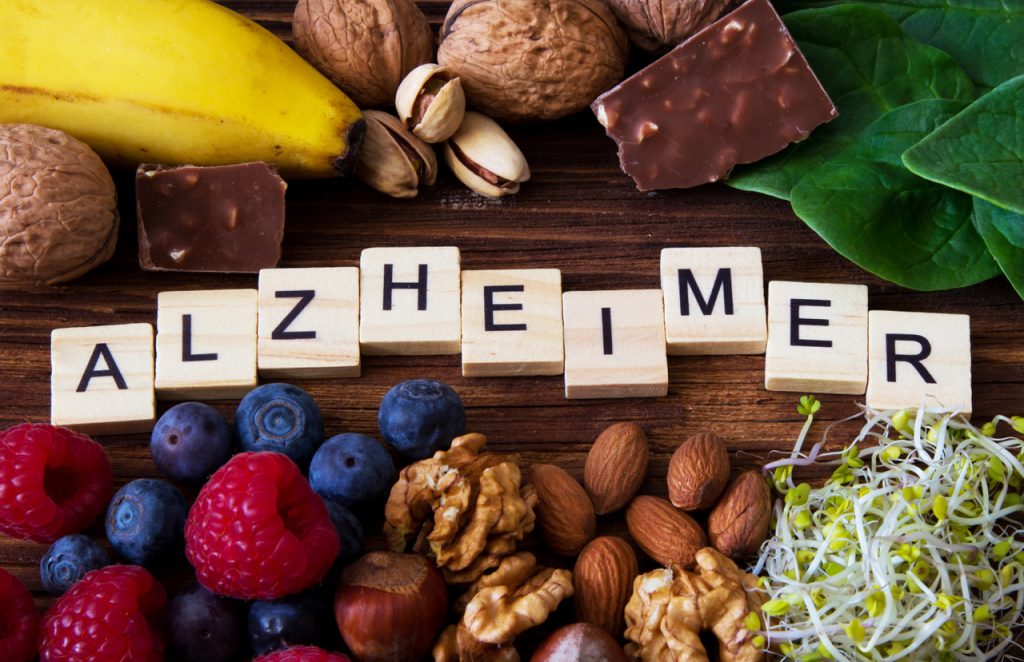
The Surprising Truth About the Effect of Veganism on Brain Health and Cognition: Uncovering the Pros and Cons

Effect of Veganism on Brain Health and CognitionIn recent years, the popularity of veganism has skyrocketed, with millions of people around the world embracing this lifestyle for ethical, environmental, and health reasons. While the benefits of a plant-based diet are widely recognized, some people are still skeptical about its impact on brain health and cognition. In this article, we will explore the latest research and evidence on the impact of veganism on brain function, including the best supplements for the brain and memory, the best nootropics for focus, and tips for optimizing brain health on a vegan diet.

The Connection Between Veganism and Brain Health

There is a growing body of evidence that suggests that a plant-based diet can have a positive impact on brain health. A well-planned vegan diet can provide all the essential nutrients that are required for optimal brain function, including vitamins, minerals, and antioxidants. Some of the key nutrients that are critical for brain health and cognitive function include B-vitamins, vitamin E, iron, and omega-3 fatty acids. These nutrients can be found in a variety of plant-based foods, such as nuts, seeds, leafy greens, and whole grains.

In addition to providing essential nutrients, a vegan diet is also associated with a lower risk of chronic conditions, such as heart disease, type 2 diabetes, and some types of cancer, which can have a negative impact on brain health. A plant-based diet has also been shown to have a positive impact on inflammation, which is a known risk factor for brain aging and cognitive decline.

While there are many potential benefits of a vegan diet for brain health and cognition, there are also some potential drawbacks to consider. Here are some of the ways in which a vegan diet can have a negative impact on brain health:

  1. Nutrient Deficiencies: A poorly planned vegan diet can result in deficiencies in key nutrients, such as B12, omega-3 fatty acids, and iron, which are critical for brain health and cognitive function. If not addressed, these deficiencies can have a negative impact on brain function and increase the risk of cognitive decline.
  2. Lack of Variety: A vegan diet that is limited in variety can result in a lack of essential nutrients that are required for optimal brain function. It’s important for vegans to eat a variety of plant-based foods, such as nuts, seeds, leafy greens, and whole grains, to ensure that they are getting all the essential nutrients that they need.
  3. Increased Exposure to Toxins: Some plant-based foods, such as soy, can contain high levels of toxins, such as phytoestrogens, that have been linked to hormonal imbalances and cognitive decline. It’s important for vegans to choose organic and non-GMO soy products to minimize their exposure to these toxins.
  4. Increased Risk of Oxidative Stress: A vegan diet that is high in processed foods and refined carbohydrates can increase the risk of oxidative stress, which can have a negative impact on brain health and cognitive function. It’s important for vegans to focus on eating a variety of whole, plant-based foods and to limit their intake of processed foods and refined carbohydrates.

While a well-planned vegan diet can have many potential benefits for brain health and cognition, it’s important for vegans to be mindful of the potential drawbacks and to take steps to ensure that they are getting all the essential nutrients that they need. By eating a variety of whole, plant-based foods and supplementing their diet as needed, vegans can help to optimize their brain health and cognitive function.

What Are Some of The Tips for Optimizing Brain Health on an Vegan Diet?


A vegan diet can provide many benefits for brain health and cognition, but it’s important to make sure that your plant-based diet is well-planned to optimize your brain health. Here are some tips for optimizing brain health on a vegan diet:

  1. Get Enough B12: Vitamin B12 is essential for brain health, and it’s important for vegans to make sure that they are getting enough of this nutrient. B12 can be found in fortified cereals, plant-based milks, and yeast extract, or it can be taken as a supplement.
  2. Eat a Variety of Whole Foods: Eating a variety of whole, plant-based foods is key to optimizing brain health on a vegan diet. Make sure to include plenty of leafy greens, nuts, seeds, whole grains, and legumes in your diet to get all the essential nutrients that you need.
  3. Limit Processed Foods and Refined Carbohydrates: Processed foods and refined carbohydrates can have a negative impact on brain health and cognitive function, so it’s important to limit your intake of these foods on a vegan diet. Focus on eating whole, minimally processed foods to help optimize your brain health.
  4. Get Enough Omega-3 Fatty Acids: Omega-3 fatty acids are essential for brain health and cognitive function, and they can be found in plant-based sources such as flaxseeds, chia seeds, and walnuts. Consider taking an omega-3 supplement if you are not getting enough of these essential fatty acids from your diet.
  5. Stay Hydrated: Staying hydrated is important for overall health, and it’s especially important for brain health. Make sure to drink plenty of water throughout the day to help keep your brain hydrated and functioning at its best.
  6. Exercise Regularly: Regular exercise has been shown to improve brain health and cognitive function. Aim to get at least 30 minutes of physical activity most days of the week to help optimize your brain health on a vegan diet.

Basically an vegan diet can be a great way to support brain health and cognition, but it’s important to make sure that your plant-based diet is well-planned and balanced to optimize your brain health. By following these tips and eating a variety of whole, plant-based foods, you can help keep your brain healthy and functioning at its best.

What are Some of the Supplements for the Brain and Memory?

While a well-planned vegan diet can provide all the nutrients that are required for optimal brain function, some people may find that they need to supplement their diet with specific nutrients in order to optimize their brain health. Here are some of the best supplements for the brain and memory that can be beneficial for vegans:

  1. B-Vitamins: B-vitamins, such as B12 and folic acid, are critical for brain health and cognitive function. Vegans are at risk of B12 deficiency, as this vitamin is found primarily in animal-based foods. A B12 supplement can help to prevent a deficiency and optimize brain health.
  2. Omega-3 Fatty Acids: Omega-3 fatty acids are essential for brain health and cognitive function. While vegans can get enough omega-3s from flaxseeds and chia seeds, some people may prefer to supplement with a plant-based omega-3 supplement, such as algae-based DHA.
  3. Antioxidants: Antioxidants, such as vitamin E, can help to protect the brain from oxidative stress and support brain health. Nuts and seeds are good sources of vitamin E for vegans.

What Are Some of The Best Nootropics for Focus and Memory?

Nootropics are cognitive-enhancing supplements that are designed to improve focus, memory, and mental clarity. Here are some of the best nootropics for focus that are suitable for vegans:

  1. Noopept: The core ingredient powering Lumultra. Noopept is a nootropic supplement that is commonly used to improve cognitive function, including memory and focus. Noopept is thought to work by increasing the levels of neurotransmitters, such as acetylcholine, in the brain, which are important for cognitive function.
  2. Ginkgo Biloba: Ginkgo Biloba is an herb that has been shown to improve blood flow to the brain, which can help to improve focus and mental clarity.
  3. Omega-3 fatty acids: Omega-3 fatty acids are a type of polyunsaturated fatty acid that are essential for good health. They are called “essential” because the body cannot produce them and must obtain them through the diet. Omega-3 fatty acids are found in high concentrations in certain types of fatty fish, such as salmon and sardines, as well as in plant-based sources, such as flaxseed, chia seeds, and walnuts. Omega-3 fatty acids are important for many aspects of health, including heart health, joint health, and brain health. They have also been shown to have potential benefits for brain health and cognitive function. For example, research has found that omega-3 fatty acids may help to improve memory, mood, and mental clarity, as well as to reduce the risk of age-related cognitive decline. It is important to note that not all omega-3 fatty acids are created equal, and the specific types and amounts of omega-3 fatty acids can vary depending on the source. The two most important types of omega-3 fatty acids for human health are eicosapentaenoic acid (EPA) and docosahexaenoic acid (DHA).

Basically, supplements can play a role in supporting brain health and cognitive function, but it is important to research them to understand their potential benefits. While some supplements, such as omega-3 fatty acids and Noopept, have been shown to have potential benefits for brain health, others, such as Lion’s Mane, have limited evidence on their safety and efficacy.

The Surprising Link between EWG’s Dirty Dozen and Cognitive Decline in American Adults

EWG's Dirty Dozen and Cognitive Decline in American AdultsThe EWG’s Dirty Dozen is a list of fruits and vegetables that are known to contain high levels of pesticides. This is a growing concern for the health of American adults, as exposure to these toxins can have negative impacts on overall health, including cognitive function.

Recent studies have shown that pesticides can have a detrimental effect on brain health, including cognitive decline and memory loss. This growing concern has led to an increase in the popularity of brain-enhancing supplements, such as nootropics and supplements for the brain and memory. These products aim to counteract the harmful effects of pesticides and support optimal brain health.

The harmful effects of pesticides on the brain, including cognitive decline and memory loss

Pesticides are chemicals used to protect crops from pests, but they can also have harmful effects on human health. The brain is particularly sensitive to the toxic effects of pesticides, and exposure to these chemicals has been linked to cognitive decline and memory loss in both animals and humans.

Studies have shown that exposure to pesticides can affect the brain’s ability to function properly and cause damage to the nervous system. Pesticides can interfere with the normal functioning of neurotransmitters, the chemicals that transmit signals between nerve cells in the brain, leading to cognitive impairment. They can also cause inflammation in the brain, leading to oxidative stress and neuronal death, both of which are associated with cognitive decline and memory loss.

In addition to the direct effects of pesticides on the brain, they can also impact the development of the brain in fetuses, children, and adolescents. Prenatal exposure to pesticides has been linked to lower IQ scores, poor memory, and attention problems in children. Children are particularly susceptible to the toxic effects of pesticides as their bodies are still developing and they have a higher intake of pesticides per body weight compared to adults.

Long-term exposure to pesticides has also been linked to an increased risk of neurological diseases such as Parkinson’s disease and Alzheimer’s disease. The exact mechanisms by which pesticides contribute to these conditions are not yet fully understood, but research suggests that the toxic effects of pesticides on the brain play a role in their development.

Exposure to pesticides can have a significant impact on brain health and function, leading to cognitive decline and memory loss. It’s important to be mindful of the potential harmful effects of pesticides and take steps to limit exposure, such as consuming organically grown produce and using brain-enhancing supplements to counteract their negative effects.

Specific examples of fruits and vegetables found in the EWG’s Dirty Dozen that have high levels of pesticides and their impact on brain health.

The Environmental Working Group (EWG) releases a list annually called the “Dirty Dozen” which highlights the 12 types of fruits and vegetables that contain the highest levels of pesticides, based on tests conducted by the USDA and FDA. Here are some specific examples of fruits and vegetables that are commonly found in the Dirty Dozen:

  1. Strawberries: These are often found at the top of the list and are known to contain high levels of pesticides that can affect brain health.
  2. Spinach: Spinach is another common vegetable that is frequently found in the Dirty Dozen. Pesticides used on spinach have been linked to memory loss, cognitive decline, and other brain health problems.
  3. Nectarines: Nectarines are often heavily sprayed with pesticides, which can contribute to cognitive decline and memory loss.
  4. Apples: Apples are another common fruit that is found on the Dirty Dozen list. The high levels of pesticides used on apples can have harmful effects on brain health.
  5. Grapes: Grapes are a common source of pesticide exposure and have been linked to cognitive decline and memory loss.
  6. Peaches: Peaches are another fruit that is often found in the Dirty Dozen and contain high levels of pesticides that can affect brain health.
  7. Cherries: Cherries are another fruit that is commonly found on the Dirty Dozen list and can contain high levels of pesticides that can impact brain health.
  8. Pears: Pears are another fruit that is often heavily sprayed with pesticides and can have negative effects on brain health.
  9. Tomatoes: Tomatoes are a common source of pesticide exposure and have been linked to cognitive decline and memory loss.
  10. Bell Peppers: Bell peppers are another vegetable that is often found in the Dirty Dozen and can contain high levels of pesticides that can harm brain health.

These are just a few examples of fruits and vegetables that are commonly found in the EWG’s Dirty Dozen and known to contain high levels of pesticides. By choosing organically grown produce, consumers can reduce their exposure to these harmful chemicals and help protect their brain health.

There are several ways to remove pesticides from fruits and vegetables on the EWG’s Dirty Dozen list:

  1. Wash thoroughly: Rinse produce under running water for at least 30 seconds, using your hands to scrub the surface.
  2. Soak in vinegar: Mix 1 part white vinegar and 3 parts water in a bowl, then soak the produce for 5 minutes. Rinse well with water afterwards.
  3. Use baking soda: Mix 1 teaspoon of baking soda with 2 cups of water, then soak the produce for 5 minutes. Rinse well with water afterwards.
  4. Peeling: Removing the skin of fruits and vegetables can reduce exposure to pesticides, but it can also remove some of the nutrients.


It’s important to note that while these methods can help reduce exposure to pesticides, they may not remove all residues.  Washing inorganic produce with the methods mentioned above can help reduce exposure to pesticides, but organic produce is still considered to be cleaner. Organic produce is grown and processed without the use of synthetic pesticides, fertilizers, and other harmful chemicals.

While washing inorganic produce can help remove some of the surface residues, it may not remove all of the pesticides that have been absorbed into the produce. In addition, some pesticides are not water-soluble and cannot be removed through washing.

Therefore, if you are concerned about minimizing exposure to pesticides, it is recommended to opt for organic produce whenever possible. This is especially important for the fruits and vegetables on the EWG’s Dirty Dozen list, which are known to contain higher levels of pesticides.

However, organic produce may still contain trace amounts of pesticides. Organic farming still allows the use of some pesticides, but they must be derived from natural sources and meet strict criteria.

However, the levels of pesticides found on organic produce are generally much lower compared to inorganic produce. In addition, many studies have shown that a diet high in organic produce can significantly reduce exposure to harmful pesticides and other toxic chemicals.

It’s also important to note that while organic farming practices minimize the use of synthetic pesticides, they can still be exposed to pesticides from neighboring conventional farms, air and water pollution, and other sources.

Overall, choosing organic produce is still considered to be a healthier option, as it significantly reduces exposure to synthetic pesticides and other harmful chemicals.

How supplements for the brain and memory, nootropics, and other brain-enhancing products can help offset the negative effects of pesticides.

Supplements for the brain and memory, nootropics, and other brain-enhancing products can help offset the negative effects of pesticides by providing the brain with the nutrients it needs to function properly and counteract the toxic effects of pesticides. These products can help support brain health in several ways, including:

  1. Antioxidants: Antioxidants are compounds that protect the brain from oxidative stress, which is associated with cognitive decline and memory loss. Supplements for the brain and memory, nootropics, and other brain-enhancing products often contain high levels of antioxidants that can help offset the harmful effects of pesticides.
  2. Essential fatty acids: Essential fatty acids play a critical role in brain health and are often found in brain-enhancing supplements. They help support the health of brain cells and improve cognitive function, which can counteract the toxic effects of pesticides.
  3. B vitamins: B vitamins are important for brain health and are often found in brain-enhancing supplements. They help support the production of neurotransmitters, which are the chemicals that transmit signals between nerve cells in the brain.
  4. Herbs and botanicals: Herbs and botanicals are often used in brain-enhancing supplements for their cognitive-enhancing effects. For example, ginkgo biloba and Bacopa monnieri have been shown to improve memory and cognitive function.

By taking supplements for the brain and memory, nootropics, and other brain-enhancing products, consumers can help offset the negative effects of pesticides on brain health. These products can provide the brain with the nutrients it needs to function properly and counteract the toxic effects of pesticides. However, it’s important to consult with a healthcare professional before starting any new supplement regimen to ensure that it is safe and effective for you.

The different types of nootropics, such as Noopept, choline supplements, and herbal adaptogens, and their specific benefits for cognitive function and memory. 

Nootropics are a class of supplements and drugs that aim to enhance cognitive function and memory. There are several different types of nootropics, including:

  1. Noopept: Noopeptis a synthetic nootropic that has been shown to improve memory and cognitive function. It works by increasing the levels of neurotransmitters in the brain, which are the chemicals that transmit signals between nerve cells.
  2. Choline supplements: Cholineis an essential nutrient that is important for brain health. Choline supplements can improve memory and cognitive function by increasing the levels of acetylcholine, a neurotransmitter that is important for memory and learning.
  3. Herbal adaptogens: Herbal adaptogens are a class of herbs that help the body adapt to stress and promote overall health. Some of these herbs, such as ginseng and Rhodiola rosea, have been shown to improve cognitive function and memory.

Each type of nootropic has specific benefits for cognitive function and memory. For example, Noopept has been shown to improve memory and cognitive function by increasing the levels of neurotransmitters in the brain. Choline supplements can improve memory and cognitive function by increasing the levels of acetylcholine. Herbal adaptogens can improve cognitive function and memory by reducing stress and promoting overall health.

It’s important to note that not all nootropics have been thoroughly researched, and their effects can vary depending on the individual. Before starting any new supplement regimen, it is important to do more research ensure that it is safe and effective for you. 

These nootropics can help counteract the harmful effects of pesticides by providing the brain with the nutrients it needs to function properly and counteract the toxic effects of pesticides. For example, ingredients such as Phosphatidylserine, L-Theanine and Alpha GPC can improve memory and cognitive function, which can counteract the toxic effects of pesticides on the brain.

It’s important to note that while these nootropics can be beneficial for brain health, they should not be used as a substitute for a healthy diet and lifestyle.

In conclusion, it’s clear that exposure to pesticides can have harmful effects on brain health, including cognitive decline and memory loss. By washing fruits and vegetables from the EWG’s Dirty Dozen with solutions or opting for organic produce, you can reduce your exposure to pesticides. Additionally, using brain-enhancing supplements, such as Lumultra and Alpha Brain, can help support optimal brain health and counteract the harmful effects of pesticides.

It’s important to maintain a healthy diet and lifestyle for optimal brain health, and supplements can be used to support this effort.  By taking these steps to reduce exposure to pesticides and support brain health, you can maintain a healthy, functioning brain well into your later years.

The Impact of Stress on Brain Health and Cognitive Function in Adults and How Supplements Can Help

Introduction:

Stress is a common problem that affects many adults in today’s fast-paced world. Stress can have a negative impact on overall health, including brain health and cognitive function. In this article, we will explore the ways in which stress can affect the brain, the cognitive functions that are most affected by stress, and the best supplements for the brain and memory that can help to improve brain function and boost memory.

The Impact of Stress on the Brain:

Stress can have a negative impact on the brain in several ways. Stress can lead to inflammation in the brain, which can damage brain cells and lead to cognitive decline. Stress can also lead to the release of cortisol, a hormone that can damage the hippocampus, the part of the brain responsible for memory and learning.

Cognitive Functions Affected by Stress:

Stress can have a negative impact on several cognitive functions, including memory, attention, and executive function. Memory is one of the most affected cognitive functions, as stress can lead to memory loss and difficulties with recall. Attention and executive function can also be affected by stress, as stress can make it difficult to focus and make decisions.

Supplements for the Brain and Memory:

There are several supplements that can help to improve brain function and boost memory. These supplements, also known as nootropics, can help to reduce inflammation in the brain, protect brain cells, and improve cognitive function. Some of the best supplements for the brain and memory include omega-3 fatty acids, phosphatidylserine, and acetyl-L-carnitine.

Omega-3 fatty acids, found in fish oil, can help to reduce inflammation in the brain and protect brain cells. Phosphatidylserine, a phospholipid found in soy and other foods, can help to improve memory and cognitive function. Acetyl-L-carnitine, an amino acid, can help to improve memory and cognitive function, and protect brain cells from damage.

Supplements for destressing your brain:

Ashwagandha, also known as Withania somnifera, is an ancient herb that has been used in Ayurvedic medicine for centuries to reduce stress and anxiety. It is known to have adaptogenic properties, which means it helps the body adapt to stress by regulating the release of stress hormones. Studies have shown that Ashwagandha can help to reduce cortisol levels, the hormone that is released in response to stress, and improve the overall stress response. It also helps to improve mood and decrease symptoms of anxiety. Additionally, it has been shown to improve sleep quality, which can also help to reduce stress. Ashwagandha can be consumed as a supplement in capsules or powder form, or as a tea. It is considered safe for most people, but it is always recommended to consult with a healthcare professional before starting any supplement regimen.

Conclusion:

Stress can have a negative impact on brain health and cognitive function in adults. However, there are several supplements for the brain and memory that can help to improve brain function and boost memory. Omega-3 fatty acids, phosphatidylserine, and acetyl-L-carnitine are some of the best supplements for the brain and memory that can help to reduce inflammation in the brain, protect brain cells, and improve cognitive function. If you’re looking for a way to improve your brain health and cognitive function, consider adding these supplements to your diet.

Note: It is important to do your own research before starting any supplement regimen.

5 Surprising Effects of Sleep on Brain Health and Cognitive Function in Adults and How Nootropics Can Help

Do you ever wake up feeling groggy, even after getting a full night’s sleep? You’re not alone. Many adults struggle with getting a good night’s rest, and it’s taking a toll on their brain health and cognitive function. But did you know that there are supplements you can take to help improve your sleep and boost your brainpower? In this blog post, we’ll take a look at the effects of sleep on brain health and cognitive function in adults, and explore the benefits of taking nootropics for sleep, such as Magnesium Glycinate, Valerian Root Powder, and Passiflora Herbs.

First, let’s talk about the importance of sleep for our brain health. When we sleep, our brains are hard at work. During deep sleep, our brains are able to clear out toxins and waste products that have accumulated during the day. This process, known as the glymphatic system, helps to keep our brains healthy and functioning properly. Additionally, sleep is important for the formation of new memories and the consolidation of existing ones. Without enough sleep, our ability to learn and retain new information is impaired.

But it’s not just the quantity of sleep that’s important, it’s also the quality. Poor sleep quality can have a significant impact on brain health and cognitive function. For example, poor sleep has been linked to an increased risk of developing Alzheimer’s disease and other forms of dementia. Additionally, lack of sleep can lead to poor concentration, memory problems, and a general decline in cognitive function.

So, how can we improve our sleep and, in turn, our brain health and cognitive function? One way is to take nootropics, also known as brain-boosting pills or supplements for the brain and memory. Nootropics are a class of supplements that are designed to improve cognitive function, memory, and motivation.

One of the best nootropics for sleep is Magnesium Glycinate. Magnesium is an essential mineral that plays a critical role in many biological processes in the body, including the regulation of sleep. Magnesium Glycinate is a form of magnesium that is particularly well-absorbed by the body and has been shown to help improve sleep quality.

Valerian Root Powder is another effective nootropic for sleep. This herb has been used for centuries to promote relaxation and improve sleep quality. It works by increasing the levels of GABA, a neurotransmitter that helps to calm the mind and promote relaxation.

Passiflora Herbs, also known as Passionflower, is another effective nootropic for sleep. This herb has been used for centuries to promote relaxation and improve sleep quality. It works by increasing the levels of GABA, a neurotransmitter that helps to calm the mind and promote relaxation, and also by reducing anxiety.

Another important aspect of sleep is Mental Clarity, a supplement that can help with this is Huperzine A, a compound derived from Chinese club moss, Huperzia serrata. This supplement has been used for centuries in traditional Chinese medicine to boost cognitive function and memory, and it’s been shown to be effective at improving mental clarity and concentration.

In conclusion, sleep plays a crucial role in brain health and cognitive function in adults. Unfortunately, many of us struggle with getting a good night’s rest. But by taking nootropics, such as Magnesium Glycinate, Valerian Root Powder, Passiflora Herbs, and Huperzine A, we can improve our sleep quality and, in turn, boost our brainpower. Remember that, is always important to consult with

5 Ways Social Engagement and Support Can Improve Brain Health and Cognitive Function in Aging Adults and How Memory Boosters Can Help

As we age, our brain health and cognitive function can decline. However, research has shown that social engagement and support can play a significant role in maintaining and even improving brain health and cognitive function in aging adults. Additionally, certain supplements, known as memory boosters, can also aid in maintaining and improving memory. In this blog post, we’ll explore the importance of social engagement and support for brain health and cognitive function in aging adults and how memory boosters can help.

First, let’s talk about the impact of social engagement and support on brain health and cognitive function. Studies have shown that older adults who are socially engaged and have a strong support system are less likely to develop cognitive decline and dementia. Social engagement can include activities such as joining a club or group, volunteering, or participating in religious or cultural events. Having strong relationships with friends and family is also important for maintaining cognitive function.

Why is social engagement and support so important for brain health and cognitive function? One reason is that social interaction and support can help to keep our brains active and engaged. This can help to delay or prevent cognitive decline and dementia. Additionally, social engagement and support can also help to reduce stress and anxiety, which can have a negative impact on brain health and cognitive function.

However, as we age, it can be more difficult to maintain social engagement and support. This is where memory boosters can help. Memory boosters are a class of supplements that are designed to improve cognitive function, memory, and motivation. Some of the most effective memory boosters for seniors include:

  • Ginkgo Biloba: This herb has been used for centuries to improve cognitive function and memory. It works by increasing blood flow to the brain, which can help to improve memory and concentration.
  • Phosphatidylserine: This is a chemical that is found in the cell membranes of the brain. It has been shown to improve memory and cognitive function in aging adults.
  • Acetyl-L-Carnitine: This is an amino acid that is found in the brain. It has been shown to improve memory and cognitive function in aging adults.
  • Bacopa Monnieri: This is an herb that has been used for centuries in Ayurvedic medicine to improve cognitive function and memory.
  • Vitamin B12: This vitamin is essential for maintaining healthy brain function and cognitive function. It is also important for the production of red blood cells which can help to improve memory and concentration.

It is important to note that before taking any memory boosters, it is essential to do your own research to ensure they are safe and appropriate for you.

In conclusion, social engagement and support play a crucial role in maintaining and improving brain health and cognitive function in aging adults. However, as we age, it can be more difficult to maintain social engagement and support. Memory boosters such as Ginkgo Biloba, Phosphatidylserine, Acetyl-L-Carnitine, Bacopa Monnieri, and Vitamin B12 can help to improve memory and cognitive function. Remember that, is always important to do your own research before taking any memory boosters.

Unlock the Potential of Phosphatidylserine: The Ultimate Supplement for Memory and Productivity

As we age, it can become increasingly difficult to maintain a sharp memory and stay productive. But did you know that there’s a supplement that can help? Phosphatidylserine (PS) is a chemical found in the cell membranes of the brain that has been shown to improve memory and cognitive function in aging adults. In this blog post, we’ll explore the benefits of phosphatidylserine for memory and productivity and how it stacks up against other supplements for the brain and memory.

First, let’s talk about the impact of phosphatidylserine on memory and cognitive function. Studies have shown that supplementing with phosphatidylserine can lead to an improvement in memory, cognitive function, and attention. PS has been shown to improve memory and cognitive function in aging adults, with studies showing that it can help to improve memory recall, learning, and concentration. Additionally, PS has been shown to help improve working memory and cognitive flexibility.

Why is phosphatidylserine so beneficial for memory and cognitive function? One reason is that PS plays an important role in the health and function of brain cell membranes. It is a key component of the brain’s structure, and it helps to keep the brain cells healthy and functioning properly. Additionally, PS can help to reduce stress and anxiety which can have a negative impact on brain health and cognitive function.

But how does phosphatidylserine compare to other supplements for the brain and memory, such as best nootropics and best memory enhancement supplements?

When it comes to memory enhancement supplements, PS is often considered one of the best. It has been extensively studied and has been shown to be effective at improving memory and cognitive function. Additionally, PS has been shown to be safe and well-tolerated.

When compared to other nootropics, PS stands out for its ability to improve memory and cognitive function in aging adults. It is also considered a safe and well-tolerated supplement. Some other popular nootropics include:

  • Ginkgo Biloba: This herb has been used for centuries to improve cognitive function and memory. It works by increasing blood flow to the brain, which can help to improve memory and concentration.
  • Acetyl-L-Carnitine: This is an amino acid that is found in the brain. It has been shown to improve memory and cognitive function in aging adults.
  • Bacopa Monnieri: This is an herb that has been used for centuries in Ayurvedic medicine to improve cognitive function and memory.

It is important to note that before taking any supplements, it is essential to do your own research to ensure they are safe and appropriate for you.

In conclusion, phosphatidylserine (PS) is a proven memory and cognitive enhancer that can help you to stay productive and sharp. PS has been extensively studied and has been shown to be effective at improving memory and cognitive function. Additionally, PS has been shown to be safe and well-tolerated. It stands out as one of the best supplements for the brain and memory when compared to other nootropics and memory enhancement supplements. Remember that, is always important to do your own research before taking any supplements.

5 Proven Benefits of Mindfulness and Meditation for Brain Health and Cognitive Enhancement in Adults and How Supplements Like Lumultra Zen Can Help Achieve Calm

Mindfulness and meditation have been practiced for centuries as a way to achieve inner peace and well-being. Recent scientific research has shown that these practices can also have a positive impact on brain health and cognitive function in adults. Additionally, certain supplements, known as mental clarity supplements, can also aid in achieving a calm and clear mind. In this blog post, we’ll explore the potential benefits of mindfulness and meditation for brain health and cognitive enhancement in adults and how mental clarity supplements can help to achieve calm.

First, let’s talk about the impact of mindfulness and meditation on brain health and cognitive function. Studies have shown that regular practice of mindfulness and meditation can lead to an increase in gray matter in the hippocampus, a region of the brain associated with learning and memory. Additionally, mindfulness and meditation practices have been shown to improve attention, working memory, and cognitive flexibility.

Why is mindfulness and meditation so beneficial for brain health and cognitive function? One reason is that mindfulness and meditation can help to reduce stress and anxiety which can have a negative impact on brain health and cognitive function. Additionally, mindfulness and meditation can help to improve focus and attention, which can lead to an improvement in cognitive function and memory.

However, for some people, it can be difficult to achieve the calm and clear mind that mindfulness and meditation promise. This is where mental clarity supplements can help. Mental clarity supplements are a class of supplements that are designed to improve cognitive function, memory, and motivation. One of the most effective mental clarity supplements is Lumultra Zen, which contains a blend of natural ingredients such as:

  • L-Theanine: An amino acid found in tea, which can help to reduce stress and anxiety and improve cognitive function and memory.
  • Ashwagandha: An adaptogenic herb that can help to reduce stress and anxiety and improve cognitive function and memory.
  • Bacopa Monnieri: An herb that has been used for centuries in Ayurvedic medicine to improve cognitive function and memory.
  • Rhodiola Rosea: An adaptogenic herb that can help to reduce stress and anxiety and improve cognitive function and memory.

It is important to note that before taking any mental clarity supplements, it is essential to do your own research to ensure they are safe and appropriate for you.

In conclusion, mindfulness and meditation practices have been proven to have a positive impact on brain health and cognitive function in adults. However, for some people, it can be difficult to achieve the calm and clear mind that mindfulness and meditation promise. Mental clarity supplements such as Lumultra Zen, containing natural ingredients like L-Theanine, Ashwagandha, Bacopa Monnieri and Rhodiola Rosea, can help to achieve a calm and clear mind. Remember that, is always important to do your own research before taking any mental clarity supplements.

The effects of omega-3 fatty acids on cognitive function and productivity

The human brain is a complex and fascinating organ, responsible for controlling and coordinating all of our bodily functions, as well as our thoughts, emotions, and actions. One of the key nutrients that has been found to play a crucial role in maintaining optimal brain health and function is omega-3 fatty acids.

Omega-3 fatty acids are a type of polyunsaturated fatty acid that is essential for maintaining the structure and function of the brain. They can be found in a variety of foods, including fatty fish, such as salmon, mackerel, and sardines, as well as in plant-based sources such as flaxseeds and chia seeds. These fatty acids are also available in supplement form, making it easy for anyone to get the recommended daily amount.

There is a growing body of scientific research that suggests that omega-3 fatty acids can have a positive effect on cognitive function and productivity. Studies have shown that individuals who have higher levels of omega-3 fatty acids in their blood have better memory and attention, as well as a reduced risk of developing age-related cognitive decline.

One of the ways that omega-3 fatty acids appear to improve cognitive function is by reducing inflammation in the brain. Inflammation has been linked to a number of cognitive disorders, such as depression and dementia, and omega-3 fatty acids have been found to have anti-inflammatory properties.

Another way that omega-3 fatty acids may improve cognitive function is by promoting the growth and development of new brain cells. Studies have shown that omega-3 fatty acids can promote the growth of new neurons in the hippocampus, a region of the brain that is critical for memory and learning.

In addition to their cognitive benefits, omega-3 fatty acids have also been found to have a positive effect on mood and mental well-being. Studies have shown that individuals who have higher levels of omega-3 fatty acids in their blood are less likely to experience depression, anxiety, and other mood disorders.

If you’re looking for a natural way to boost your brain power and productivity, then omega-3 fatty acids may be the perfect choice. Whether you choose to get your omega-3s from foods, such as fatty fish, or in supplement form, there are many options available to help you meet your daily needs.

It’s also worth noting that omega-3 fatty acids are just one of the many supplements for the brain and memory, best nootropics for focus, best nootropics and supplements for the brain and memory are available in the market, but it’s always important to consult with a healthcare professional before taking any supplement.

How to boost productivity with nootropics and brain-enhancing supplements

In today’s fast-paced world, productivity has become a crucial aspect of our daily lives. We are constantly looking for ways to increase our productivity and perform better in our personal and professional lives. One way to boost productivity is by using nootropics and brain-enhancing supplements.

Nootropics, also known as “smart drugs,” are a class of supplements that are designed to improve cognitive function, memory, and focus. They work by increasing the levels of certain chemicals in the brain, such as dopamine and serotonin, which are responsible for regulating mood, motivation, and cognitive function.

There are many different types of nootropics available on the market, each with its own unique set of benefits. Some of the most popular nootropics include:

– Noopept: Noopept is a powerful nootropic that is believed to improve cognitive function and memory. It is a peptide-derived compound that is structurally similar to the well-known nootropic, piracetam. However, it is considered to be much more potent and effective than piracetam.

-Piracetam: This is one of the oldest and most well-known nootropics. It is believed to improve memory and learning by increasing the communication between neurons.

-Aniracetam: This nootropic is believed to improve memory and focus by increasing the levels of acetylcholine in the brain.

-Modafinil: This is a stimulant that is commonly used to improve focus and attention. It is often used by students, entrepreneurs, and professionals to increase productivity.

-Adrafinil: This is a stimulant that is believed to improve focus, attention, and motivation.

-Phenylpiracetam: This nootropic is believed to improve memory and focus by increasing the levels of dopamine and norepinephrine in the brain.

Aside from nootropics, there are also other brain-enhancing supplements that can help to boost productivity. Some of the most popular supplements for the brain and memory include omega-3 fatty acids, B-vitamins, and ginkgo biloba.

Omega-3 fatty acids, for example, have been found to have a positive effect on cognitive function and productivity. They are believed to reduce inflammation in the brain, promote the growth and development of new brain cells, and improve mood and mental well-being.

B-vitamins, on the other hand, are essential for maintaining the health of the nervous system. They are also believed to improve memory, focus, and mental clarity.

Ginkgo biloba is an herb that is believed to improve memory and cognitive function. It is also believed to improve circulation, which can help to increase oxygen and nutrient flow to the brain.

When it comes to taking nootropics or other brain-enhancing supplements, it’s always important to consult with a healthcare professional first. Additionally, not all of these supplements have been FDA approved and it’s important to do your own research and check the sources of the products.

In conclusion, nootropics and brain-enhancing supplements can be a great way to boost productivity. By increasing the levels of certain chemicals in the brain, these supplements can improve cognitive function, memory, and focus. It’s important to remember that nootropics are not a magic potion and should be used in conjunction with a healthy lifestyle and diet.

The link between nutrition and brain health in the aging population

best natural nootropicsAs we age, it’s important to take extra care of our bodies and minds. One of the most effective ways to do this is through proper nutrition. The food we eat plays a vital role in maintaining brain health and cognitive function, especially in the aging population.


A diet that is rich in fruits, vegetables, whole grains, and lean protein is essential for maintaining brain health. These foods are rich in antioxidants, vitamins, and minerals that are essential for the proper functioning of the brain.

Antioxidants, such as vitamins C and E, beta-carotene, and selenium, help to protect the brain from damage caused by free radicals. These molecules can damage cells and contribute to the development of conditions such as Alzheimer’s disease.

Vitamins, such as B12 and folate, are essential for the proper functioning of the brain. B12 is important for the production of red blood cells and the formation of myelin, the protective coating around nerve fibers. Folate is necessary for the production of neurotransmitters, the chemicals that transmit signals in the brain.

Minerals, such as iron and zinc, also play an important role in maintaining brain health. Iron is necessary for the production of hemoglobin, the protein in red blood cells that carries oxygen to the brain. Zinc is involved in the production of neurotransmitters and the formation of myelin.

A diet that is high in saturated and trans fats can have a negative impact on brain health. These fats can contribute to the development of conditions such as Alzheimer’s disease and stroke. It’s important to limit the intake of saturated and trans fats and to choose foods that are high in monounsaturated and polyunsaturated fats, such as nuts, seeds, and fish.

In addition to a healthy diet, mental clarity supplements and vitamin supplements for brain health can also be beneficial for the aging population. Mental clarity supplements such as omega-3 fatty acids, ginkgo biloba, and phosphatidylserine have been shown to improve cognitive function and memory. Vitamin supplements, such as B12 and folate, are essential for the proper functioning of the brain.

Best nootropics include piracetam, aniracetam, and noopept. These supplements have been shown to improve cognitive function and memory and are considered to be safe for long-term use. However, it’s important to do research before starting any supplement regimen.

In conclusion, proper nutrition is essential for maintaining brain health and cognitive function in the aging population. A diet that is rich in fruits, vegetables, whole grains, and lean protein, and low in saturated and trans fats, can help to protect the brain from damage and reduce the risk of conditions such as Alzheimer’s disease. Along with a healthy diet, mental clarity supplements, vitamin supplements and nootropics can also be helpful in maintaining brain health and cognitive function in aging adults. It’s important to do research before starting any supplement regimen.