The effects of exercise on brain health and cognitive function in aging adults

As we age, our bodies and minds naturally begin to deteriorate. However, there are steps we can take to slow down this process and maintain our cognitive abilities for as long as possible. One of the most effective ways to do this is through regular exercise.

Exercise has been shown to have a positive impact on brain health and cognitive function in aging adults. It increases blood flow to the brain, which in turn delivers oxygen and nutrients to the neurons. This helps to improve the health of existing neurons and encourage the growth of new ones.

One of the most well-known benefits of exercise is its ability to improve memory and learning. Studies have shown that regular physical activity can increase the size of the hippocampus, the part of the brain responsible for memory and learning. This can lead to improved memory and a reduced risk of age-related cognitive decline.

Exercise also helps to boost the production of chemicals in the brain known as neurotrophins. These chemicals are essential for the growth and survival of neurons and have been shown to improve cognitive function in aging adults.

In addition to its direct effects on the brain, exercise also has indirect benefits for cognitive function. It can help to reduce the risk of chronic diseases such as heart disease and diabetes, which are known to increase the risk of cognitive decline. Exercise also helps to reduce stress and improve mood, which can have a positive impact on cognitive function.

When it comes to maintaining brain health and cognitive function in aging adults, there are several supplements and nootropics that can be helpful. Some of the best memory supplements for seniors include omega-3 fatty acids, ginkgo biloba, and phosphatidylserine. These supplements have been shown to improve memory and cognitive function in aging adults.

Vitamin supplements for brain health include B vitamins, particularly B12 and folate, and vitamins E and C. These vitamins are known to have a positive impact on brain health and may help to reduce the risk of cognitive decline.

Best nootropics include piracetam, aniracetam, and noopept. These supplements have been shown to improve cognitive function and memory, and are considered to be safe for long-term use.

In conclusion, regular exercise is one of the most effective ways to maintain brain health and cognitive function in aging adults. It increases blood flow to the brain, promotes the growth of new neurons, and reduces the risk of chronic diseases. Along with exercise, supplements and nootropics can also be helpful in maintaining brain health and cognitive function in aging adults. It’s important to do research before starting any supplement regimen.

The benefits of noopept for memory, focus and productivity

Noopept is a powerful nootropic supplement that has been shown to have a wide range of benefits for memory, focus, and productivity. This supplement, which is a derivative of the popular nootropic piracetam, is known for its ability to improve cognitive function and enhance overall brain health.

The history of Noopept began in the late 20th century, when a Russian scientist named Vladimir Skondia discovered the compound and began researching its effects on the brain. Skondia found that Noopept had a similar chemical structure to piracetam, but was much more potent. This led to further research on the supplement, and it was eventually patented and commercialized in Russia and other countries in the 1990s.

One of the key benefits of Noopept is its ability to improve memory. Studies have shown that this supplement can help to improve short-term and long-term memory, making it easier to remember important information and recall past events. Additionally, Noopept has been found to help with learning and information retention, making it a great supplement for students and professionals alike.

Another major benefit of Noopept is its ability to improve focus and concentration. This supplement can help to increase attention span, making it easier to stay focused on a task for longer periods of time. Additionally, Noopept has been found to help with multitasking, making it a great supplement for those who need to juggle multiple tasks at once.

In terms of productivity, Noopept has been found to help with motivation and energy levels. This supplement can help to increase motivation and energy levels, making it easier to get things done. Additionally, Noopept has been found to help with mental clarity, making it easier to think clearly and make important decisions.

Noopept has been found to also have neuroprotective properties, which means it can help to protect the brain against damage and deterioration. This makes it an ideal supplement for individuals who are looking to maintain their cognitive health and prevent age-related decline.

Noopept is a great supplement for anyone looking to improve their memory, focus, and productivity. It is considered one of the best nootropics on the market, and is commonly used as a supplement for brain and memory, focus and energy supplements, and top 5 brain supplements of all times. It is important to note that it is generally considered safe and well-tolerated, but as with any supplement it is important to do research before starting to use it.

Boosting Cognitive Longevity: The Best Brain Supplements for Seniors to Improve Memory

cognitive improvement in seniorsAs we age, it’s natural for our cognitive abilities to decline. However, research has shown that certain brain supplements can help support cognitive longevity and improve memory function. In this blog post, we’ll explore the impact of age on cognitive decline and discuss the best brain supplements for seniors to support cognitive health and improve memory.

One of the most common concerns among seniors is memory loss. As we age, our brain’s ability to form new memories and recall old ones can decrease. This is a normal part of aging, but it can be frustrating and even debilitating for some individuals. Research has shown that certain brain supplements can help improve memory function and support cognitive health in older adults.

Memory is not only about forming new memories or recalling old ones—it also involves retrieving familiar information when you need it, such as a person’s name or a word that suddenly feels just out of reach.

One of the best supplements for improving memory is phosphatidylserine (PS). PS is a phospholipid that is found naturally in the brain and is essential for the proper function of brain cells. It has been shown to improve memory and cognitive function in older adults, as well as reduce the risk of age-related cognitive decline.

Another effective brain supplement for seniors is omega-3 fatty acids. Omega-3s are essential fats that are important for brain health and cognitive function. They have been shown to improve memory and cognitive function in older adults, as well as reduce the risk of age-related cognitive decline.

Another supplement that can help seniors to improve memory is Ginkgo Biloba. This supplement has been traditionally used in Chinese medicine to enhance memory and cognitive function. It’s believed to work by improving blood flow to the brain and has been shown to help with memory problems and cognitive decline in older adults.

Acetyl-L-Carnitine (ALCAR) is an amino acid that helps to support the brain’s energy metabolism. It’s been found to improve memory, learning and information processing, which makes it a great brain supplement for seniors.

Lastly, Noopept. Noopept is a cognitive enhancer that is structurally similar to the popular nootropic supplement piracetam. It is considered to be one of the most powerful nootropics available, and it is thought to have a similar mechanism of action as piracetam. It is believed to improve cognitive function by increasing the activity of certain neurotransmitters in the brain, such as acetylcholine, which is involved in memory and learning.

Noopept has been found to improve cognitive function in a variety of ways, including improving memory and learning, increasing focus and attention, and enhancing overall cognitive performance. It is also thought to have neuroprotective properties and may help to protect the brain from damage caused by aging or injury.

Some studies have shown that Noopept can improve memory and learning in healthy individuals, as well as those with age-related cognitive decline,and brain injuries. It may also be beneficial for people with anxiety, depression and other cognitive disorders.

In conclusion, age-related cognitive decline is a normal part of aging, but it doesn’t have to be debilitating. By taking the right brain supplements, seniors can improve memory function and support cognitive health. Some of the best brain supplements for seniors include phosphatidylserine, omega-3 fatty acids, Ginkgo Biloba, Acetyl-L-Carnitine, and Noopept. If you’re interested in trying one of these supplements, be sure to speak with a nutritionist to determine which supplement is right for you.

The Connection Between Brain and Gut Health: Understanding the Importance of Supplements for the Brain and Memory

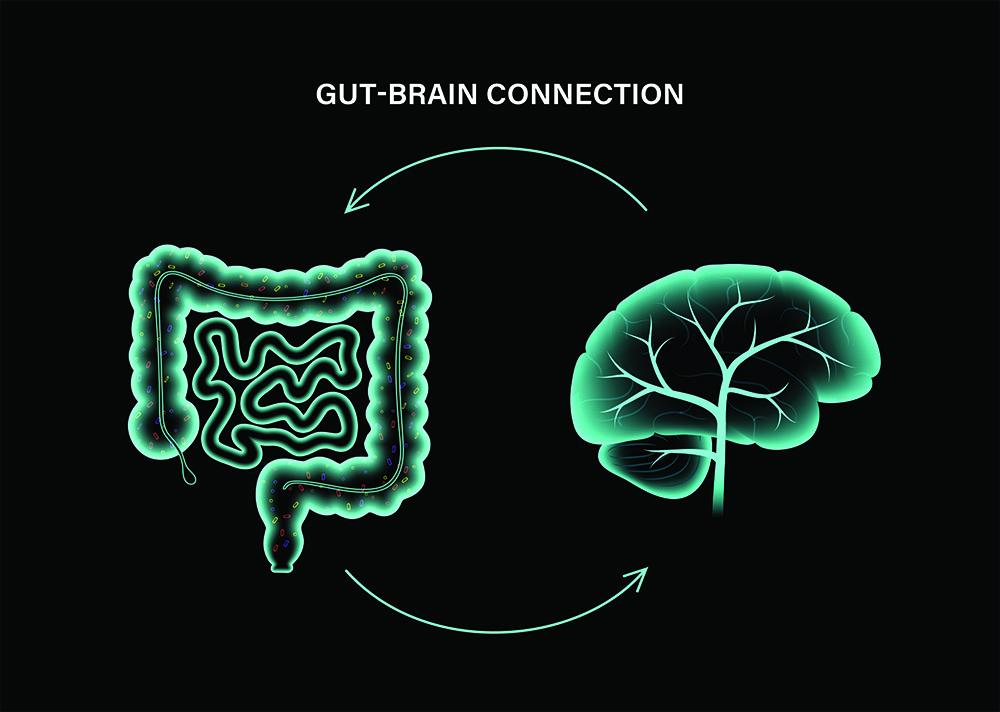
brain-gut connectionWhen it comes to maintaining overall health and wellness, it’s easy to focus on physical fitness and nutrition without giving much thought to the health of our brains. But did you know that the health of your gut and brain are closely connected? In fact, the state of your gut microbiome can have a significant impact on your cognitive function, including your memory and ability to focus. That’s why it’s important to pay attention to the supplements you’re taking to support brain health.

One of the most important things to understand about the connection between the gut and brain is the presence of the gut-brain axis. This pathway allows for communication between the gut and the brain, enabling the gut to send signals to the brain and vice versa. Research has shown that disruptions to the gut-brain axis, such as an imbalance in gut bacteria, can lead to cognitive decline and even neurological disorders.

One of the best ways to support the health of the gut-brain axis is through the use of supplements. Here are a few key supplements for the brain and memory that you may want to consider adding to your daily routine:

  1. Vitamin Supplements for Brain Health: Vitamins B12and D are two key nutrients that are essential for brain health. Vitamin B12 helps to produce the neurotransmitters that are responsible for carrying messages between the brain and the rest of the body, while Vitamin D plays a role in protecting the brain against damage.
  2. Best Nootropics: Nootropicsare a class of supplements that are specifically designed to enhance cognitive function. Some of the most popular nootropics include omega-3 fatty acids, phosphatidylserine, and Noopept.
  3. Supplements for the Brain and Memory: Certain herbs and compounds have been shown to have a positive effect on memory and cognitive function. Some of the best supplements for the brain and memory include ginkgo biloba, Turmeric, and Ashwagandha.

It’s important to note that while supplements can be helpful in supporting brain health, they should never be used as a substitute for a healthy diet and lifestyle. Eating a diet rich in fruits, vegetables, and lean protein, getting regular exercise, and getting enough sleep are all crucial for maintaining good brain health.

In conclusion, by understanding the connection between gut and brain health and by including the right supplements in our daily routine, we can support our cognitive function, improve our memory and keep our brains healthy as we age.

Top 15 Foods That Boost Your Brain And Memory

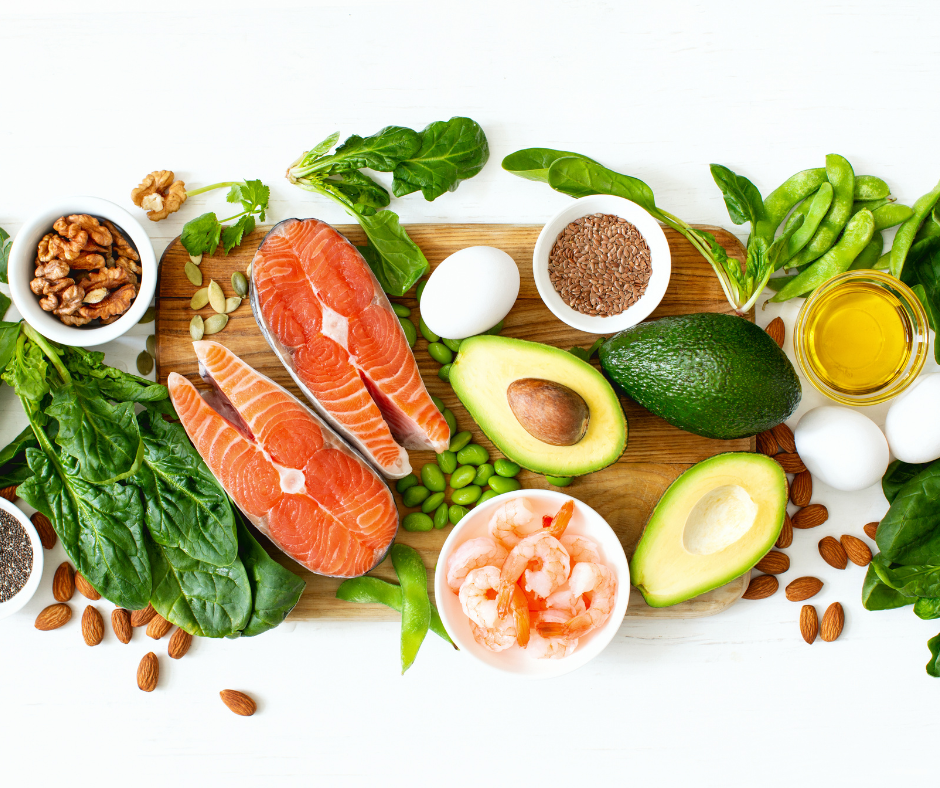
Let’s talk about the brain. That complex network in which more than 100,000 million neurons are interconnected and are indispensable to communicating, thinking, or simply existing. Not only our survival depends on the proper functioning of the brain, but also on our quality of life.

This amazing creation, unlike a computer, does not work by plugging it into an outlet to power it. It is vitally important to eat well so that the brain can receive, through the blood, all the nutrients it needs.

A good diet will help us enhance our ability to solve problems, cope with everyday life, and, above all, improve our memory. Below, we will make a list of foods that stimulate our brain and memory.

Foods that nourish the brain

Before we start with the list, let’s talk a little. What are the nutrients that stimulate the brain and memory? If we tried to bring together all the foods that are beneficial for the mind, we could put together at least three large groups of nutrients: fatty acids, minerals, and antioxidants.

Fatty acids

Lipids are responsible for a range of critical functions in all cells and are a fundamental component of the cell membrane. They are especially important in the brain because they allow the transmission of electrical signals between neurons.

In addition to this, fatty acids play a structural role in the brain. Apart from water, fats make up more than 50% of all brain parenchyma. That is why we can say that the brain is an organ with high-fat content.


Minerals

Certain minerals are key to some of the most important functions of the brain, such as memory, or the correct exchange of nutrients with the blood capillaries.

The shortage of these nutrients can promote a degeneration that over the years can be serious. In the short term, you may experience memory lapses, difficulty concentrating, tiredness, or discouragement.

On the other hand, it has been shown that iron helps transport oxygen in the blood since it is one of the essential components of hemoglobin.


Antioxidants

Due to the high degree of oxygen utilization, the high level of unsaturated fatty acids in its cell membrane, and relatively weak antioxidant defense mechanisms, the brain is especially susceptible to oxidation. Thus, the excessive accumulation of free radicals and lipid peroxidation products in the brain may be partly responsible for the pathogenesis of neurological disorders, such as Parkinson’s and Alzheimer’s diseases.


Fortunately, there are biologically active compounds, called antioxidants, that can counteract this effect. They can be easily integrated into our diet and once absorbed into the blood and transported to the brain, antioxidants can prevent oxidative stress in brain cells. This is especially important since the adult brain virtually stops replacing dead or dying neurons.


Foods that stimulate the brain and memory

Now, without delay, let’s get to the point. Below, we will describe a series of 15 foods that can help us improve our memory and other important functions of the brain. Each of its characteristics and properties has been tested by science and has proven its benefits.

1. Avocado

Avocado is a fruit rich in healthy monounsaturated fats, which also has a high content of vitamin E. Scientific studies have shown that it can promote normal blood pressure levels and control inflammatory processes. Similarly, its high iron content improves cellular respiration by ensuring the transport of oxygen in the blood.

2. Oily fish

fish has a high amount of omega-3 and other essential fatty acids as well as being a good source of iron. Among its properties, we can highlight its ability to reduce the risk of cardiovascular disease.

But that’s not all, fish is also a good source of phosphorus, a mineral that has been associated with improved memory. So if you are looking to stimulate your memory and your brain, do not stop eating fish.

3. Olive oil

If we had to mention an exceptional source of vegetable fats, we could not fail to mention the olive. This oil, like avocado and oily fish, is an excellent source of fatty acids and minerals such as iron. If you plan to make a salad, we recommend that you prefer olive oil over anything else.

4. Broccoli and green cabbage

Broccoli and green cabbage provide sulforaphane. This is an antioxidant that, in addition to having neuroprotective properties, also helps prevent cardiovascular diseases.

In addition, it has also been shown that this compound plays a very important role in the prevention of other diseases such as diabetes mellitus or some types of cancer.

5. Pork or beef liver

Although we must admit that these are not very popular foods, we feel compelled to suggest that you consider the idea of ​​including them in your diet.

Pork or beef liver has a high iron content, this will help keep your hemoglobin levels in order and, in turn, guarantee the transport of oxygen, both to the brain and to the rest of the organs.

6. Soy

And since we are talking about iron, we cannot fail to mention soy, another food with a high content of this mineral.

Another of its most important compounds is isoflavones, natural substances of plant origin that are found mainly in soybeans, and that restore damaged cells in the brain back to a healthy state.

7. Nuts

Without a doubt, nuts stand out when we talk about food for brain and memory nourishment because they are rich in certain minerals that are very beneficial for memory. In addition, nuts are rich in healthy fats that, as we already mentioned, are key in the transmission of nerve impulses as well as at the structural level of the brain parenchyma.

8. Tomatoes

Tomatoes are another food that we must consider when it comes to safeguarding our brain, as it contains a substance known as lycopene, which is an important ally when it comes to preventing heart or vascular diseases such as stroke or ictus.

This is because this substance is a powerful antioxidant that protects the capillary tissues that make up the brain and that will make us enjoy strong health in this part of our body.

9. Tea infusions

Infusions made with different types of tea, especially green tea, also have large amounts of antioxidants. Apart from being good for fighting excess weight, cancer, heart disease, and type 2 diabetes mellitus, a study has shown that green tea improves our cognitive functions, specifically working memory, the one that involves the processes used for short-term memory and information manipulation.


10. Watermelon and strawberries

In general, almost all brightly colored fruits, like the ones mentioned above, are rich in carotenoids and anthocyanins, and also have wonderful antioxidant properties.

Carotenoids protect memory and concentration. Both compounds have antioxidant properties that help keep neurons in good condition, which helps preserve intellectual abilities such as verbal and visual memory or concentration.

11. Blueberries

Red and purple fruits are important sources of polyphenols. These substances help us fight oxidative stress.

The polyphenols and anthocyanins in blueberries not only enhance our memory and study performance but also help mitigate cognitive decline associated with age.

12. Eggs

In addition to being an extraordinary source of protein, egg yolks contain a high amount of choline. Choline is a fundamental substance in functions related to memory and the development of the fetal brain. In addition, eggs are also highly recommended for the prevention of heart and liver diseases.

13. Cocoa

Cocoa has theobromine known to be a powerful antioxidant. For this reason, the consumption of chocolate is recommended as long as it is black or has more than 70% cocoa. Its consumption helps increase blood flow to the brain, improving cognitive function and releasing endorphins, the hormones of happiness.

14. Yogurt (natural and without additives)

Some studies suggest that yogurt and dairy products, in addition to regulating intestinal flora, lead to a direct relationship between the bacteria in our intestine and the proper functioning of our brains.

15. Oatmeal

Oats promote control of sugar and cholesterol levels, two parameters that are undoubtedly essential for maintaining good brain health.

On the other hand, oatmeal is one of the foods richest in silica, thus helping to renew connective tissues. Its carbohydrates give energy and vitamin B1, which exerts a positive action on memory. Oatmeal also contains phosphorus, which is required for the formation of the brain and nervous system during youth.

The Do’s and Don’ts of Healthy Eating

It can be said that a healthy diet provides the nutrients the body needs to maintain the proper functioning of the body, preserve or restore health, minimize the risk of disease, and ensure reproduction, gestation, lactation, development, and proper growth.

To achieve this, we must know which foods provide the nutrients we really need and which habits we must abandon to protect our health and avoid diseases.

What to do to have a healthy diet?

Healthy eating is based on the principle of balance. That is, healthy eating is synonymous with a balanced diet, in which we include all the essential macronutrients on our plate, such as carbohydrates, proteins, and fats. We must make sure to have all the macros in our diet.

Below we talk about those foods that should be included in our diet:

Fresh fruits

Fruits are an important source of fiber, vitamins, water, minerals, and many other different compounds that bring many health benefits. Consumed daily, fruits help us to prevent different diseases such as cardiovascular problems, digestive disorders, some types of cancer, and neurodegenerative diseases, as well as help in the fight against overweight and obesity.

Fruits produce a feeling of satiety because they contain fiber, so you will avoid snacking all day long. In addition, its fiber helps us to regulate intestinal transit and avoid constipation. It is best to have it fresh, but you can also have a frozen fruit smoothie if you get bored or want to try something different with fruits.

Vegetables

Vegetables provide minerals and vitamins that are found in relatively large quantities compared to those obtained from other foods. Green and yellow vegetables occupy the first place as a source of carotene (pro-vitamin A), riboflavin, ascorbic acid, iron, and calcium.

Their daily intake provides vitamins, mineral salts, antioxidants, and fiber; it is also low in calories and favors the elimination of toxins from the body.

We must remember that fruits and vegetables are low in calories, so they help to maintain the ideal weight, they are also a source of fiber, important to regulate bowel function, and help prevent constipation. Finally, fruits and natural fruit juices contain water, potassium, and natural sugars, being a healthy option to replenish fluids and mineral salts.

Calcium-rich foods

You might think of cheese, skim, nonfat, and yogurts. They are all great sources of calcium, protein, and healthy fats and are low in carbs.

As fact, Greek yogurt has a much higher amount of protein than milk and your body will use it to strengthen bones, muscles, cartilage, skin, or hair. It’s also packed with probiotics, healthy bacteria that help boost your immune system, improve your microbiota and alleviate stomach problems.

You could have some greek yogurt with fruit for dessert!

Meats

Animal foods provide all the essential amino acids that your body needs and cannot manufacture. Proteins in the human diet are indispensable for all heterotrophic growth; that is, for the maintenance and replacement of tissues, humans depend on the consumption of other sources of energy generated by other living beings, since they do not produce them themselves.

In addition, animal proteins are highly digestible (94-97%), so from a purely nutritional perspective, it would make no difference whether these proteins come from meat, milk, eggs, or seafood. It is worth noting that fish can be considered the best choice of the species known as white meat, as it is considered essentially pure protein.

If your favorite recipe calls for frying breaded fish or chicken, try healthier variations by baking or broiling. You could swap meat with dried beans if you are in the mood to try something different sometimes. Ask friends and search the Internet and magazines for lower-calorie recipes; you may be surprised to find you have a new favorite dish!

Eggs

Although it contains a small amount of fat, its high contribution of proteins of high biological value, as well as vitamins and minerals, make it worthy of an important place in the regular diet.

They have a very high nutritional value. It contains proteins, vitamins and minerals, and other substances with positive effects on health, in the context of low caloric content (an average-sized egg provides about 70 kcal), so it is generally considered a highly recommended food in the framework of a varied and balanced diet.

Comfort food

Balance means that you don’t have to stop eating the foods you like. You can treat yourself every once in a while with them, and balance it with healthier meals and some exercise.

Some general comfort food tips:

  • Consume them less frequently. You can have them once a week, or twice a month, for example.
  • Eat smaller portions. If your favorite high-calorie food is a chocolate bar, eat a smaller size or only half a bar.
  • Try a lower-calorie version. You can make a cheesecake with yogurt, cream cheese, Splenda, eggs, and sugar-free fruit jelly, for example. No need for sugar, heavy cream, and other caloric ingredients.

What not to do?

Snacks

Snacks are addictive and delicious, and that’s because they are packed with sugar, carbs, and not-so-healthy industrial ingredients. As we said, you can have them every once in a while, but don’t overdo it.

In this group, we have sugary cereals, candies, jelly, chocolates, lollipops, and even canned fruits, as they usually contain a lot of added sugars. You can swap them with dried nuts, natural fruits, sugarless chocolate, protein desserts, and so on.

Salty snacks

We always consider that the salty snacks that we can find in the supermarket are a better alternative than sweet snacks. However, many of them hide poor-quality fats and salt in excess because they are fried and salty.

They are also a source of refined flour and can hide sugar in their composition, so they have an addictive component that encourages us to eat more and more. It is best to avoid commercial snacks and replace them with super-easy homemade snacks or fruit and vegetable chips that are crunchy and very tasty.

Commercial dressings and sauces

They are ultra-processed of low nutritional quality and can hide a lot of sugar inside as well as fats and sodium, therefore, they are not suitable ingredients in a weight loss diet.

Beyond the calories, the important thing is to look at the origin of the calories, because in this case, we can have access to light options but with a large amount of sugar and sodium that do not favor health care or weight loss.

In addition, we can easily replace commercial sauces and dressings with healthier homemade options such as avocado and yogurt sauce, carrot sauce, vegetable pasta sauce, or others.

Soft drinks

We always say that the best drink is water and even more so if we are looking to lose weight since soft drinks have a large amount of sugar and contribute with empty calories.

As if that were not enough, they contain substances with addictive effects on our organism such as caffeine and derivatives. Therefore, there is nothing better than replacing both sugared and sugar-free soft drinks with water, naturally flavored water, or similar, but stay away from industrial beverages.

Best Morning Exercises You Should Be Doing Everyday

Exercising every day as soon as you wake up sounds hard, doesn’t it?  But what if we told you that you don’t need more than 15 minutes to lose weight, as well as be full of energy to face all your responsibilities of the day? It’s not magic, it’s science. When you do sports, your body secretes endorphins which makes you have a more positive attitude and more energy, so your day will go better.

To make it easier for you and avoid morning laziness, we’ve found a very easy routine for you to complete quickly, so you don’t lose too much sleep time or be late to attend to the rest of your obligations. Write it down, because once you start, you’re sure to want more:

Warm-up: Three sun salutations

The sun salutation is one of the most complete and healthy yoga exercises. In addition to helping you warm up your muscles to face the rest of your routine, it will help you stretch muscles that may be stiff after several hours in bed.

To do it correctly, you should stand upright, with your back straight and your palms facing your chest. Breathing in, stretch your arms up and back. Exhaling, place your hands on the floor next to your feet. Breathing in again, bring the right leg back, knee to the floor, and gaze upward. Holding your breath, bring the other leg back, keeping them both straight and your arms straight.

Then exhale again, bend your legs and touch the floor with your knees, chest, and forehead. Breathing in, support your hips and legs while you force your arms to open your chest. Lean back and look up. Exhaling again, bring your hips up and gaze to your abdomen.

Breathing in again, bring the right foot between the hands, while lowering the other knee to the floor. Exhale and bring the other leg forward, place the feet together and bring the head towards the legs. Breathing in, lift your arms up and back. Finally, exhaling, bring your palms together in front of your chest.

Strength work

Strength work is a must for a toned body. Still, you won’t have to lift weights of several kilos as soon as you get up, since your body weight will be enough to get in shape. We propose a small circuit that you must repeat three times:

Jumping Jacks

This is our cardio exercise that will allow you to warm up and raise your heart rate. Stand with your arms outstretched on both sides of your body and start jumping by opening your legs and raising your arms above your head. Then, return to the starting position by jumping back up to close your legs and lower your arms. Do 20 repetitions.

Chest push-ups

It would be best to do the classic push-ups, but if you can’t, you can always do it on your knees. Lie on your stomach, resting your body weight on your palms, which should be placed just below your shoulders. Lower until your chest touches the floor and comes back up. Do 10 repetitions.

Squats

Stand with your legs hip-width apart, with your toes and knees slightly outward. Then lower as low as you can, keeping your weight always on your heels, and push off the floor with your feet to come back up. Do 15 repetitions.

Triceps Dips

Place a chair behind you and rest your hands on it on either side of your body with your fingers forward. Slide your glute forward, resting on your hands and feet only, and bend your elbows. Push down on the chair or bed to come back up. The farther away you place your feet, the harder the exercise will be. Do 10 repetitions.

Abdominal crunch

This is the classic abdominal crunch. Place your hands behind your head, with your elbows wide apart and your chin away from your chest. Next, activate your abdomen and raise your head only to the point of your shoulder blades. Breathe in as you come down and release the air as you come up without pushing your head with your hands. Do 15 repetitions.

Stretching

Performing this circuit will take you no more than 10 minutes and you will have worked all the major muscle groups. But it is just as important to exercise as it is to stretch when you finish. Focus on your legs, arms, and chest and hold each posture for at least 20 seconds without feeling pain but with a little tension.

Why exercise in the morning?

It makes you consistent and you get into the habit. Have you ever been invited to a party at 6 am? Have you ever had a family commitment before the sun came up… of course not!

It’s normal to fail with exercise in everyday life because there are indeed unexpected things, pending tasks, and commitments that take up space during the rest of the day, plus, after a long day of work you’re likely to feel exhausted and with zero moods to exercise.

On the other hand, exercising in the morning means crossing it off your list quickly, automatically eliminating it from your mind and preventing you from failing because you no longer have the number one reason (or excuse) for not exercising: “lack of time”.

Getting yourself to wake up half an hour earlier is much easier than trying to find an hour in the middle of the day to start exercising and get into the habit.

It helps you start the day with energy

Movement can be a great source of energy. Some research has measured the effectiveness of exercise in “waking up” and the results show that it’s more effective than a cup of coffee!

Exercise in the morning also puts you in a good mood. A major scientific study showed that those who exercised regularly reported fewer “unhealthy” days where sadness, anxiety, fatigue, or other symptoms affected their daily routine.

You enjoy your morning routine more

While most people are just waking up for their shower, you are already finishing your workout with a smile and more optimism to start your routine, which makes your mornings a more pleasant time (instead of being in a bad mood and carrying the accumulated stress of the previous day back to work).

This release of morning stress with exercise helps you feel good about yourself and gives you a sense of triumph that you carry with you all day, and it shows!

Your afternoons become fun

Think about this: when the end of your day comes, instead of dragging yourself to the gym, you can use that extra time you gave yourself in the morning to invest it in whatever you want.

Helps you sleep better

In one study, participants were divided into 3 groups: one group exercised at 7 am, the other at 1 pm, and the last at 7 pm. The researchers measured their sleep quality and, the results show that the group that slept better was… you guessed it! the group that trained at 7 am.

It’s a closed cycle, exercising in the morning helps you sleep better, and, sleeping better helps you continue to wake up early to exercise.

How Lack of Sleep Impacts Cognitive Performance and Focus

Sleep is an important time for the brain. Levels of brain activity change in each stage of sleep — including both rapid eye movement (REM) and non-REM (NREM) sleep — and evidence increasingly suggests that sleep enhances most types of cognitive function.

Getting enough hours of high-quality sleep fosters attention and concentration, which are a prerequisite for most learning. Sleep also supports numerous other aspects of thinking including memory, problem-solving, creativity, emotional processing, and judgment.

For people with sleep deprivation, insomnia, sleep apnea, or other conditions that prevent getting adequate rest, short-term daytime cognitive impairment is common. In addition, multiple studies have linked poor sleep with longer-term cognitive decline, including the development of dementia and Alzheimer’s dementia.

Thankfully, there is evidence that improving sleep can boost both short- and long-term cognitive performance. Better sleep can promote sharper thinking and may reduce the likelihood of age-related cognitive decline.

What Happens to the Brain During Sleep?

During a typical night of sleep, an individual goes through four to six sleep cycles that range from 70 to 120 minutes each. Both the brain and body experience distinct changes during these cycles that correspond to individual stages of sleep.

During NREM stages, brain activity slows overall, but there remain pulses of specific types of brain waves. This pattern of brain waves is most pronounced in stage 3 NREM sleep, which is also known as slow-wave sleep or deep sleep.

In contrast, REM sleep is marked by a sizable uptick in brain activity. In many ways, the brain’s activity during REM sleep is similar to when you’re awake. Not surprisingly, REM sleep is known for more vivid and involved dreaming.

It’s normal to cycle through both NREM and REM stages, with REM sleep being more concentrated in the second half of the night. During each part of this process, different chemicals in the brain become activated or deactivated to coordinate rest and recovery.

Experts still aren’t exactly certain why sleep proceeds in this pattern, but it is believed that it facilitates mental recovery, which can unlock cognitive benefits related to attention, thinking, and memory.

How Does Poor Sleep Affect the Brain?

Without sleep, the brain struggles to function properly. Because they don’t have time to recuperate, neurons become overworked and less capable of optimal performance in numerous types of thinking.

Poor sleep can take many forms. It can be caused by short sleep duration and/or fragmented sleep. Both insufficient and interrupted sleep make it difficult to progress through sleep cycles in a normal, healthy way.

The short-term implications of poor sleep on the brain and cognition can be the result of simply pulling an all-nighter, while those with chronic sleep problems may see their day-to-day tasks affected. Over the long-term, however, poor sleep may put someone at a higher risk of cognitive decline and dementia.

What Are the Short-Term Impacts of Poor Sleep on Cognition?

The potential short-term impacts of sleep on cognitive performance are wide-ranging.

Most people are familiar with the daytime effects that result from a night of poor sleep, such as drowsiness and fatigue. In response, a person may inadvertently nod off for a few seconds, which is known as a microsleep.

While a night of disrupted sleep may be inconvenient, the resulting daytime sleepiness can cause serious cognitive impairments. It reduces a person’s attention, as well as their learning and processing. A lack of sleep has also been found to induce effects that are similar to being drunk, which slows down thinking and reaction time.

Just struggling to stay alert can, in itself, cause sweeping problems for thinking, but research also indicates that there are selective impacts of poor sleep on mental function. This means that insufficient or disrupted sleep causes more harm to certain parts of the brain with distinct effects on different types of cognition.

Studies of the selective impact of sleep on types of thinking do not always generate consistent results. This may be the result of differences in the people in the studies, how their sleep is changed in the research, or how cognitive effects are measured. Nevertheless, there are some general findings about ways that poor sleep may impair intellectual performance.

There are strong indications that sleep and memory are closely linked. Lack of sleep hinders working memory, which is necessary to remember things for immediate use.

Both NREM and REM sleep appear to be important for broader memory consolidation, which helps reinforce information in the brain so that it can be recalled when needed. For example, NREM sleep has been linked with formation of declarative memory, which includes things like basic facts or statistics, and REM sleep is believed to boost procedural memory such as remembering a sequence of steps.

Poor sleep impairs memory consolidation by throwing off the normal process that draws on both NREM and REM sleep for building and retaining memories. Studies have even found that people who are sleep deprived are at risk of forming false memories. Fragmented sleep has also been found to negatively affect memory even if a person gets plenty of total hours of sleep.

On top of the consequences for memory, poor sleep detracts from other cognitive tasks. It diminishes placekeeping which includes the ability to carry out instructions. Motor skills, keeping rhythm, and even some types of speech are worsened without proper sleep.

Some studies have found lack of sleep to hinder cognitive flexibility, reducing the ability to adapt and thrive in uncertain or changing circumstances. A major reason this occurs is rigid thinking and “feedback blunting” in which the capacity to learn and improve on-the-fly is diminished.

Another way that poor sleep impairs thinking is by altering how emotional information is understood15. When learning something new, analyzing a problem, or making a decision, recognizing the emotional context is often important. However, insufficient sleep — which frequently affects mood — impedes the ability to properly process this emotional component of information.

In many cases, this disrupted emotional response impairs judgment. People who don’t get sufficient sleep are more likely to make risky choices and to focus on a potential reward rather than downsides. This can become negatively reinforcing because a lack of sleep limits our ability to learn from these mistakes since the normal method of processing and consolidating emotional memory is compromised.

Creativity is another aspect of cognition that is harmed by sleeping problems. Connecting loosely associated ideas is a hallmark of creativity, and this ability is strengthened by good sleep. NREM sleep provides an opportunity for information to be restructured and reorganized in the brain, while new ideas and links between thoughts often emerge during REM sleep. These processes enable insight, a core element of innovation and creative problem-solving.

Limited or restless sleep can also indirectly affect cognition because of other problems that they cause. For example, migraine sufferers are more likely to have morning headache attacks when they don’t get enough sleep, and lack of sleep can increase the risk of the infections like the common cold. Sleep deprivation may worsen symptoms of mental health conditions like anxiety and depression. These and numerous other physical and mental health issues are shaped by the quality of our sleep, and may affect a person’s attention and concentration.

The existing research strongly supports the notion that poor sleep detracts from effective thinking. Without quality sleep, people are more likely to make errors, fail to take in new information, suffer deficits in memory, or have impaired decision-making.

As a result, poor sleep can harm intellectual performance, academic achievement, creative pursuits, and productivity at work. The cognitive impacts of poor sleep can also create health risks, including life-threatening dangers from drowsy driving or operating heavy machinery without adequate sleep.

What Are the Long-Term Impacts of Poor Sleep on Cognition?

The most obvious cognitive effects of poor sleep can be felt immediately, but mounting evidence shows that sleep influences the long-term risks of cognitive decline and dementia.

An analysis of more than 25 observational studies found a considerably higher risk of cognitive impairment and Alzheimer’s dementia in people with sleep problems. In fact, that analysis estimated that as many as 15% of cases of Alzheimer’s dementia are attributable to poor sleep.

Research shows that sleep helps the brain conduct important housekeeping, such as clearing out potentially dangerous substances like beta amyloid proteins. In Alzheimer’s dementia, beta amyloid forms in clusters, called plaques, that worsen cognitive function. Studies have found that even one night of sleep deprivation can increase the amount of beta amyloid in the brain.

This is one possible explanation for why insufficient sleep and sleep fragmentation have been associated with cognitive decline and dementia. Furthermore, in people already diagnosed with dementia, poor sleep has been linked to a worse disease prognosis.

Are the Impacts of Poor Sleep on Thinking the Same For Everyone?

Not everyone is affected by poor sleep in the same way. Studies have found that some individuals may be more inclined to have cognitive impairment from sleep deprivation, and this may even have a genetic component.

Research has generally discovered that adults are better at overcoming the effects of sleep deprivation than younger people. Teens are considered to be especially high-risk for detrimental effects of poor sleep on thinking, decision-making, and academic performance because of the ongoing brain development occurring during that age.

Some studies have also found that women are more adept at coping with the effects of sleep deprivation than men, although it is not yet clear if this is related to biological factors, social and cultural influences, or a combination of both.

Can Sleep Disorders Affect Cognition?

Sleep disorders frequently involve insufficient or fragmented sleep, so it comes as little surprise that they can be linked to cognitive impairment.

Insomnia, which can involve problems with both falling asleep and staying asleep through the night, has been connected to both short- and long-term cognitive problems.

Obstructive sleep apnea (OSA) is another one of the most common sleep disorders. It occurs when the airway gets blocked, which then leads to lapses in breathing during sleep and reduced oxygen in the blood.

OSA has been linked with daytime sleepiness as well as notable cognitive problems related to attention, thinking, memory, and communication. Studies have also found that people with sleep apnea have a higher risk of developing dementia.

Does Too Much Sleep Affect Cognition?

Many studies looking at the effects of sleep on thinking have found that it isn’t only a lack of sleep that can be problematic. In many cases, research has discovered that both too little and too much sleep are associated with cognitive decline.

The explanation for this association remains unclear. It is not known if excess sleep is caused by a coexisting health condition that may also predispose someone to cognitive problems. Overall, these research findings are an important reminder that recommendations for healthy sleep involve both a minimum and a maximum.

Will Improving Sleep Benefit Cognition?

For people with sleeping problems, improving sleep offers a practical way to enhance their cognitive performance. Getting the recommended amount of uninterrupted sleep can help the brain recuperate and avoid many of the negative consequences of poor sleep on diverse aspects of thinking.

Researchers and public health experts are increasingly viewing good sleep as a potential form of prevention of dementia and Alzheimer’s disease. Although more studies are needed to conclusively determine sleep’s role in preventing cognitive decline, early research hints that taking steps to improve sleep may reduce the longer-term likelihood33 of developing Alzheimer’s dementia.

Tips To Improve Sleep and Cognitive Performance

Anyone who feels that they are experiencing cognitive impairment or excessive daytime sleepiness that affects their thinking should talk with their doctor as a first step. A doctor can help identify or rule out any other conditions, including sleep disorders, that may be causing these symptoms. They can also discuss strategies for a plan to get better sleep.

Many approaches to improving sleep start with healthy sleep hygiene. By optimizing your bedroom environment and your everyday habits and routines, you can eliminate many common barriers to sleep. Setting a regular bedtime and sleep schedule, avoiding alcohol and caffeine in the evening, and minimizing electronics in the bedroom are a few examples of sleep hygiene tips that can make it easier to rest well every night.

References

+33 Sources

  1. Patel, A. K., Reddy, V., & Araujo, J. F. (2020, April). Physiology, Sleep Stages. StatPearls Publishing. Retrieved from
    https://www.ncbi.nlm.nih.gov/books/NBK526132/
  2. National Institute of Neurological Disorders and Stroke (NINDS). (2019b, August 13). Brain Basics: Understanding Sleep. Retrieved December 2, 2020, from
    https://www.ninds.nih.gov/Disorders/patient-caregiver-education/understanding-sleep
  3. Division of Sleep Medicine at Harvard Medical School. (2007, December 18). Natural Patterns of Sleep. Retrieved December 2, 2020, from
    https://healthysleep.med.harvard.edu/healthy/science/what/sleep-patterns-rem-nrem
  4. Division of Sleep Medicine at Harvard Medical School. (2007, December 18). Sleep, Learning, and Memory. Retrieved December 2, 2020, from
    https://healthysleep.med.harvard.edu/healthy/matters/benefits-of-sleep/learning-memory
  5. Poudel, G. R., Innes, C. R., Bones, P. J., Watts, R., & Jones, R. D. (2014). Losing the struggle to stay awake: divergent thalamic and cortical activity during microsleeps. Human brain mapping, 35(1), 257–269.
    https://onlinelibrary.wiley.com/doi/full/10.1002/hbm.22178
  6. Dawson, D., & Reid, K. (1997). Fatigue, alcohol and performance impairment. Nature, 388(6639), 235.
    https://www.nature.com/articles/40775
  7. Alhola, P., & Polo-Kantola, P. (2007). Sleep deprivation: Impact on cognitive performance. Neuropsychiatric disease and treatment, 3(5), 553–567.
    https://www.ncbi.nlm.nih.gov/pmc/articles/PMC2656292/
  8. Tucker, A. M., Whitney, P., Belenky, G., Hinson, J. M., & Van Dongen, H. P. (2010). Effects of sleep deprivation on dissociated components of executive functioning. Sleep, 33(1), 47–57.
    https://www.ncbi.nlm.nih.gov/pmc/articles/PMC2656292/
  9. Maquet P. (2000). Sleep on it!. Nature neuroscience, 3(12), 1235–1236.
    https://www.nature.com/articles/nn1200_1235
  10. Lo, J. C., Chong, P. L., Ganesan, S., Leong, R. L., & Chee, M. W. (2016). Sleep deprivation increases formation of false memory. Journal of sleep research, 25(6), 673–682.
    https://pubmed.ncbi.nlm.nih.gov/27381857/
  11. Rolls, A., Colas, D., Adamantidis, A., Carter, M., Lanre-Amos, T., Heller, H. C., & de Lecea, L. (2011). Optogenetic disruption of sleep continuity impairs memory consolidation. Proceedings of the National Academy of Sciences of the United States of America, 108(32), 13305–13310.
    https://www.pnas.org/content/108/32/13305
  12. Stepan, M. E., Altmann, E. M., & Fenn, K. M. (2020). Effects of total sleep deprivation on procedural placekeeping: More than just lapses of attention. Journal of experimental psychology. General, 149(4), 800–806.
    https://doi.org/10.1037/xge0000717
  13. Honn, K. A., Hinson, J. M., Whitney, P., & Van Dongen, H. (2019). Cognitive flexibility: A distinct element of performance impairment due to sleep deprivation. Accident; analysis and prevention, 126, 191–197.
    https://linkinghub.elsevier.com/retrieve/pii/S0001457518300708
  14. Whitney, P., Hinson, J. M., Jackson, M. L., & Van Dongen, H. P. (2015). Feedback Blunting: Total Sleep Deprivation Impairs Decision Making that Requires Updating Based on Feedback. Sleep, 38(5), 745–754.
    https://academic.oup.com/sleep/article/38/5/745/2416953
  15. Killgore W. D. (2010). Effects of sleep deprivation on cognition. Progress in brain research, 185, 105–129.
    https://doi.org/10.1016/B978-0-444-53702-7.00007-5
  16. Pires, G. N., Bezerra, A. G., Tufik, S., & Andersen, M. L. (2016). Effects of acute sleep deprivation on state anxiety levels: a systematic review and meta-analysis. Sleep medicine, 24, 109–118.
    https://doi.org/10.1016/j.sleep.2016.07.019
  17. Van Someren, E. J., Cirelli, C., Dijk, D. J., Van Cauter, E., Schwartz, S., & Chee, M. W. (2015). Disrupted Sleep: From Molecules to Cognition. The Journal of neuroscience : the official journal of the Society for Neuroscience, 35(41), 13889–13895.
    https://doi.org/10.1523/JNEUROSCI.2592-15.2015
  18. Drago, V., Foster, P. S., Heilman, K. M., Aricò, D., Williamson, J., Montagna, P., & Ferri, R. (2011). Cyclic alternating pattern in sleep and its relationship to creativity. Sleep medicine, 12(4), 361–366.
    https://doi.org/10.1016/j.sleep.2010.11.009
  19. Yordanova, J., Kolev, V., Wagner, U., & Verleger, R. (2010). Differential associations of early- and late-night sleep with functional brain states promoting insight to abstract task regularity. PloS one, 5(2), e9442.
    https://doi.org/10.1371/journal.pone.0009442
  20. Cai, D. J., Mednick, S. A., Harrison, E. M., Kanady, J. C., & Mednick, S. C. (2009). REM, not incubation, improves creativity by priming associative networks. Proceedings of the National Academy of Sciences of the United States of America, 106(25), 10130–10134.
    https://doi.org/10.1073/pnas.0900271106
  21. Lin, Y. K., Lin, G. Y., Lee, J. T., Lee, M. S., Tsai, C. K., Hsu, Y. W., Lin, Y. Z., Tsai, Y. C., & Yang, F. C. (2016). Associations Between Sleep Quality and Migraine Frequency: A Cross-Sectional Case-Control Study. Medicine, 95(17), e3554.
    https://doi.org/10.1097/MD.0000000000003554
  22. Prather, A. A., Janicki-Deverts, D., Hall, M. H., & Cohen, S. (2015). Behaviorally Assessed Sleep and Susceptibility to the Common Cold. Sleep, 38(9), 1353–1359.
    https://doi.org/10.5665/sleep.4968
  23. Bubu, O. M., Brannick, M., Mortimer, J., Umasabor-Bubu, O., Sebastião, Y. V., Wen, Y., Schwartz, S., Borenstein, A. R., Wu, Y., Morgan, D., & Anderson, W. M. (2017). Sleep, Cognitive impairment, and Alzheimer’s disease: A Systematic Review and Meta-Analysis. Sleep, 40(1), 10.1093/sleep/zsw032.
    https://doi.org/10.1093/sleep/zsw032
  24. Shokri-Kojori, E., Wang, G. J., Wiers, C. E., Demiral, S. B., Guo, M., Kim, S. W., Lindgren, E., Ramirez, V., Zehra, A., Freeman, C., Miller, G., Manza, P., Srivastava, T., De Santi, S., Tomasi, D., Benveniste, H., & Volkow, N. D. (2018). β-Amyloid accumulation in the human brain after one night of sleep deprivation. Proceedings of the National Academy of Sciences of the United States of America, 115(17), 4483–4488.
    https://doi.org/10.1073/pnas.1721694115
  25. Lim, A. S., Kowgier, M., Yu, L., Buchman, A. S., & Bennett, D. A. (2013). Sleep Fragmentation and the Risk of Incident Alzheimer’s Disease and Cognitive Decline in Older Persons. Sleep, 36(7), 1027–1032.
    https://doi.org/10.5665/sleep.2802
  26. Wennberg, A., Wu, M. N., Rosenberg, P. B., & Spira, A. P. (2017). Sleep Disturbance, Cognitive Decline, and Dementia: A Review. Seminars in neurology, 37(4), 395–406.
    https://doi.org/10.1055/s-0037-1604351
  27. Richter, R. (2015, October 8). Among teens, sleep deprivation an epidemic. Retrieved December 2, 2020, from
    https://med.stanford.edu/news/all-news/2015/10/among-teens-sleep-deprivation-an-epidemic.html
  28. Kales, A., Caldwell, A. B., Cadieux, R. J., Vela-Bueno, A., Ruch, L. G., & Mayes, S. D. (1985). Severe obstructive sleep apnea–II: Associated psychopathology and psychosocial consequences. Journal of chronic diseases, 38(5), 427–434.
    https://doi.org/10.1016/0021-9681(85)90138-9
  29. Chang, W. P., Liu, M. E., Chang, W. C., Yang, A. C., Ku, Y. C., Pai, J. T., Huang, H. L., & Tsai, S. J. (2013). Sleep apnea and the risk of dementia: a population-based 5-year follow-up study in Taiwan. PloS one, 8(10), e78655.
    https://doi.org/10.1371/journal.pone.0078655
  30. Ma, Y., Liang, L., Zheng, F., Shi, L., Zhong, B., & Xie, W. (2020). Association Between Sleep Duration and Cognitive Decline. JAMA network open, 3(9), e2013573.
    https://doi.org/10.1001/jamanetworkopen.2020.13573
  31. Hua, J., Sun, H., & Shen, Y. (2020). Improvement in sleep duration was associated with higher cognitive function: a new association. Aging, 12(20), 20623–20644.
    https://doi.org/10.18632/aging.103948
  32. Spira, A. P., Chen-Edinboro, L. P., Wu, M. N., & Yaffe, K. (2014). Impact of sleep on the risk of cognitive decline and dementia. Current opinion in psychiatry, 27(6), 478–483.
    https://doi.org/10.1097/YCO.0000000000000106
  33. Burke, S. L., Hu, T., Spadola, C. E., Burgess, A., Li, T., & Cadet, T. (2019). Treatment of Sleep Disturbance May Reduce the Risk of Future Probable Alzheimer’s Disease. Journal of aging and health, 31(2), 322–342.
    https://doi.org/10.1177/0898264318795567

Eric Suni, How Lack of Sleep Impacts Cognitive Performance and Focus, December 11, 2020, Source: https://www.sleepfoundation.org/sleep-deprivation/lack-of-sleep-and-cognitive-impairment.

Nootropic Spotlight of the Week: LumUltra Wisdom, Oweli Neuro, Hunter Focus & More

This week we’re focusing on some of the most talked-about nootropic pills in the market. Surely it’s an increasingly saturated market, but there are standouts that we can separate from the rest. Let’s review their benefits, potential side effects, and what you need to know if you’re eyeing the brand for your brain enhancement needs. 

LumUltra Wisdom

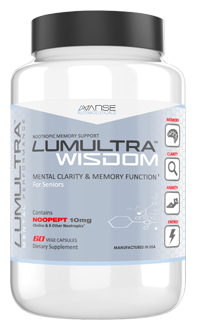
LumUltra Wisdom dives deep into the needs of the elderly population. This is a laudable move because as experience and wisdom are welcome gifts during our senior years, cell degradation can take place and cause poor energy as well as memory and thinking issues. 

LumUltra Wisdom, which comes from a big and ever-expanding range of nootropic supplements, seeks to support brain function, aid mental clarity, and serve as an energy enhancer to add a spring to one’s step in one’s older years. 

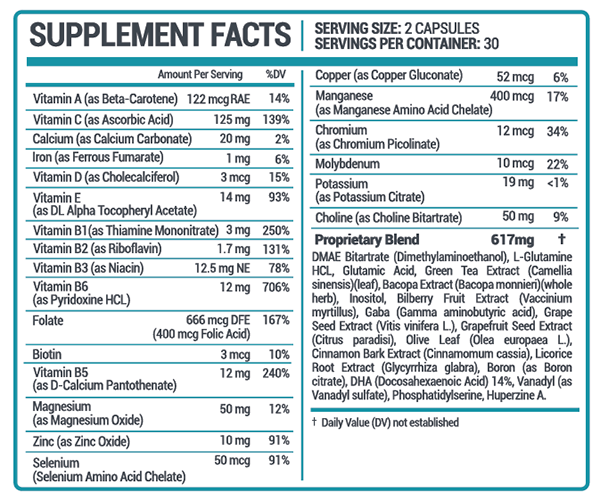
This supplement is sweetly priced at $59.97 for such niche benefits, making it an attractive option for beginners and veterans in using brain enhancers. The Clarity, Vitality, and Memory Blends organize the ingredients properly into a “nootropic stack” on its own,bringing further value for money. As far as market feedback and reputation, LumUltra is an established name in the industry, so the reviews on LumUltra Wisdom echo a decent and even preferred name in the market. 

Oweli Neuro

Oweli Neuro is a nootropic supplement that promises a range of benefits, including stress relief, for life’s daily challenges that cause fatigue and exhaustion; support for memory recall, helping improve attention, retention, and information recall; enhanced cognitive function, tapping into brain processing power for better focus and better reaction time; increased concentration and productivity; and improved mood via better mental clarity. 

According to the manufacturer, Oweli Neuro works best for seniors, professionals at work, professional competitors, and students. The goal is deeper learning with improved data recollection. 

The product is priced at $59.99 plus shipping cost for one bottle, then $119.97 plus shipping for three bottles and $179.94 plus shipping for six bottles. This would have been an otherwise fabulous offer, particularly with the price point and purported benefits. The catch, however, is that Oweli Neuro is a relative newcomer in the market and needs to prove plenty by way of customer testimonials and long-term benefits. 

To unlock maximum brain potential, Oweli Neuro has a lot of work ahead, starting with its reputation setting and proving it can play with the big boys. 

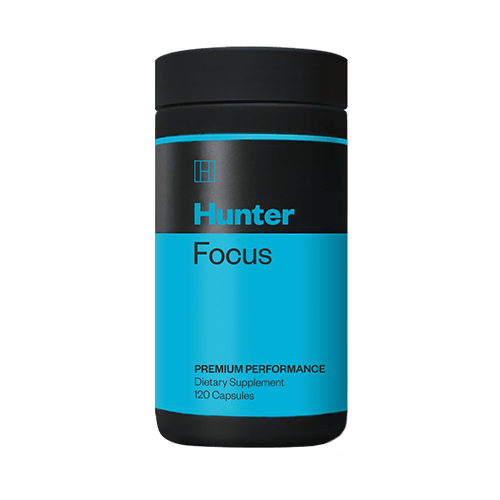
Hunter Focus

Another slightly new player in the nootropics space is Hunter Focus, which claims to help maximum brain potential unravel for users to achieve more. It claims to enhance focus, concentration, and creativity, which can be key to being successful across major functions in life. Each bottle comes with 120 capsules equivalent to a 30-day supply. 

As far as the ingredients, there are nine major ones in Hunter Focus, including proven nootropic compounds.A bottle retails for $75, which is readily more expensive than most other options. For a relatively new nootropic brand, the price tag of Hunter Focus is pretty prohibitive. The formula itself may be beneficial as it doesn’t contain stimulants, but might the price be a little steep for such offerings that you can find elsewhere? 

Keep posted as we put the spotlight on new and fairly well-known brands in nootropics every week.

MIND Diet Benefits Cognitive Powers: Study

New findings highlight the powers of the MIND diet, a mix of the Mediterranean diet and the DASH diet, for cognitive performance and brain health. With aging taking a toll on both the body and mind, these results add to mounting evidence and potential of food for brain enhancement. 

A team of researchers at Rush University Medical Center found that older adults, for instance, may benefit from the MIND diet amid having developed amyloid plaques and tangles, which are abnormal clumps of proteins that serve as the hallmark of Alzheimer’s disease. These protein deposits build up in between nerve cells and usually interfere with thinking and problem-solving. 

In case you’re wondering, the MIND diet is a mix of Mediterranean and Dietary Approaches to Stop Hypertension (DASH) diets, which have been previously cited by studies to potentially help reduce risk of dementia and Alzheimer’s. 

In the recent study published in The Journal of Alzheimer’ Disease, the participants who followed the diet moderately didn’t suffer from cognition issues later in life. 

Study Details

The team examined the link between diet (from start of study until death) and cognitive functioning in 569 older adults who were part of the center’s Memory and Aging Project, which started in 1997 and involved people living in the greater Chicago area. Most of the subjects were white, without known dementia, and agreed to an annual clinical evaluation for memory and thinking problems while alive as well as brain autopsy upon death. 

Starting 2004, the subjects accomplished an annual food frequency questionnaire on the frequency of their consumption of 144 food items in the past year. 

The researchers then gave each subject a MIND diet score. The diet has 15 components, including 10 brain-friendly groups and five unhealthy ones such as fast food, red meat, pastries and sweets. Adhering to the diet meant consuming at least three servings of whole grains, a leafy green, and another vegetable daily, along with a glass of wine and nuts as a snack on most days. It also meant limiting intake of unhealthy foods, such as less than 1.5 tsp a day of butter. 

What Were the Outcomes?

What did the MIND diet score of participants show across the study period? 

A higher score, according to the study authors, linked to better memory as well as thinking skills independently of Alzheimer’s and other common age-related brain pathologies. “The diet seemed to have a protective capacity and may contribute to cognitive resilience in the elderly, said lead author Dr. Klodian Dhana. 

There are fairly simple diet and lifestyle adjustments that people can make to slow cognitive decline in the face of aging, added Dhana. Some individuals, too, have the capacity to maintain their cognitive function despite accumulating pathologies in the brain — and this study suggests that the MIND diet can be tied with better cognition regardless of Alzheimer’s-related brain pathologies. 

Berries and Brain Foods

There are a number of food groups famed to be brain-friendly, helping with the aging process as well as even boosting lifespan by about 10 percent. 

One such food are berries, found to be an easy, nutritious snack that can help the brain and heart. Berries are chock full of fiber and antioxidants, both contributing to heart benefits. According to studies, three or more servings of berries a week could slash the risk of a heart attack by as much as 34 percent. 

In an 18-year study, for example, women who consumed the most blueberries and strawberries were 34 percent less likely to have gone through a heart attack than those who at the least of the fruits. The magic of berries were linked to anthocyanins, a class of antioxidants that shield from oxidative stress and inflammation contributing to heart disease. 

Blueberries in particular contain flavonoids that help fight DNA damage and slow aging-induced damage to the brain cells. 

For many experts, however, brain enhancement is a multidisciplinary science, meaning it could be a combination of smart diet and lifestyle strategies. In promoting neuroplasticity through a brain-friendly diet, good sleep and exercise, and even supplementation, the human brain can better reorganize itself by forming new neural connections throughout life and being resilient during the aging process.