
Help! I Can’t Focus and Concentrate With COVID-19 Still in the Picture

It’s anxiety, fear, worry, and lack of motivation happening all over. But if there’s one thing that the COVID-19 pandemic has brought upon the world since last year, it’s the general difficulty focusing and concentrating. 

One can’t help but wonder: Is it a valid concern after all? Students say they can’t concentrate on their online modules. The overall environment, according to them, is just not conducive to learning. Teachers echo this and think students are simply unwilling to continue learning under the conditions. In the workplace, it isn’t a really different story; managers and staff struggle to stay on track with the work and tasks ahead. 

Let’s Talk About the Amygdala

The physiological research of Walter Cannon, according to a story on The Conversation, offers an early explanation of how emotions, negative emotions in particular, take over the human mind. Based on his research, emotions is a physiological warning system, activating a number of structures below the cerebral cortex. 

The amygdala, one of the said structures, has received particular attention. It is quickly activated amid threatening stimuli, allowing humans to be wary of them. 

Among humans, the amygdala activates automatically in response to social stimuli laden with negative emotions, such that people are shown to be both highly sensitive to the so-called “emotional charge” of their perspectives and unable to ignore it. A case in point: corrupt politicians on television, no matter how we try to avoid them. 

While COVID-19 may not pose the same threat as these politicians or a snake on grass, consider for a moment the limited attention capacity carried out in working memory. Here, attention supervises cognitive resources and their allocation. 

When the Pandemic Comes Into Play

Previously, the processing of emotions through the amygdala isn’t believed to depend on the attention resources of working memory. Recent evidence, however, points to the opposite: the circuits that connect the amygdala and the prefrontal cortex are important in distinguishing between relevant and irrelevant information for the activity being undertaken. 

Anxiety research by psychologist Michael Eysenck largely supports this, showing that people who are anxious choose to direct their attention on stimuli tied to the threat, regardless if it’s unrelated to the task at home. The stimuli may be internal (worrisome views) or external, or images thought to be threatening. 

What this means: Anxiety and worry can both consume the attention as well as cognitive resources of working memory, leading to reduced cognitive performance, especially when it comes to complex tasks. 

Mental fatigue, too, has been shown in research to increase when you perform a task while trying not to respond to external demands at the same time. You’re looking at depleted mental resources, and the difficulty of avoiding moving from work email to COVID-19 news on Facebook. 

So You Can’t Focus Thanks to COVID — What Now?

According to Time Magazine, here are several steps you may take to increase your focus and concentration at difficult, rather emotionally charged moments like the pandemic. 

  1. Forgive yourself. Cut yourself some slack. Take the time to practice self-care through eating healthy, sleeping well, and exercising. Nobody is operating at a hundred percent, and you’re still great without doing so. 
  2. Set goals. Setting specific goals, scientists say, allow you to create feedback outside of controlled environments like the laboratory. Instead of vague notions of productivity or focus, decide exactly what it is you want to do, whether for 30 minutes or in terms of word count. This can take you back once your mind starts to drift off. 
  3. Take breaks. Do this outdoors, where nature and greenery are scientifically proven to rejuvenate focus and attention. 
  4. Be mindful. Make mindfulness a daily habit. If you’re struggling to focus, drop everything, close your eyes, and focus on your breath for a few minutes. Slowly, bring your attention to each part of your body with every count of breath. Gradually this will help your brain reset. 
  5. Adjust your schedule. Recognize that your productivity will wax and wane. If you can, work remotely and talk to your manager about adjustments in your work hours. If you work best in the morning, keep your load within the day so you can sign off early. If this can’t be done, be strategic about your schedule and get more tasks done during your peak hours.

Keep posted for more focus and concentration tips and advice on this blog! 

Some Cognitive Functions Improve With Age: Study

It’s generally thought that cognitive functions such as attention, reasoning, and executive function decline with age. New findings, however, are quick to challenge this belief, suggesting that some of these functions can actually improve with age, paired with brain training. 

The observational study, published in the journal Nature Human Behavior, saw an improvement rather than a decline in cognitive functions among older adults across domains. 

Cognitive functioning includes executive functions such as working memory, flexible thinking, and self-control. 

Study Details

The study involved 702 participants ages 58 to 98, testing them for cognitive functions namely alerting, orienting, and executive inhibition. 

Humans, according to the researchers, use these functions differently. When driving, alerting leads to better preparedness, orienting shifts attention to an unexpected movement like a pedestrian, while executive function improves focus on driving amid distractions. 

The team tested the participants’ functioning using the computer-based Attention Network Test (ANT), which analyzed how well the subjects responded to the target stimulus flashed on the computer. The results were rather surprising: only the subjects’ alerting abilities declined with age, while their orienting and executive inhibition actually improved. 

The researchers dubbed the results “amazing and have important consequences for how we should view aging.” The large study indicated that components of these cognitive functions actually get better with age likely because they are practiced throughout life. 

Retrieval and How to Improve Learning 

Other recent findings also challenge common and traditionally established beliefs and assumptions about brain and cognitive functioning. 

Recent work, for instance, has shown that retrieval is important for durable and long-term learning. Every time we retrieve a memory, it becomes more accessible in the future, helping create mental representations of complex ideas (a type of deep learning). 

Retrieval processes play a central role in learning. Retrieval-based learning incites the development of new learning strategies based on retrieval practice. According to mounting research, though, retrieval practice is actually underappreciated as a learning technique. 

Unfortunately, retrieval isn’t typically deemed important in the learning process; many learners don’t practice it often or effectively at all. Conversely, repetitive reading — the most popular learning technique among college students — causes very limited levels of learning. 

Retrieval can take place in a number of ways, and various activities may be turned into retrieval-based learning methods. Key is spending time actively retrieving when attempting to learn something new. 

Final Note: Practice Is Key

Going back to cognitive functioning, is it possible to train them with practice? Of course, noted the researchers. You may use apps or online programs, though it remains unclear to what extent the improvements are beyond structured programs. 

One thing is for certain: There’s a great potential to improve cognitive functions in aging via targeted, dedicated, and passionate practice. 

Keep posted for more brain enhancement news, scientific findings, and updated on this blog. 


Research Identifies New Drug Targets to Enhance Memory: What We Know So Far

New findings from a University of Bristol study has identified drug targets within the brain’s neural circuits that encode memories. 

This, according to the team, will help advance the treatment of a broad spectrum of brain disorders plaguing modern humans. 

Study Findings

In the research done in collaboration with a biopharmaceutical company, the findings identified specific brain receptors for the neurotransmitter acetylcholine, rerouting information that flows through memory circuits in the hippocampus of the brain. 

Acetylcholine is a familiar name in brain enhancement. It’s released in the brain during the learning process and is important for acquiring new memories. Today the only effective treatment for symptoms of brain diseases such as Alzheimer’s disease is the use of drugs that boost acetylcholine levels. The strategy, however, is prone to multiple adverse side effects, so the researchers hope to discover receptor targets that can offer the benefits without the negative effects. 

Many brain disorders that feature memory loss include Alzheimer’s and schizophrenia. Treatment options for these problems are still limited and, as mentioned earlier, offer limited success. 

The findings, says lead author and professor Jack Mellor, show the fundamental processes occurring in the brain during memory encoding as well as how they may be regulated by drug therapy or brain state. Discovering these specific targets, he adds, “open up avenues and opportunities for the development of new treatments” targeting Alzheimer’s and similar conditions affecting cognitive abilities.

Acetylcholine in Focus

Diet is believed to play a role in producing acetylcholine and a reduced risk of certain diseases. Acetylcholine is a neurotransmitter produced in the brain, playing a crucial role in muscle movement, working memory, and thinking. Working memory, for example, is the ability of the brain to temporarily hold information in the mind. 

When there are problems with the use and production of acetylcholine, disease may set off, including dementia and an autoimmune disease that weakens the muscles, called myasthenia gravis. 

How about acetylcholine receptors? They are proteins to which the neurotransmitter binds, letting signals flow from a nerve cell to another. Drugs are created to work on acetylcholine receptors for a variety of medical purposes, including treating Alzheimer’s disease. These medications are called agonists if they stimulate acetylcholine receptors, and antagonists if they inhibit receptors. 

When it comes to food or supplements, there is really none that contains acetylcholine. Some, however, may contain the building blocks of the chemical. Choline, an essential nutrient, is a building block of acetylcholine, and it’s found in foods such as whole eggs, fish, meats, and whole grains. 

Animal and human studies suggest that choline-rich foods and supplements may increase levels of acetylcholine in the brain, showing the great potential of choline to protect against the risk of certain brain disorders. The complicated relationship between choline and brain function is still being explored by medical research today. 

High-quality supplementation is considered a potent way to get brain enhancement benefits with little or no side effects when done correctly and prudently. It can promote neuroplasticity, the human brain’s ability to reorganize itself through forming new neural connections in life. The brain can be shaped and sharpened to attain greatness, and the right diet and lifestyle can optimize its performance. 

Keep posted for more brain enhancement news, studies, and updates straight from authoritative sources.

Tips to Fight Forgetfulness, Other Memory Problems Post-COVID

In Seattle, the UW  Medicine clinic for post-COVID-19 rehabilitation and recovery is among the clinics around the United States treating “long haulers” or those who struggle with the long-term effects of coronavirus infections. 

Hundreds and hundreds of patients have lingering post-infection symptoms, among which are issues with memory and thinking, Dr. Janna Friedly, clinic director and physical medicine and rehab physician, told EverydayHealth.com. 

Estimates show that one-fourth to one-third of COVID-19 patients experience long-term symptoms, even if they were not hospitalized for the illness. Part of these lasting effects is difficulty remembering things as well as finding the right words, including driving directions and where previously familiar things are located. Other common symptoms include fatigue, malaise, anxiety and depression, and brain fog. 

Certain genes may be responsible for the risk of severe coronavirus. Interestingly, they are also linked to a greater risk for Alzheimer’s disease, a known degenerative disorder affecting memory and cognition. According to research, brain scans of COVID patients exhibit changes similar to those seen in those with Alzheimer’s.

Here are some ways to combat the forgetfulness and memory problems that may come with post-COVID living:

  1. Perform yoga and meditate. These alternative therapies, lasting for a couple of centuries now, have become particularly relevant during the pandemic. They help aid mental health as well as strengthen immunity, both crucial factors in your brain wellness. Yoga and meditation have also been associated with increased focus and attention. 
  2. Eat a balanced, nutrient-dense diet. A nutritious diet can make a massive difference in your brain power and memory. Fruits and vegetables are rich in antioxidants, fish can offer omega-3 fats, and seeds, nuts, and legumes are also deemed excellent brain foods. If you don’t get enough of these nutrients in the standard diet, then supplementing with high-quality, organic brain capsules might be worth considering and bring you a good level of convenience. 
  3. Be smart about medication and alcohol intake. Avoid consuming alcohol as much as possible. Also refrain from self-medication as well as taking medicines that might affect the way your brain works. Refer to your physician for professional advice on this. 
  4. Exercise your brain. Try to learn a new activity, hobby, or skill to help keep your brain active and engaged. Crossword puzzles, coloring, and journaling are some sound options, and so is writing with your non-dominant hand. It’s best for mental exercises to complement a physical workout regimen that you regularly do and challenge yourself with. 
  5. Manage your stress. A barrage of stressors can affect your level of health after a bout with COVID. Seek behavioral or psychosocial therapy if you are having difficulty returning to your “normal” life and routine after sickness. There’s hope for long-haulers and the symptoms won’t last forever, so take it easy on yourself and get all the rest and calm you need. 

Previous viral illnesses have also been linked with cognitive changes. In the 1918 influenza epidemic, some patients developed nervous system complications after recovery called encephalitis lethargica. Some of those people also developed Parkinson’s disease-like symptoms. In addition, there are viral conditions of the brain where the pathogen gets into the brain itself, including HIV and some herpes viruses. 

The good news is recovery is on the horizon. Many patients have become much better and seen improved cognitive issues over time and with rehabilitation methods. What this might tell us is that the impact of COVID-19 on the brain can be temporary – or something we can reverse to some level.

Let Nature and Outdoor Time Improve Your Brain Power

Improve Your Brain PowerTime and again, nature reminds us of its singular power to dramatically improve our physical and mental well-being. 

New research, for instance, suggests that spending time outdoors is good for the brain, having an effect on this organ that’s responsible for lifting your spirits. 

The study builds on the findings from a previously published study in the journal Frontiers of Psychology, which showed that nature can serve as a “pill” to reduce your stress hormones. 

This has been hypothesized for some time now, so the researchers tried to probe further and experimented on taking a “nature pill.” What they discovered: Sitting or walking somewhere that offers a clear sense of nature for about half an hour can significantly push down your levels of cortisol, a known stress hormone. 

What Brain Scans Revealed About Having Outdoor Time

Now, the new study published in the World Journal of Biological Psychiatry, which comes from a team out of Max Planck Institute for Human Development, followed six healthy and middle-aged urban dwellers for six months, having repeated MRI scans as testing. They also delved on self-reported activities during the entire day before every scan, focusing on the time the subjects spent outside and how they spent it, their fluid intake, amount of exercise, and related factors. 

Interestingly, here’s what the brain scans revealed. 

There’s an enhancement of the grey matter in certain areas of the brain’s frontal cortex, which is linked to planning and cognitive control. This front part of the brain is also known to be associated with reduced grey matter in many psychiatric disorders, such as anxiety and depression. 

In the study’s statistical analyses done, time spent outdoors positively affected the grey matter regardless of other factors present. Memory and concentration, along with overall wellness, all improved based on the grey matter enhancement detected on the brain scans. 

What Accounts for the Benefit?

The brain-oriented benefits of the outdoors is still largely a mystery. However, fresh air might be a key. 

While they still don’t know what the underlying mechanism is, a potential candidate is air quality, researcher Simon Kuhn, Ph.D., told Bicycling. “Air quality can be surprisingly bad indoors compared to outdoors, even in busy cities. There is also evidence that terpenes – the essential oil of trees – can have beneficial effects on the human immune system.”

Related studies on so-called “forest bathing” spending time in the company of trees revealed that terpenes are anti-inflammatory as well as neuroprotective, shielding the brain from injury while promoting the regeneration process. 

Other potential factors at play include getting enough vitamin D levels from the sun. Your skin synthesizes vitamin D, an essential nutrient for optimal brain functioning, when you’re out in the sun and soaking up some light. Vitamin D helps protect the neurons and reduces inflammation. Previously, vitamin D levels have also been connected with neurotransmitter synthesis along with nerve growth. 

In addition, spending time in nature has also been proven to enhance brain function including concentration. In a study on children with ADHD, the group that spent the majority of the time after school and during weekends in outdoor green spaces demonstrated fewer ADHD symptoms than those who spent most of their time indoors. 

No matter the underlying cause, it’s crucial to note that when you walk or ride to work, jog, or spend some park time, you’re giving your brain something that’s good for its health and maintenance. You may be taking a high-quality organic supplement for brain enhancement, but without enough outdoor time, your brain may be missing out on these natural perks.

5 Ways to Fight Brain Fog and Increase Your Brain Power

Fight Brain FogIn today’s busy, highly complex world, it’s not difficult to find yourself struggling with your memory or recall, ability to organize your thoughts, or concentration. 

Brain fog is a state that may occur as part of your post-COVID infection, or due to things like sleeplessness, jet lag, or recovery from another condition. It’s a feeling of being spaced out, confused, or unable to focus or concentrate, affecting general thinking power. 

Here are five ways that you can reclaim your brain power and fight brain fog in everyday life. 

  1. Make Changes in Your Routine

Change things up! In order to strengthen existing pathways in your brain as well as build new ones, you can do so by making small adjustments to your routine. Some examples include taking a different route to work, executing a different workout routine this time, or using your non-dominant hand for a number of daily tasks. 

With these steps, your brain is “forced” to think creatively and form new neural connections in the process. 

  1. Explore New Things

Try something new each time; this helps your brain create new connections. Along the way, your neural pathways work through a neurotransmitter, and firing up that chemical messenger can do you good. Dopamine, a “feel good” neurotransmitter, is one example. It can make you more excited to learn something new, as well as enhances your motor control, motivation, and inclination to learn. 

In this vein, it will be helpful to seek out new activities that engage your body and mind in fresh, exciting ways. May it be via art, design, or dance, it’s a way to make you more cognitively engaged and flexible. 

  1. Do as Ayurveda Does

The ancient system of health and wellness in India has enough to suggest in boosting memory, concentration, and brain power. When it comes to diet, fresh fruits and vegetables that are chock-full of antioxidants help against brain fog and its symptoms. Yoga and meditation can help combat stress, depression, anxiety, or brain fog, as well as work great wonders on immunity. 

To repair your body cells, it’s crucial to sleep from 11 pm to 5 am, the time when your body regenerates itself and improves its network of nerve cells. Certain herbs and plant extracts also help boost overall thinking power; they are easily available via high-quality organic supplementation. Finally, treat yourself to a whole body massage with medicated oil for stress release. 

  1. Challenge Yourself and Your Brain

Modern life is filled with shortcuts that enable us to navigate our various tasks and live a little more easily. While this is fine and everyone could use a break, there are benefits to challenging yourself regularly in order to improve your cognitive flexibility. 

In lieu of GPS systems, for instance, you might consider using a regular map when traveling. You might also consider writing or journaling instead of typing your thoughts on a computer like you’ve been so used to. Doing so – finding the harder way out – helps fire different pathways in your brain. 

  1. Change Your Worldview and Experience Life Differently

What does having a diversity and some divergence in thinking and living your life have to do with fighting brain fog and enhancing your cognitive power? 

Interesting thoughts: did you know that initiating a dialogue that fights your deeply entrenched ideas forces you to have a more free-flowing thought pattern? This way, you produce varying ideas within a short span of time. Unconventional thinking then decreases mental rigidity and ups your cognitive flexibility. 

In addition, challenging your set beliefs and embracing diversity across areas of your life can vastly improve your social life as well as knowledge and understanding of cultures. Not only do you help build more neural connections, but you also enrich your patterns of thought, habits, and feelings about the world at large. 

Brain enhancement is a science that gets more exhilarating by the minute. Know and learn more on this blog!

Pandemic Learning Loss Also Occurs in Adults – But There’s Hope

Pandemic Learning Loss Also Occurs in AdultsAs children and teens gear up for another school year and grapple with the realities of online learning, it’s imperative to provide all the support they can get. A recent report, however, says that adults are being affected by learning loss during COVID-19 as well. 
According to a newly released OECD report, workplace shutdowns due to COVID-19 restrictions had a negative impact on the ability of adults to participate in learning as well as training opportunities. For many adults, learning typically occurs informally in the workplace, thus skills are lost when they have no chance to attend their place of employment. 

The effects, the report added, were to be felt in both business productivity and level of wages in the future. 

Study Details

Work-based learning has always been highlighted for its positive impact on productivity and wages. This is why employers in on-the-job as well as classroom-type learning and development initiatives, modest investments in which can translate into meaningful gains in skill set, job performance, retention, and cost savings from reduced human error. 

Then came the pandemic.

The lack of learning opportunities during the pandemic have brought the following effects:

  • Missing 60 to 90 minutes of informal learning per week on average. This accounted for over 75 hours of missed opportunities to learn in the last 18 months. 
  • Lower-skilled workers were more likely to rely on informal learning to develop their skills. It became more problematic that they also worked in sectors that were more likely to be shut down during the pandemic, thus unable to provide remote working. 

Addressing Learning Loss in Adulthood 

In a separate study conducted by researchers at the Universities of Birmingham and Oxford, older adults were found to be as capable as younger individuals of learning behaviors benefiting others. The study, which was published in the journal Nature Communications, focused on reinforcement learning, where people make decisions based on positive outcomes from previous choices. 

The study that included 80 younger subjects and 80 older subjects showed that on average, the older group learned to choose the most advantageous choice more slowly than the younger group when it appeared that their choice only benefitted themselves. But when creating choices on behalf of another person, the older group learned as quickly as the other group. Across the board, learning was lowest when the points weren’t worth a thing. 

What this means is while learning and cognition generally tend to worsen as people age, making choices that will benefit others can preserve these abilities. The findings may contribute to techniques that can promote healthy, brain-empowering aging. 

One recommendation in improving learning in adulthood is the use of free online learning tools, where adults can follow free asynchronous and at-home programs that touch on a range of learning and literacy topics. They can complete the modules on mobile or desktop, and all data and privacy of learners are protected sufficiently. 

Other tips for optimum adult-age learning include:

  • Choose the right opportunity. Research or do your due diligence before you commit to learning a new skill or field of study. Read reviews online, consult trusted friends and loved ones, try to gauge the benefits of learning in a specific area. 
  • Take things one step at a time. Avoid being overwhelmed by the big picture. Be persistent, navigate small to big issues, and take bite-sized pieces of study to be digested one day at a time. 
  • Get technology on your side. Technology can be greatly helpful for learning new things. Get any technical requirements covered before your classes or self-paced learning. Ask for help from younger, more tech-savvy people. Make contingency plans related to tech, such as what to do when the internet goes down or your computer stops working. 
  • Complement your efforts with smart lifestyle choices. Eat a healthy, balanced diet. Stay active, even if it’s just walking or running for at least 30 minutes three times a week. Get enough restful sleep. If you’re a good candidate for it, explore brain-boosting pills for supplementation. 

Keep posted for more brain enhancement news and advice on this blog!

How Social Media Usage Sneakily Affects Your Memory

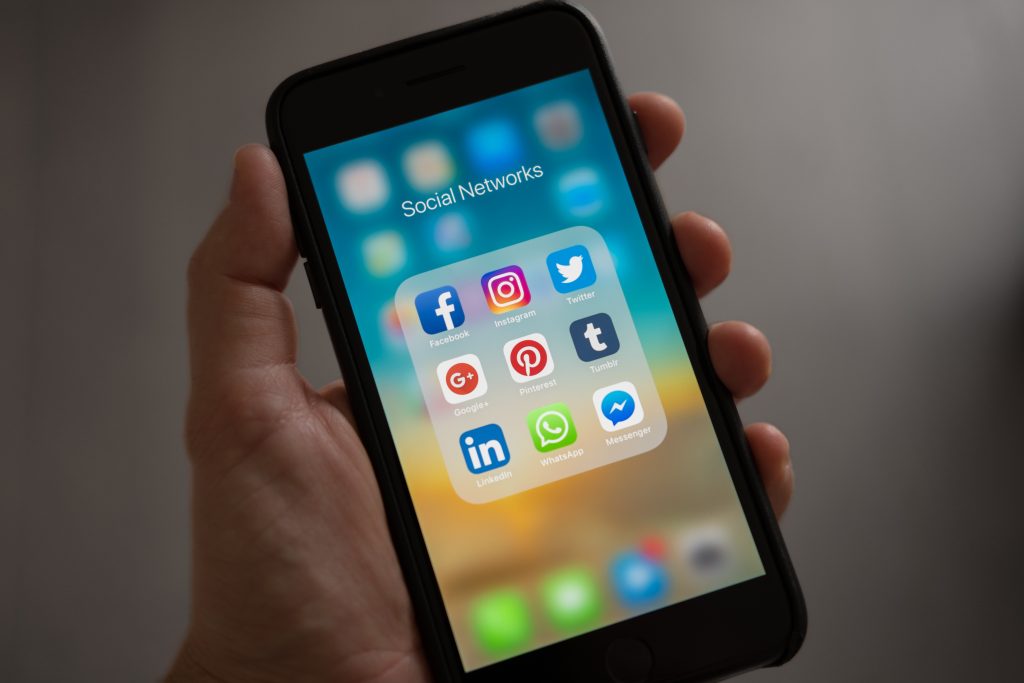
Social Media Usage Sneakily Affects Your MemoryTechnology is great, it’s been a wonderful tool, and it has brought people across the globe closer together. But it isn’t without consequence. Social media, for instance, can also manipulate your memory — and it might be what it’s doing right now while you browse your Facebook feed or Go through a few tweets or Instagram stories. 

Social media has been at the front and center of studying human behavior. Why not when it does a fairly good job of manipulating your memory? In a study conducted by a research team led by Prof. Qi Wang, the conclusion was that posting certain events on their social media accounts helps people remember or recall specific instances. This points to a significant role in selective memory. 

Why Do We Use Social Media in the First Place?

Social and emotional influences play an important role in media consumption and sharing behaviors. While knowing exactly why people post online, for example, is next to impossible, there are general motivations for doing so. These motivations include:

  • Physiological needs – Benefitting the health and wellness of family and loved ones
  • Safety – Mental, physical, and financial security are considerations for when people choose to post material on their social media
  • Self-esteem – Satisfying the parts of the brain connected to its reward system
  • Sense of belonging – Getting love or social acceptance
  • Self-actualization – Sharing news of success and achievement, such as getting promoted or having a new milestone in life

So is social media harmful to the human brain? What’s certain is it affects the brain in unique ways, providing a mix of different stimuli to trigger various reactions. Here are several ways that using social media affects your memory, cognition, and overall brain function. 

Activating the Brain’s Reward System 

Positive attention affects multiple parts of your brain. For instance, amassing Facebook likes activates brain circuits involved in the brain’s reward system, such as the striatum and ventral tegmental areas. The VTA, for example, is responsible for determining the reward system in your body. So when you receive likes and positive feedback, your brain fires off dopamine receptors as partly facilitated by this part of the brain. 

In separate research on the brains of adolescents who browsed Instagram, scientists found that viewing photos with many likes was linked to greater activity in the neural regions involved in reward processing, social cognition, imitation, as well as attention. 

There’s a risk present here, however. Gambling, drug use, and other addictive behaviors rule over your brain’s reward system in a similar way. Social media usage is therefore a parallel that you need to be aware of to avoid the same detrimental effects. 

Affecting Decision-Making and Emotional Processing

Social media stimuli can also affect your brain’s ability to make decisions and process emotions. In another study on adolescent brains, researchers saw that sections of the brain dealing with emotional and sensory processing reacted when the subjects felt excluded. 

This means when social media users perceive that they are excluded from online groups or events, their brain reacts in these regions specifically, highlighting the effects of online social exclusion.

Creating Memory Deficits

Research shows that heavy use of social media is also associated with memory deficits, particularly in your transactive memory. This is involved in deciding what information matters to be stored in your brain along with what can be outsourced. 

Social media is likely altering the memories you keep and you don’t. In a study, the subjects were asked to record an experience via their notes or social media. Another group was asked to experience the event without documenting it. At the end of the trial, the first group performed worse and exhibited a memory deficit, compared to those who didn’t record the details. 

This meant externalizing an experience boded badly for the subjects’ memory since their brain received the message that it didn’t need to hold onto the information stored elsewhere. And while some people lost some memory of the experience, they also had long-term deficits in their brain size and function. 

Scary, right? Not so much, if you make a conscious effort to control your social media habits and keep them moderate. While social media’s negative effects can quite literally shrink your brain and memories, you can prevent that from taking place by establishing healthier patterns and being an advocate of your own cognitive enhancement. 

Keep posted for more news and features on brain enhancement and a thousand and one things that are happening to this wild and wonderful organ.

Is COVID-19 Causing a Cognitive Disorder Epidemic?

Is COVID-19 Causing a Cognitive Disorder Epidemic?Experts warn of an unraveling “cognition crisis” in the COVID-19 pandemic world, warning people of the personal, social, and economic consequences. More than 50% of recovering COVID-19 patients, for instance, experience fatigue as well as brain fog, and there isn’t a shortage of studies raising the alarm on lasting impacts and impairment of executive function, cognitive control, and other brain functions. 

The catch: These coronavirus-induced cognitive deficits may last years and a considerable time beyond the infection. 

Cognitive Issues in the Current Health Crisis 

Mild as well as serious impairments of cognitive skills – such as memory, attention, recall, language, and reasoning – can coexist with disorders such as anxiety and depression, autism, post-traumatic stress disorder (PTSD), dyslexia, bipolar condition, and addition, to name a few. 

An increasingly aging population is likely to exacerbate the problem. By the year 2060, people aged 65 and above are poised to double.

COVID-19 can affect the brain and cognition in diverse ways. Here are some of them:

  • Brain damage from lack of oxygen. In autopsy data from Finnish COVID patients, a major concern is brain damage from oxygen deprivation. Several patients autopsied in fact didn’t show signs of brain injury during their infection, yet everyone had brain damage while they were alive. 
  • Anxiety and depression. These are commonly observed long-term psychological effects of ICU stay, confirmed across studies in the United Kingdom, Finland, and Canada. 
  • Profound cognitive impairment. When tested, this appears to be comparable to moderate traumatic brain injury. This affects memory, attention, and executive function, leading to difficulties in managing finances and everyday routine, comprehending words and writing, and even simply carrying on a conversation with friends and loved ones. 
  • Encephalitis and stroke. Brain damage among patients also potentially leads to encephalitis as well as strokes, with senior patients particularly at risk for the latter. Even young individuals aren’t spared; they are seven times more likely to have strokes from the coronavirus than with the typical flu. 
  • Cognitive issues in cancer patients. Deficits in visual working memory, learning, and sustained attention are commonly seen in cancer patients and those in remission. These cancer and chemotherapy-related effects known as “chemo brain” have been previously observed, the coronavirus can take the cognitive problems further. 

What Can Be Done

Health care experts are quick to warn that cases of these cognitive issues related to COVID-19, while some are subtle, are on the rise. 

One usual conclusion is that coronavirus infection may lead to brain damage, particularly in the elderly aged 70 and above. Sometimes the damage is obvious, while at other times it is mild and shows difficulties with sustaining attention and new learning.

Their risk for other conditions later in life, including Alzheimer’s disease, might also increase. 

Increased and sustained neuropsychological testing, as well as the needed interventions beyond infection period, are some solutions to this exploding problem. On the individual level, smart dietary and lifestyle strategies after a bout of COVID illness are recommended, even including getting a head start in cognitive enhancement via supplementation as deemed crucial and appropriate by one’s health care provider.

Why Therapy for Childhood Trauma Matters

Why Therapy for Childhood Trauma MattersDid you know that by age 16, over two-thirds of children report experiencing at least one traumatic event so far in their life? This is according to the Substance Abuse and Mental Health Services Administration in the United States, and the numbers could even be more significant elsewhere in the world. 

The right therapy is necessary in order to help children and teens find ways to heal and cope with their trauma, whether from family abuse, natural disasters, the death of a loved one, or social or community violence. This is important, as brain wellness in your adulthood can also suffer from unresolved childhood trauma. 

How Trauma Affects the Brain

Areas of the brain that are involved in stress response include the amygdala, hippocampus, as well as prefrontal cortex. Traumatic stress is linked to lasting changes in the said brain areas, as well as with increased cortisol and norepinephrine responses to subsequent sources of stress. 

Maybe you’re wondering: How does a single traumatic event affect the brain? For one, trauma can cause this important organ to remain in a state of hypervigilance. This suppresses your memory and impulse control, keeping you trapped in a constant state of extreme emotional reactivity. 

When it comes to the effects on thinking, initial reactions to trauma can include the following:

  • Exhaustion and fatigue
  • Confusion
  • Anxiety
  • Sadness
  • Agitation
  • Numbness
  • Dissociation 
  • Physical arousal, and 
  • Blunted effects

Most responses are deemed normal as they are mostly self-limited, socially acceptable, and affect most trauma survivors. However, when trauma is worsened and left unaddressed, it can affect the different ways the brain works. 

Take memory, for example: trauma can shut down episodic memory and fragment the sequence of events in one’s mind. The hippocampus creates and recalls episodic memory, and trauma can bar information such as images and sounds from various parts of the brain from combining to form a semantic memory. 

Addressing Childhood Trauma Properly

Childhood trauma comes in varying sizes and forms, including:

  • Physical and sexual abuse
  • Neglect and abandonment 
  • Psychological and emotional abuse
  • Serious accidents or life-threatening sickness
  • Natural disasters
  • Racism behaviors
  • War and the refugee experience
  • Witnessing violence in the family 
  • Loss of family members or guardians 

Trauma affects age groups differently, although there may be similar impacts. Among preschoolers and elementary students, for instance, you may find a traumatized child having separation anxiety, fearfulness, more nightmares, no appetite, or increased aggression. Teens, on the other hand, can be irritable, withdraw from social circles and activities, depressed or having difficulty concentrating, or depressed. They may also engage in increased sexual activity or alcohol or drug use. 

There are varying ways to tackle childhood trauma and help the sufferer. One of these is trauma-focused cognitive behavioral therapy, an evidence-based practice that provides trauma-sensitive interventions with CBT techniques and family support. Here, family members and caregivers have a big role to play in treatment outcomes and success. This therapy usually lasts 12 to 15 sessions.

Play and art therapy can also help in the healing process and assist in better cognition, self-esteem, self-awareness, stress reduction, and emotional resilience. 

Generally, natural interventions like regular exercise and providing a brain-supporting diet are all important to increase the chances of successfully identifying and getting to the core of the trauma.